
✨ Modi’s European Tour and India’s Unraveling Human Rights Record
When the World Asks Questions, Delhi Sends a Diplomat to Dodge Them
There is a particular kind of embarrassment that no press briefing can paper over. It is the kind that travels with a government not in its luggage but in its reputation. Prime Minister Narendra Modi’s May 2026 tour of Europe was meant to project the image of a confident, globally respected statesman. Instead, it offered the world a front row seat to the deepening chasm between India’s self image and its international standing.
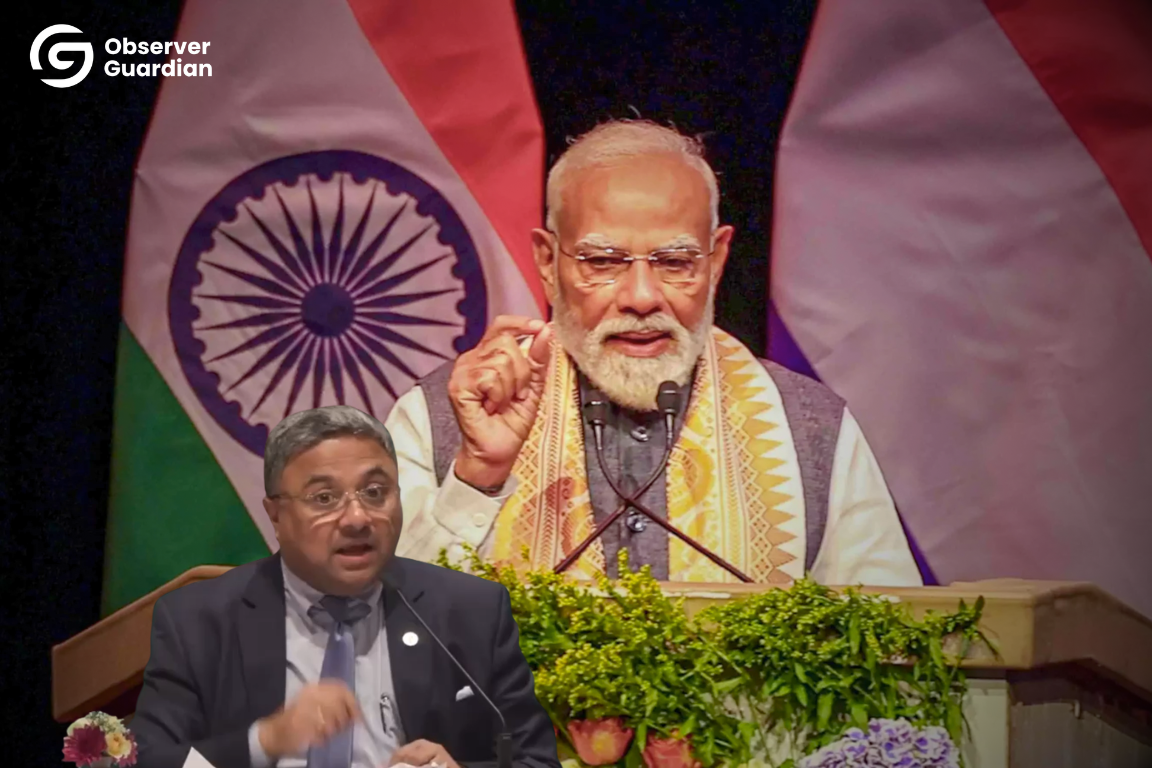
Critics and activists gathered to challenge the substance of Modi’s visit to the Netherlands, as significant protests spotlighting concerns over human rights drew international attention and sparked a wider debate on diplomatic engagement in Europe. The momentum did not stop there. During May 2026 visits to the Netherlands and Norway, the delegation faced direct questioning regarding the persecution of minorities and the collapse of press freedom. From Amsterdam to Oslo, the script was the same: tough questions, evasive answers, and a pattern of deflection that told its own story.
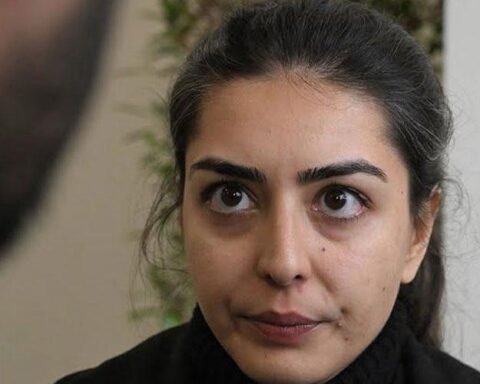
The most viral moment of the tour came not from the prime minister himself but from the diplomat left to face the press in his absence. A tense exchange at an official press briefing in Oslo pushed senior Indian diplomat Sibi George into the spotlight after he strongly defended India’s democratic record and media landscape while responding to repeated questions from a Norwegian journalist on press freedom and human rights. The journalist later noted that she had tried multiple times to get the representatives to be specific on human rights but was unsuccessful receiving responses about India’s efforts during Covid and yoga among other things. What came in the hours that followed was a torrent of online abuse directed at her for her questions.
That in itself is revealing. When a government’s response to legitimate journalism is to dispatch trolls rather than evidence, it signals that the evidence does not exist or worse that the evidence exists in abundance and points the wrong way.
The human rights record that European journalists were pressing about is not a matter of speculation or political hostility. It is a matter of documented, verified, and internationally corroborated fact. India’s National Human Rights Commission registered 113 deaths in police custody, 1,535 deaths in judicial custody, and 132 alleged extrajudicial killings in just the first eight months of 2025 alone. These are not opposition statistics. These are India’s own official numbers.
The situation for religious minorities has been particularly dire. India’s top political leadership led by Prime Minister Modi continued to cast Muslims as infiltrators, criminals, and demographic threats language echoed daily by mainstream media networks. Hindu supremacist elements operated across villages, towns, and cities with widening impunity significantly stepping up violent attacks against Muslims and increasingly Christians.
Following a deadly attack in Jammu and Kashmir, hate speech against Muslims increased with at least 64 incidents reported in the first ten days. Muslims were attacked across multiple states and authorities expelled hundreds of Bengali speaking Muslims from BJP run states to Bangladesh without due process with some Indian citizens among the expelled.
The situation in Kashmir remains a chapter of its own. Human rights abuses in Jammu and Kashmir range from mass killings and enforced disappearances to torture, sexual violence, and political repression. Human rights activists estimate the number of disappeared to be over eight thousand last seen in government detention so many that a new term half widows has been coined for their wives who receive no information about their husbands’ whereabouts. The Armed Forces Special Powers Act remained in effect in Jammu and Kashmir and several northeastern states providing effective immunity from prosecution to security forces even for serious human rights abuses.
In September 2025, over 30 people were detained following unrest at Srinagar’s Hazratbal shrine after worshippers objected to the installation of a national emblem plaque inside the mosque complex. Separately the Jammu and Kashmir administration banned 25 books relating to the region’s history and police subsequently raided bookshops in Srinagar to confiscate copies.
The targeting of Sikhs has added yet another dimension to India’s minority crisis. Canadian authorities have accused Indian agents of involvement in the killing of a Sikh activist in British Columbia and the United States charged an Indian official in a failed plot to kill another Sikh activist in New York. These are not allegations made by adversaries in a vacuum they are allegations made by India’s closest Western allies backed by criminal proceedings in their own courts.
Twelve human rights organizations including Human Rights Watch urged EU commissioners to break their prolonged silence on Modi’s crackdown on human rights and to make it clear that progress on bilateral relations depends on tangible rights progress. That call remains as relevant today as when it was first issued.
What Modi’s European tour demonstrated above all else is that a government can travel the world projecting confidence but it cannot outrun its record.
The Norwegian journalist who asked about human rights was not an adversary of India she was doing what journalists everywhere are supposed to do hold power to account. The trolls sent to silence her, the diplomatic spinning, and the prime minister’s own studied avoidance of a press conference all confirmed the very concerns she was raising.
When a country’s most powerful leaders cannot face a reporter’s questions, the questions answer themselves.
The real diplomatic embarrassment of this European tour was not what was said it was everything that was so carefully so conspicuously left unsaid.
Disclaimer: The views and opinions expressed in this article are exclusively those of the author and do not reflect the official stance, policies, or perspectives of the Platform.