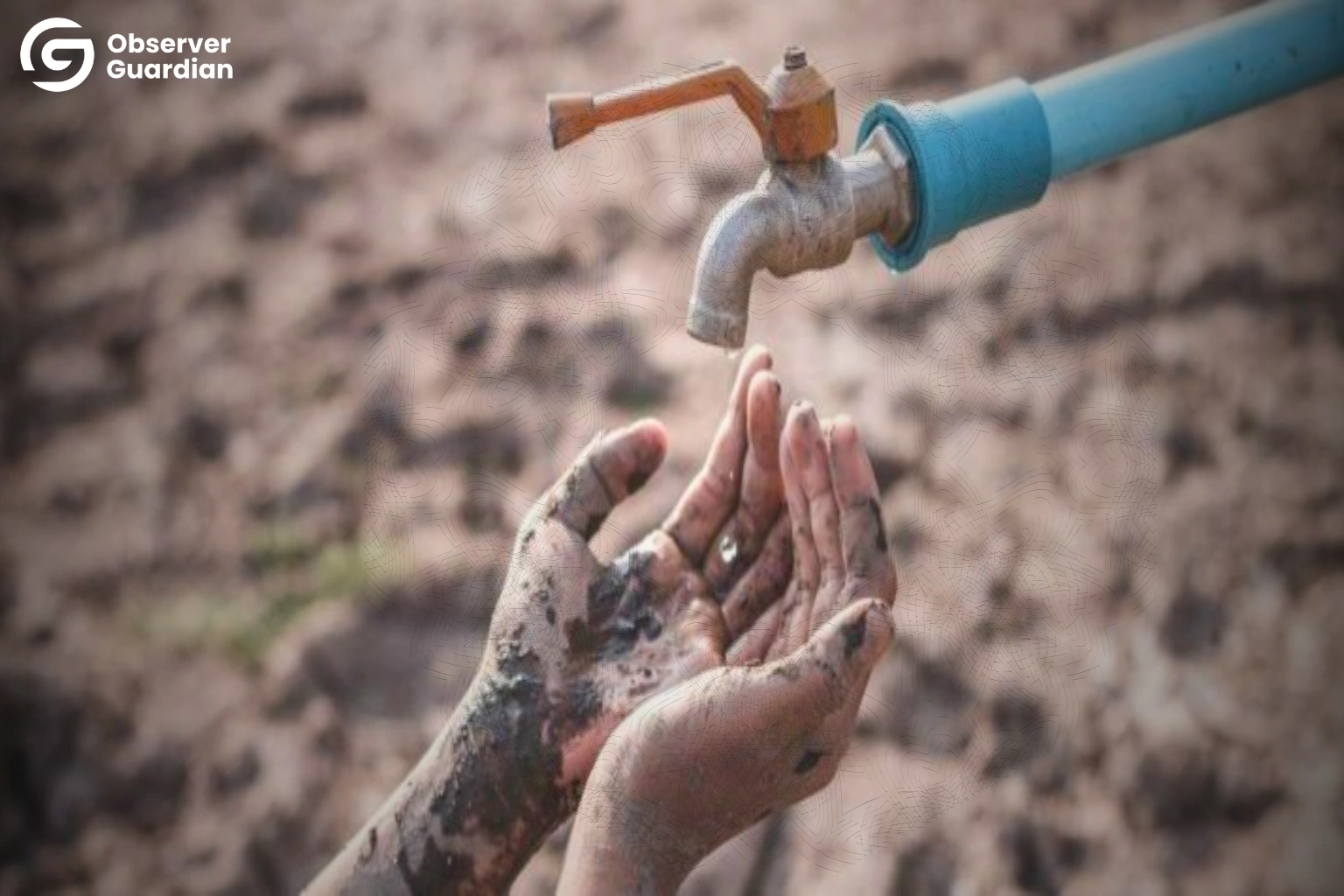

The Pakistani existence has never been independent of the Indus River system. This system supports about 220 million people and 90% of the country’s agriculture, spanning from northern glaciers to the southern delta. That lifeline is however becoming very threatened. Pakistan has been subjected to a chronic water stress due to climate change, population pressure, inefficient water use, and upstream manipulation. The crisis might easily escalate into a complete disaster unless the situation is addressed on good terms.
The Climate and Treaty Challenges
The geography of Pakistan makes it one of the most climate sensitive countries in the world. The glaciers that feed the Indus River are melting at an unprecedented rate, altering river flows and increasing the risk of both droughts and floods. In the meantime, unpredictable monsoons are the new reality which includes the excess and deficit of rain. Besides that, there are top down interventions of water in India like the Indus Waters Treaty (IWT) which have cast the issue of water manipulation. To a lower riparian state such as Pakistan, such cumulative threats could translate to uncertainty on all levels, food security, energy production, and even internal stability.
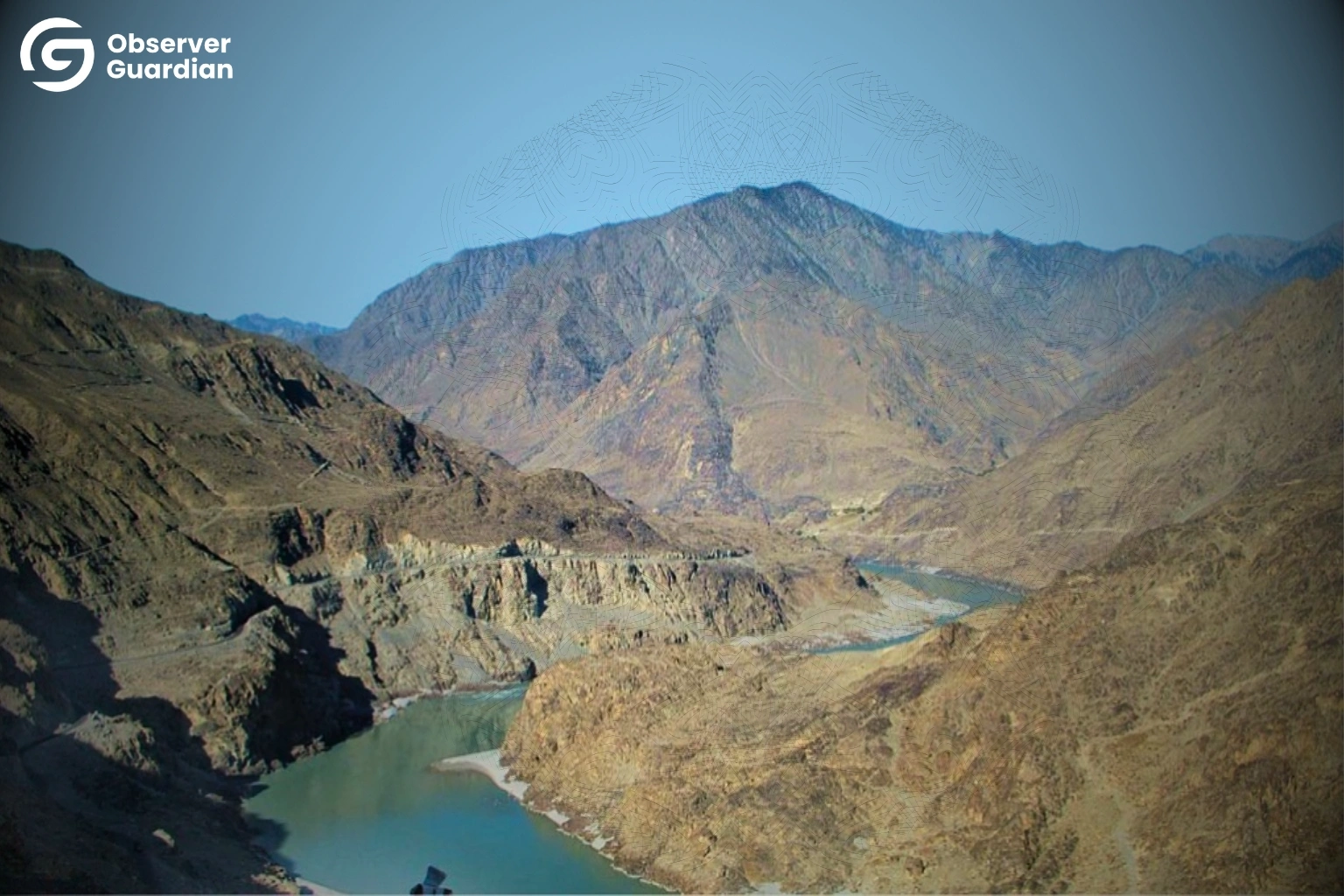
In this way, diplomacy is still one of the key pillars of the water security strategy in Pakistan. Nevertheless, the Indus Waters Treaty, with all its shortcomings, has withstood wars and political crisis.
However, both parties must renew their efforts into transparency and mutual surveillance effectively.
This effective and factual framework of dispute resolution would help avoid the spill overs of tensions. According to several experts, water diplomacy is a way of Pakistan to reach sustainable peace in South Asia.
The Front
Although the external factors are severe, the water mismanagement at the domestic level is also a matter of urgent concern in Pakistan. Modern irrigation methods consume almost 30 percent agricultural water in the country. Unchecked leakages through vast canals, inefficient metering, and unchecked groundwater extraction have transformed efficiency into a national blind spot. The positive aspect is that the solutions already exist.
Drip and sprinkler irrigation systems can significantly reduce water usage while boosting crop yields.
Water courses can be modernized by lining canals to decrease the seepage losses. The groundwater can be managed sustainably by investing in solar powered pumping systems. These are not far-off fancies, but they are proven technologies that require the scale and policy backing as well.
Development of Storage and Resiliency
The per capita storage capacity of water in Pakistan is horrendously low in comparison with those of the region. Increased reservoir capacity is necessary not only to serve agricultural purposes but also to accommodate climate changes, harbor monsoon runoff, floodwaters, and to act as buffers during dry years. Such efforts as Diamer Bhasa or Mohmand dams are the right way to go, but their advantage will be achieved fully only with appropriate watershed management and resettlement planning.
Simultaneously, intelligent hydrological monitoring and the use of AI to predict things can lead to more sensible actions. It is possible to predict the occurrence of a drought or a flood, and act in time to allocate resources in a more efficient manner. The transparency of data, long lacking in water bureaucracy of Pakistan, should be a rule, not an exception.
Empowering Communities
No national policy can succeed without local participation. Rural communities, especially farmers, are the primary managers of water. Encouraging water saving practices through pricing reforms, community based monitoring, and awareness campaigns can bring lasting change. Conservation education should be promoted in schools, mosques, and local councils. Every drop saved contributes to national resilience.
Outlook
So, the solution to the water future of Pakistan lies not in dams or treaties, but in governance, coordination, and mindset. Water security is economic security, it supports health, food, energy, and peace. A combination of technology, cooperation, and accountability should enable Pakistan to transform the water scarcity into an opportunity to change. The way forward is equilibrium between growth and ecology, national and regional interests, current and future generations. Pakistan’s future depends on effective water management and regional cooperation. Thus, securing water today means securing Pakistan’s tomorrow.
⚠ Disclaimer
The views and opinions expressed in this article are exclusively those of the author and do not reflect the official stance, policies, or perspectives of the Platform.