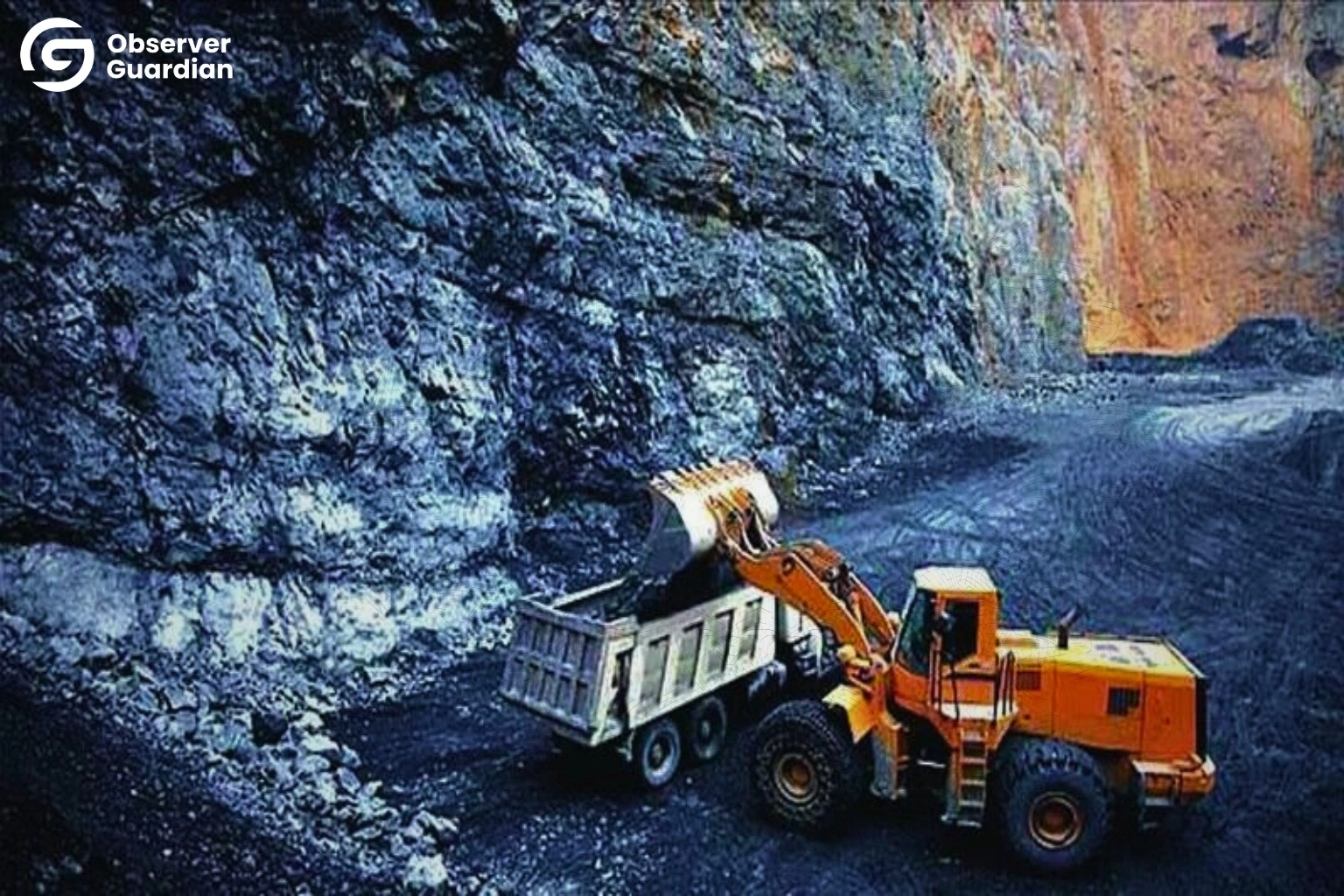

Pakistan has started to attract momentum in the world minerals market. Its vast reserves of copper, lithium, rare earth metals, and other strategic minerals are capturing the interest of world powers. These powers seek to maintain stable and diversified supply chains. The recent visit by the US Critical Minerals Forum leadership and meeting with the country’s Finance Minister Senator Muhammad Aurangzeb reflects this new realization of the potential of Pakistan. It also includes their evolving role as a strategic balancer in the global economic partnership.
Pakistan’s mineral wealth is reshaping its image from a struggling economy to a key player in the global resource race.
Similarly, the recent visit of Robert Louis Strayer II, President of the US Critical Minerals Forum and US Charge d’Affairs Natalie Baker was not just a diplomatic visit. It was basically an indicative of a paradigm shift in perception outside of the borders of the United States. For years, Pakistan’s economy has suffered from debt problems and political insecurity. However, Washington and other major powers increasingly view Pakistan as a nation ready to play a constructive role in the critical minerals supply chain. This growing recognition highlights Pakistan’s potential contribution at the international level.
With ties to both Washington and Beijing, Pakistan now holds a rare diplomatic position to balance competing global interests.
Moreover, Pakistan’s finance sector has been heavily occupied during the last year, as it focused on fiscal discipline, revenue expansion, and improving the business environment. As a result, this initiative along with greater transparency in government communication, has begun to restore global trust. Furthermore, renewed demands for accountability through formal digital channels have strengthened this positive momentum. However, the mineral sector is a tangible path forward towards sustainable development and economic diversification.
Equilibrium of Diplomatic Strategy
Pakistan has the capacity to play a unique role, as it can act between the competing global powers. Pakistan’s long standing partnership with China has been realized through the CPEC, that has already brought infrastructure and energy projects with massive potential to the country. At the same time, renewed engagement with the United States and Western institutions suggest that Pakistan is following a multifaceted foreign policy. This policy aims to partner with as many actors as possible rather than be dependent on any one camp.
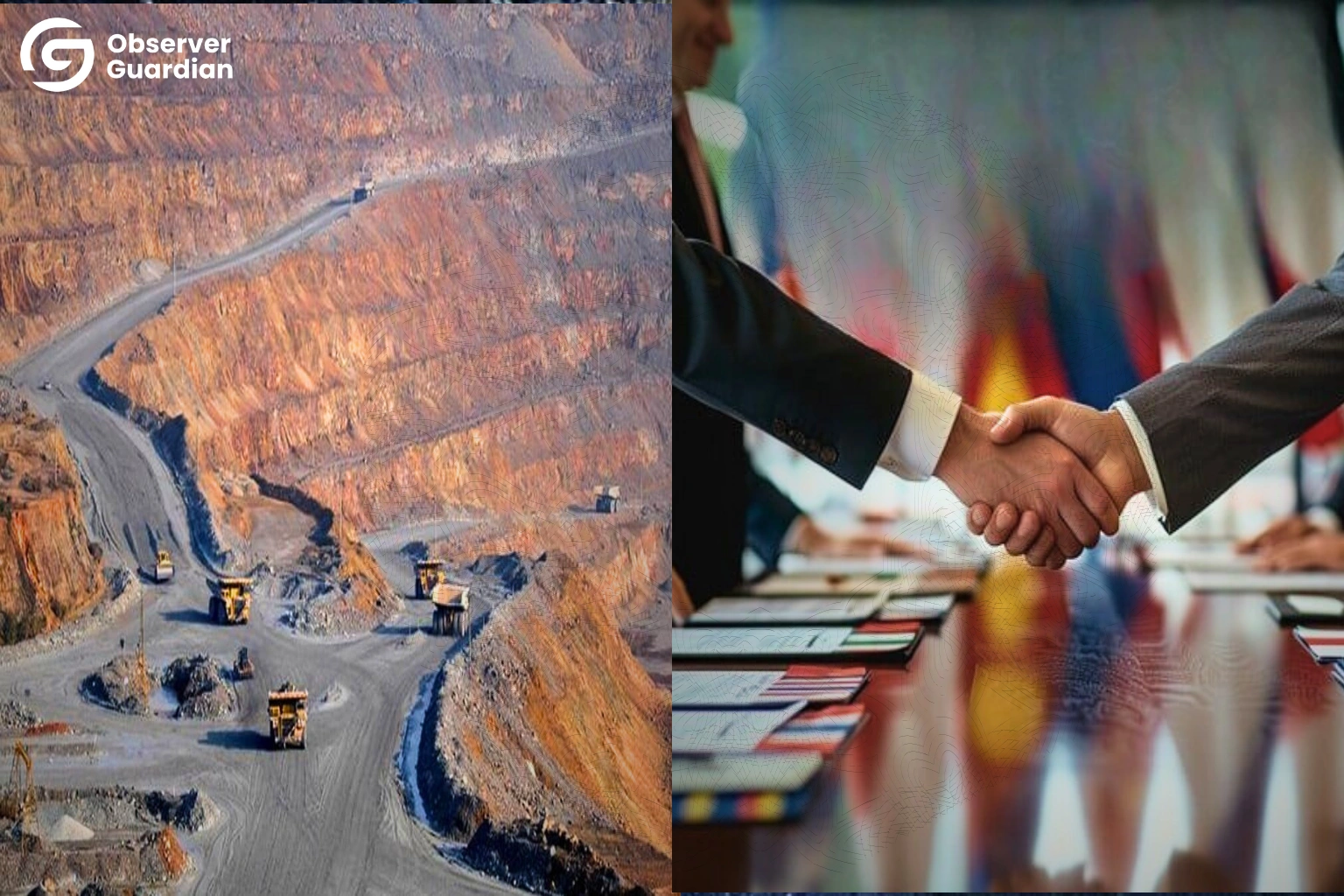
This diplomatic feat is not just a skill, but it is a strategic necessity. Pakistan can position itself as a possible intermediary of regional economic development. However, the world is transformed by emerging technologies which are dependent on strategic minerals, whilst maintaining its relations with Washington and Beijing. Amid the US and China competition for acquiring resources, Pakistan stands to gain a neutral platform for collaboration, research, and responsible mining opportunities too.
Economic and Policy Reforms
The economic adjustment measures carried out in recent years have focused on broadening the tax base, improving energy prices, and reducing fiscal deficits. It also includes the measures that have been advocated by international lenders and investors for years. Besides fiscal consolidation, Pakistan has undertaken steps on the basis of the revival of mining and environmental regulations, internationally. These legislative changes not only attract responsible investors but also send out a signal to the world that Pakistan is going to extract and export its resources in a sustainable way.
In addition, this transparency is largely facilitated by the communication of government which is transparent and data driven. By sharing updates on reforms, developments, and investments through social media, Pakistan enhances its credibility. Moreover, this openness invites public and international scrutiny, an essential factor in building investor confidence.
Opportunities for Growth
The introduction of foreign players in the minerals sector of Pakistan can be a blessing in disguise in various ways. The technologies from developed economies would lead to modernization of the mining processes, cleaner extraction, and build local capacity. The manufacturing of downstream industries (mineral processing and production) can generate high value jobs and decrease the need to export raw materials. So, the minerals sector offers a clean opportunity to a country that needs strengthening its balance of payments. Apart from the flow of foreign exchange, a rise in the exports of processed material would stabilize the external accounts. Moreover, Pakistan’s strategic location at the crossroads of South Asia, Central Asia, and the Middle East offers vast potential for new trade corridors. Therefore, these routes would boost regional flows of goods and services, further enhancing Pakistan’s importance as a logistics and economic hub.
The Strategic Balancer
Pakistan’s gradual ascent to the status of a strategic balancer in the global mineral and economic cooperation depends on the capacity of the country. This capacity successfully executes its reform process while being diplomatic in its dealings. It questions how to play great power competition without being a proxy or a pawn? Instead, Pakistan can establish itself as a credible and reliable partner based on mutual benefit, transparency, and sustainability.
By developing economic diversification in future, moving beyond textiles and agriculture to minerals, Pakistan is taking the first steps on the path to long term stability. The international focus that has been generated by the recent US engagement is no symbolic gesture. However, it is an indication that the narrative of Pakistan is evolving from crisis management to opportunity creation. Therefore, the way forward will be characterized by regular governance, credible regulation, and continued openness. If these factors come into play, Pakistan could become a major developing nation in the global mineral supply chain. Thus, this progress would also strengthen its economic cooperation with the other countries.
⚠ Disclaimer
The views and opinions expressed in this article are exclusively those of the author and do not reflect the official stance, policies, or perspectives of the Platform.