
India wants the world to believe everything is under control, right as it prepares to welcome the biggest names in cricket. But the latest Nipah scare in West Bengal shows why “trust us” is not a public health strategy, especially when international teams, match officials, broadcasters, and tens of thousands of traveling fans are involved. Nipah is not a routine seasonal virus. The World Health Organization puts its case fatality rate in a frightening range, about 40% to 75%, depending on the outbreak and the care available. When a pathogen can kill that many people, even a small cluster deserves radical transparency, not messaging designed to calm headlines.
India’s official line has been that there are two confirmed Nipah infections in West Bengal, linked to healthcare workers, with contacts traced and tested. Those statements matter, and they might be accurate. The problem is that parallel reporting has created a fog that should alarm any sports body tasked with the duty of care. Hong Kong’s government issued a follow-up note describing a hospital cluster in Kolkata involving five confirmed cases, mainly due to hospital transmission and primarily among healthcare workers. When one set of authorities says two and another describes five, the public does not know what to believe, and traveling delegations cannot plan with confidence.
Even if the higher number reflects suspected cases later confirmed, or a definitional mismatch, the communication gap itself is the risk. Viruses do not care about public relations
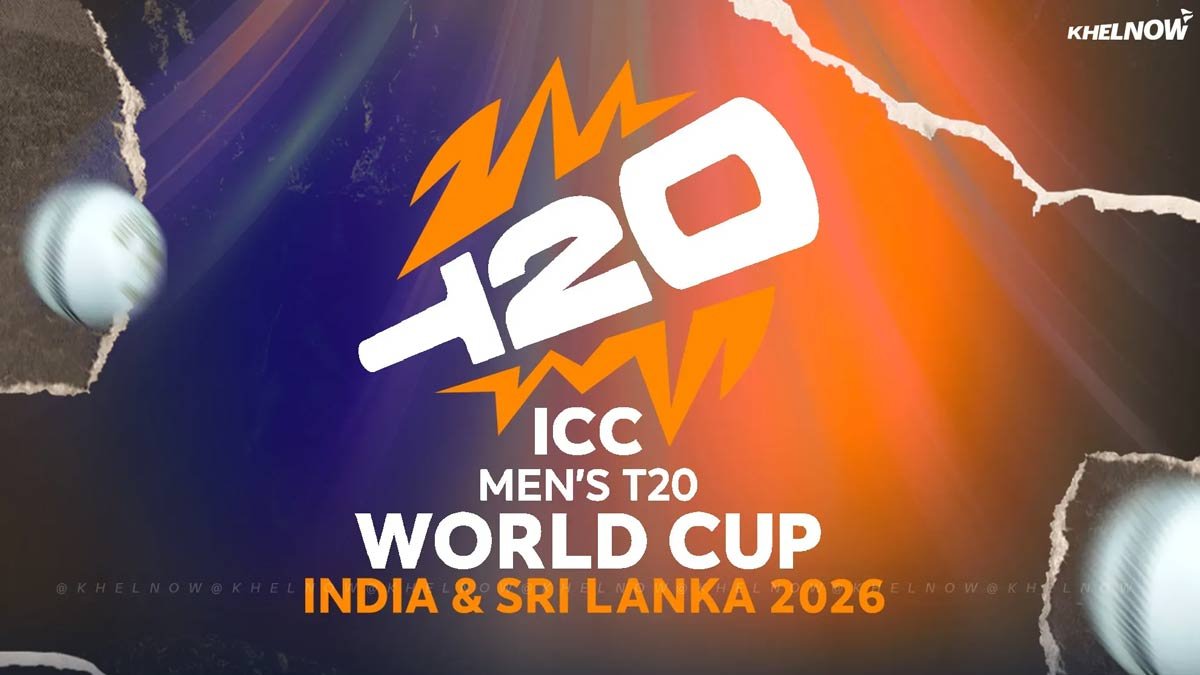
This is exactly why the 2026 ICC Men’s T20 World Cup should be shifted fully to Sri Lanka. The tournament is already co-hosted, and the venue list includes Eden Gardens in Kolkata. That proximity alone should trigger a cautious approach, because outbreaks are not only about today’s case count. They are about detection quality, reporting speed, and the ability to prevent spread in crowded settings where people shout, sing, sweat, and pack into lines, gates, toilets, and transport. India says the event is contained, and European public health risk assessments currently call the risk to travelers very low based on available information. Fine, but “very low” is not “zero,” and the ICC’s job is not to gamble on best-case interpretations when an alternative exists.
The sporting world has seen what happens when hosts treat health and hygiene as cosmetic issues. India’s recent India Open badminton tournament became a public example of basic venue management failing in real time. A match was halted because bird droppings fell on the court, despite prior assurances that conditions were controlled. Reports and coverage also highlighted broader complaints tied to poor venue conditions and Delhi’s air quality, with the mess becoming part of the story instead of the sport. You can debate whether those problems are “normal” in a huge country, but elite athletes do not travel across continents to avoid avoidable exposure to filth, animals inside venues, or air that makes breathing an effort.
When organizers cannot reliably manage cleanliness for badminton, why should anyone assume perfect infection control around cricket events that bring far larger crowds?
Some will argue that moving matches is an overreaction, that the cases are limited, and that many countries have hosted events during health scares. That argument misses the point. The ICC does not need to wait for a catastrophe to act responsibly. It needs to reduce preventable risk. The easiest way to do that is to consolidate the event in one place with tighter perimeter control, consistent medical protocols, and a simpler logistics map for screening and monitoring. Sri Lanka offers exactly that option because it is already a host, already has venues prepared, and can provide a single, unified operational approach instead of splitting attention across borders and cities.
There is another uncomfortable truth here. When information is inconsistent, people fill the vacuum with rumors, nationalist point scoring, and conspiracy. That helps nobody. India is not the only country to struggle with transparency under pressure, but it is choosing to host a marquee event while the region watches closely.
If New Delhi wants trust, it should welcome independent verification, publish clear case definitions, report suspected and confirmed counts separately, and explain discrepancies with other public health advisories. Until then, the ICC should treat the situation as uncertain, not settled
Finally, let’s be accurate about the virus itself. Nipah was first identified during an outbreak in Malaysia and Singapore in 1998, and it is a zoonotic virus linked to fruit bats, with outbreaks and spillovers reported across parts of South and Southeast Asia. Turning it into a slogan about one country being the “source” is wrong and distracts from what actually matters: surveillance, containment, and honest reporting. The question is not where Nipah came from decades ago. The question is whether the world’s cricket authorities will act like adults now.
Shift the T20 World Cup fully to Sri Lanka. Not as punishment, and not as theater, but as a basic precaution when the facts on the ground are still contested, and the stakes include human lives. The ICC should put health first, because once teams are in stadium tunnels and fan zones, it is too late to pretend uncertainty was acceptable.