
Pakistan is situated in a challenging neighborhood, and the region is currently engulfed in flames at multiple locations. The broader Middle East is ensnared in a cycle of escalation that has the potential to rapidly escalate, while Afghanistan remains unstable, and Iran is under pressure. Prime Minister Shehbaz Sharif’s decision to summon all parliamentary leaders to the Prime Minister’s House for a comprehensive briefing is entirely logical in this context. Perfect unity is not necessary for a nation to endure; however, it is necessary for a minimum level of shared comprehension regarding foreign policy and security. You brief, you listen, you argue if necessary, and you depart the room with a clear understanding of the state’s position and the risks.
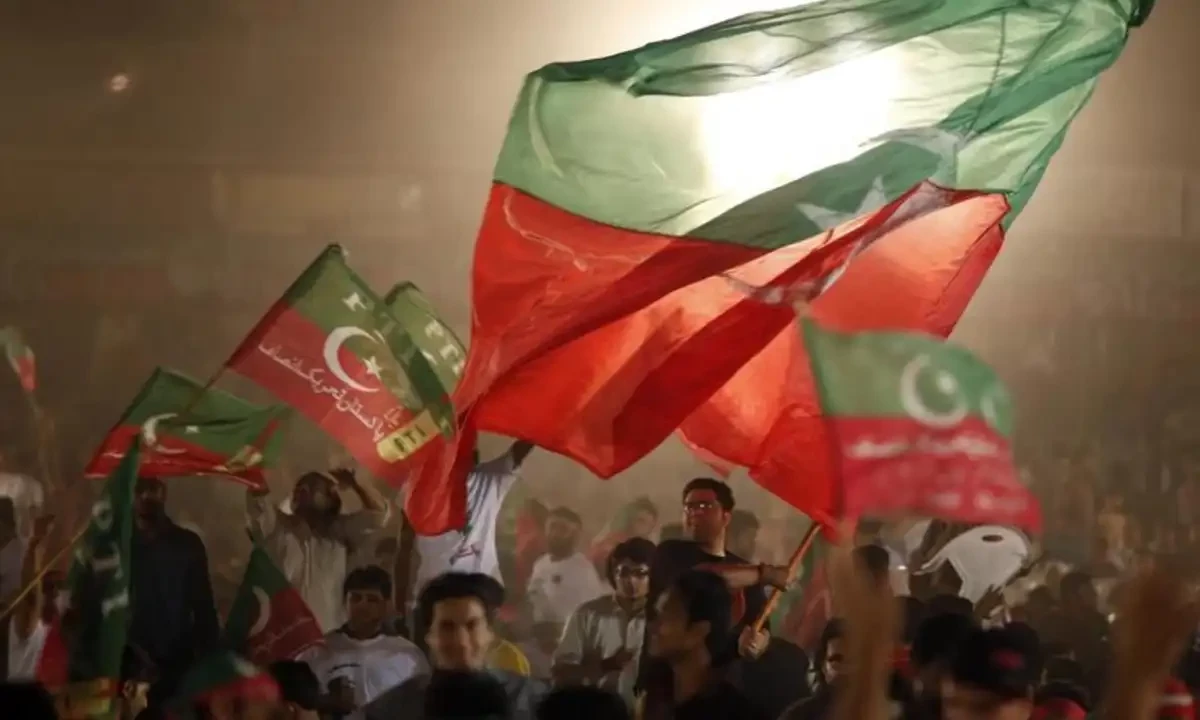
This is the reason why the Pakistan Tehreek e Insaf’s decision to remain absent once more appears to be obstinate politics disguised as principle. PTI is entitled to express its opposition to the government. It has the capacity to demand accountability, query motives, and oppose policies. That is the purpose of opposition. However, the message that is conveyed by failing to attend when the topic of discussion is regional security is not favorable. It conveys to the public that political posture is more significant than a national conversation.
Pakistan’s internal divisions are so profound that even briefings on external threats are unable to unite the main parties. This serves as a message to both allies and rivals
PTI frequently asserts that it engages in a struggle for the rule of law and against what it perceives as injustice. Numerous Pakistanis, including those who do not vote for the Pakistan People’s Party (PPI), comprehend the frustration associated with selective accountability and corrupt institutions. However, a boycott is not an effective strategy for a nation that is confronted with genuine threats. It is a headline-generating strategy. The state does not operate on press conferences and slogans when missiles are launched, and borders are heated. It functions on the basis of information, coordination, and difficult decisions. If PTI is of the opinion that the government is mismanaging Iran, Afghanistan, or the Middle East, the most effective way to present this argument is in a national forum, in front of other leaders, on record, and with specifics.
The unfortunate aspect is that this film has already been viewed in Pakistan. Special meetings and committees were convened on matters such as Palestine and Kashmir during Imran Khan’s tenure as prime minister. Those forums were witnessed by Shehbaz Sharif, who was the opposition leader at the time. He did not concur with Imran Khan on numerous matters; however, he attended because certain subjects were elevated above the daily rivalry. However, there were instances in which Imran Khan, despite his status as the current prime minister, failed to regard such forums with the appropriate level of seriousness.
This history is significant because it reveals a pattern in the political culture of PTI: a conviction that national platforms are only beneficial when they align with PTI’s narrative, and they are meaningless when they do not
This method transforms national interest into a prop. One day, Kashmir is invoked as evidence of patriotism. The dialogue is disregarded as a ruse the following day. When it comes to sustained diplomatic work, coalition building, and parliamentary consensus, the vitality of PTI’s impassioned speeches on Palestine diminishes. Now that Iran and Afghanistan are the primary focus, the same behavior is repeated. The subsequent refusal to participate in the tedious aspects of politics, such as the meetings, briefings, and exchanges where facts confront slogans, is accompanied by strong statements and pointed criticism.
The extent of the harm that a lack of dialogue can inflict is often overlooked. Afghanistan is not merely a news item. It impacts internal security, refugees, militancy, trade routes, and border management. Iran is not merely a neighbor; it is a critical component of a region in which each action has repercussions. Pakistan’s relations with Gulf partners, energy prices, and remittances are all impacted by the tension in the Middle East. A briefing is not a favor to the government in such a context. It is a responsibility owed to the state. Despite your belief that the prime minister is exploiting the occasion for political gain, you continue to attend, pose challenging inquiries, and identify areas of weakness through the use of facts.
Boycotting accomplishes none of these objectives. It merely generates commotion and deprives your own party of information
PTI supporters may contend that their attendance lends legitimacy to a government they oppose. However, a photograph does not confer legitimacy in a democracy. It is derived from the constitution, tribunals, and elections. Even when they harbor animosity toward the governing party, opposition parties are permitted to participate in parliament. Despite their conviction that the system is unjust, they are compelled to take covenants. Engagement is not the same as surrender. Engagement is the method by which you safeguard the interests of your constituents. Staying away is not resistance; it is neglect if PTI believes that Pakistan is at peril.
Additionally, PTI’s decisions are influenced by a personal specter that is evident to all. The party’s politics frequently center on a single figure, a single grievance, and a single demand. This renders every national issue appear to be a secondary issue unless it can be connected to the central narrative. It is difficult to avoid the conclusion that PTI is prioritizing personal and party interests over national interests, as its actions continue to validate this assertion. Pakistan is informed that its politics are founded on refusal rather than accountability when the state requests a shared briefing, and PTI responds with silence.
Pakistan does not require fabricated harmony. It necessitates mature disagreement. It requires leaders who are capable of engaging in passionate debates in public while simultaneously remaining in the same room during times of tension at the border. PTI has the ability to maintain its principles while still functioning as a national party. Arrive, inquire about the briefing, request clarification, propose alternatives, and document your disagreement. If you are of the opinion that the government is in error, you must demonstrate it through knowledge, not by its absence. A country cannot be guided through a hazardous region by stubborn politics, despite the fact that it may stimulate a base.