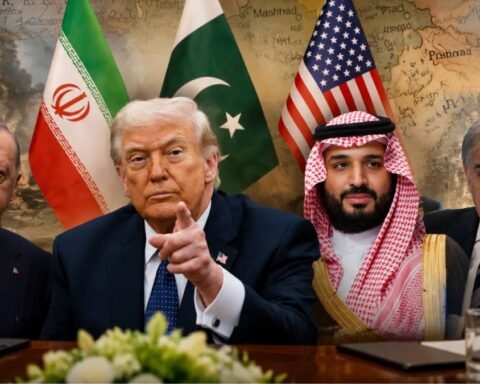

The recent ceasefire announcement and its immediate implementation have been widely viewed as an important diplomatic development for Pakistan. In a region where tensions can rise quickly and where mistrust often shapes public debate, any move that lowers the temperature carries weight well beyond the immediate moment. From Pakistan’s perspective, the significance lies not only in the announcement itself but also in the speed with which it was translated into action. In diplomacy, declarations matter, but implementation matters more. That is why this development is being discussed as a meaningful achievement rather than merely a symbolic gesture.
What makes the moment notable is the impression that Pakistan was not a passive observer but an active participant in shaping the environment that made the ceasefire possible. The country’s mediation role is being acknowledged in many circles as a sign that Islamabad is increasingly capable of engaging beyond the narrow framework in which it has often been viewed by outsiders. For years, many in Pakistan have argued that the country has the geography, the political experience, and the strategic relationships to play a constructive role at the international level.
This ceasefire has revived that argument in a more credible way, because it links Pakistan’s diplomacy to an outcome that produced immediate and visible effects
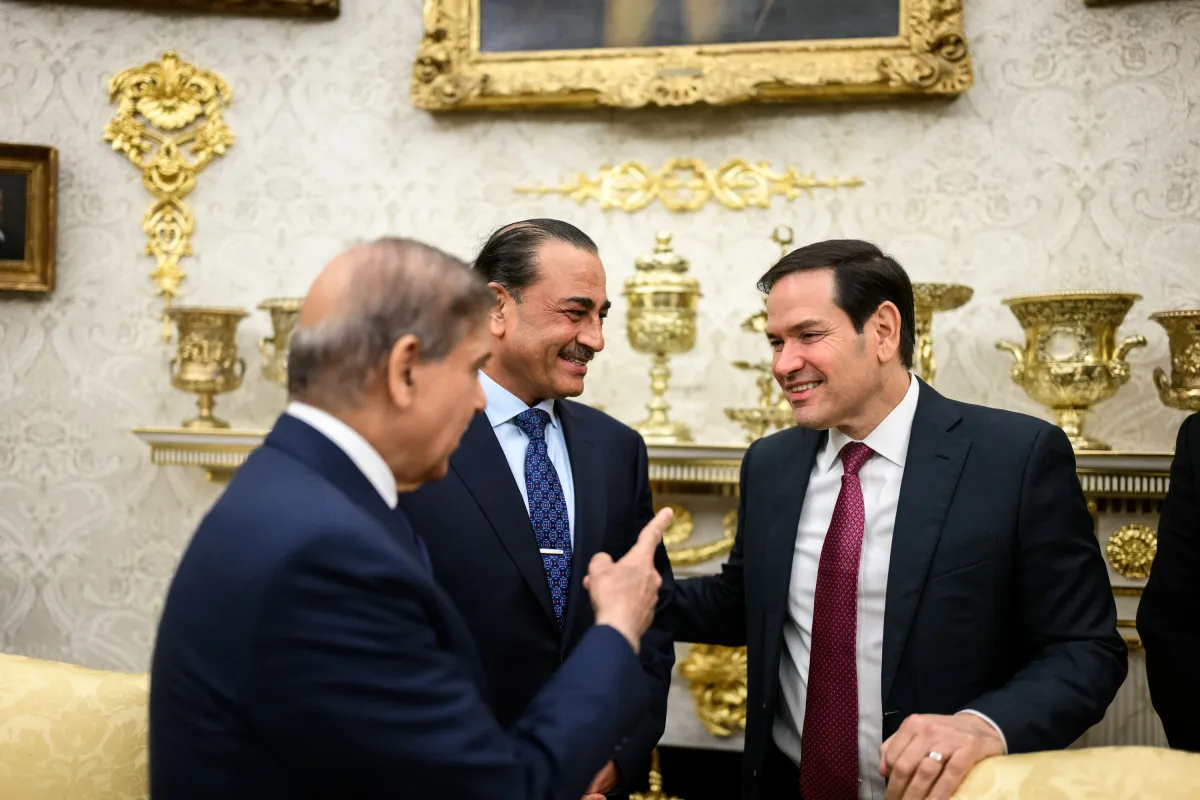
The civilian and institutional leadership appear to have worked in parallel throughout the process. Prime Minister Shehbaz Sharif remained engaged at the political level, while Pakistan’s diplomatic machinery maintained external contact and messaging. At the same time, Field Marshal Syed Asim Munir is seen by supporters as having played an important role through security-linked communication and strategic coordination. The Ministry of Foreign Affairs also appears to have remained fully active, helping to convert high-level outreach into an organized diplomatic effort. In complex moments such as these, success usually does not come from a single statement or one meeting. It comes from sustained contact, consistent signaling, and the ability of multiple arms of the state to operate with a common objective.
The role attributed to the Deputy Prime Minister is also important in understanding the broader picture. Diplomatic success rarely comes from one capital alone. It often depends on travel, negotiations, reassurance, and repeated conversations with different governments that have influence over the direction of events. When senior representatives visit multiple countries and remain in touch with counterparts, they help create political space for de-escalation. That does not guarantee success, but it increases the chances of a breakthrough.
In that sense, the current moment is being interpreted by many observers in Pakistan as evidence that active engagement, rather than reactive diplomacy, can yield results
There is also a wider symbolic dimension to this development. In Pakistan, older generations have long expressed the belief that the country would one day play a more visible and respected role in international affairs. That belief has often sounded aspirational, especially during periods when Pakistan was defined more by internal crises or external pressure than by diplomatic initiative. The present moment, at least for its supporters, feels like a partial fulfillment of that older expectation. Whether one sees it as the beginning of a long-term shift or simply as a successful episode, it has created a sense that Pakistan can still shape outcomes when it acts with focus and coordination.
Another reason the ceasefire has drawn attention is its connection to global economic sentiment. Whenever a geopolitical flashpoint cools down, markets tend to respond positively because investors prefer predictability over escalation. A visible improvement in the tone of world markets following diplomatic progress reinforces the idea that such efforts have consequences beyond political headlines. Stability lowers perceived risk, and lower risk often translates into improved investor confidence, calmer commodity expectations, and a better overall market mood.
It would be an oversimplification to say that one diplomatic development alone determines global market direction, but it is entirely reasonable to say that de-escalation contributes to a more positive financial atmosphere
That connection matters for Pakistan as well. Diplomacy is not only about prestige or protocol; it is also about creating a more stable external environment in which economic priorities can be pursued with greater confidence. When Pakistan is seen as part of the solution rather than part of the problem, its international standing improves. That can affect how foreign governments, investors, and multilateral institutions interpret the country’s role. A successful mediation effort, or even a widely appreciated diplomatic contribution, can strengthen Pakistan’s case that it deserves to be treated as a serious regional stakeholder.
At the same time, the real test lies ahead. Diplomatic moments become milestones only when they are followed by consistency. If Pakistan wants this episode to be remembered as more than a short-lived success, it will need to build on the credibility created by the ceasefire. That means sustaining diplomatic engagement, maintaining contact with key partners, and showing that this was not an isolated burst of activity but part of a broader strategic outlook.
International recognition is rarely permanent; it has to be reinforced through continued performance
Even so, it is understandable why many in Pakistan are treating the ceasefire announcement and its immediate implementation as a moment of national significance. It combines diplomatic visibility, coordinated leadership, and a tangible outcome that was felt quickly. Supporters see in it a demonstration of state capacity, strategic seriousness, and international relevance. Skeptics may still debate the scale of Pakistan’s role, but few would deny that the episode has strengthened the argument that the country can contribute meaningfully to important global questions. For a nation long told that its influence would eventually extend beyond its borders in a constructive way, this moment has the feel of arrival. If it is managed wisely, it could mark not just a diplomatic success, but the beginning of a more confident phase in Pakistan’s international engagement.