
The Rubio Moment: When Washington Accidentally Wrote Pakistan’s Foreign Policy Victory
An Indian journalist pushed. Rubio pivoted. And the world noticed.
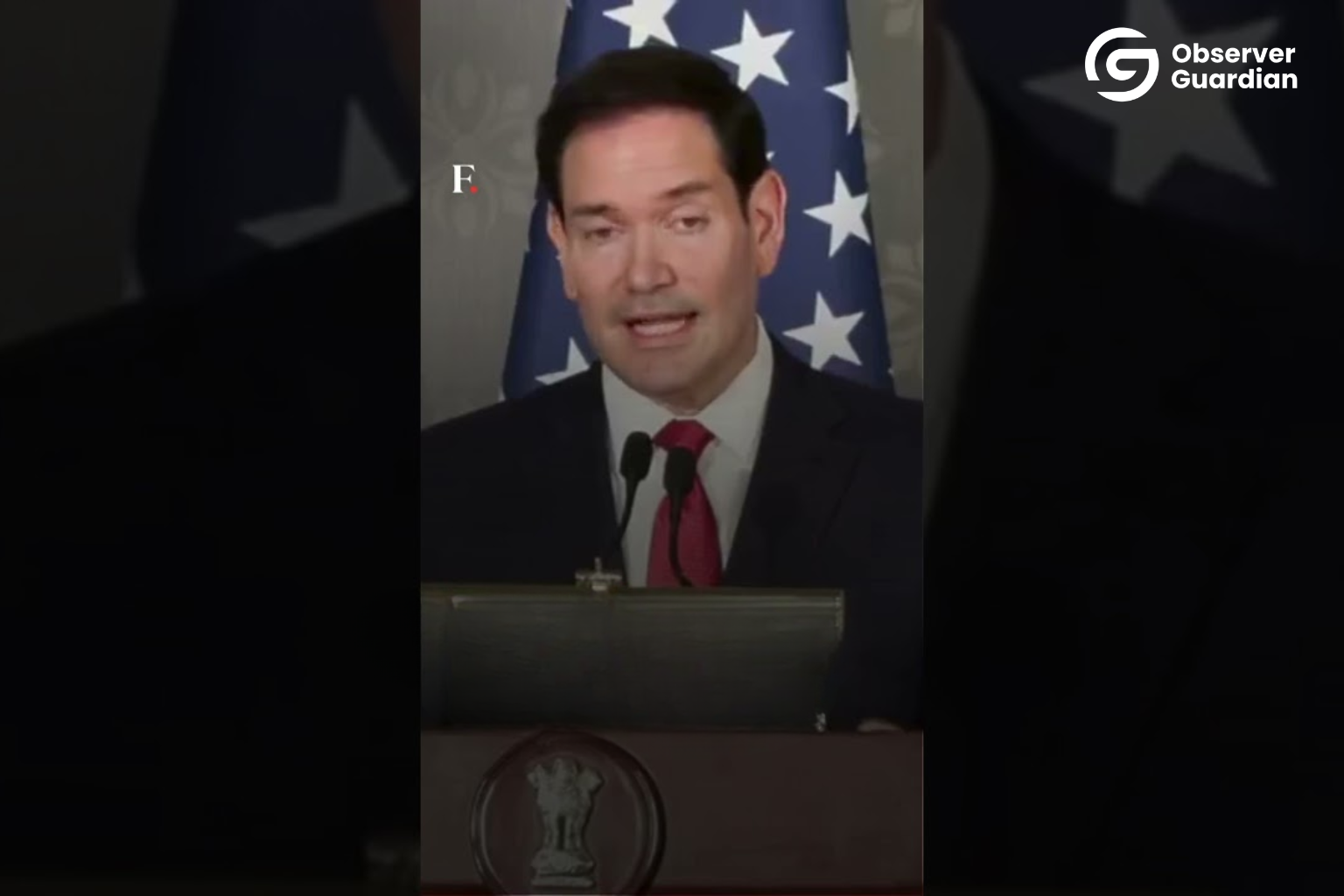
On May 25, 2026, a moment unfolded at an airbase press briefing in New Delhi that cut through weeks of diplomatic choreography and exposed a truth that no amount of spin can fully contain. US Secretary of State Marco Rubio, wrapping up his state visit to India, was pressed by Indian journalists on Pakistan, on terrorism, on allegations involving military links to instability, and on whether Washington engagement with Islamabad was hurting New Delhi.
The answers Rubio gave were not what India media was expecting.
An Indian journalist at the joint press availability asked Rubio how the US would reassure India that renewed engagement with Pakistan military leadership amid concerns in the region about links to terrorism and regional instability was not at India expense. It was a loaded question designed to corner the Secretary into condemning Pakistan.
Instead, what followed was a diplomatic turning point.
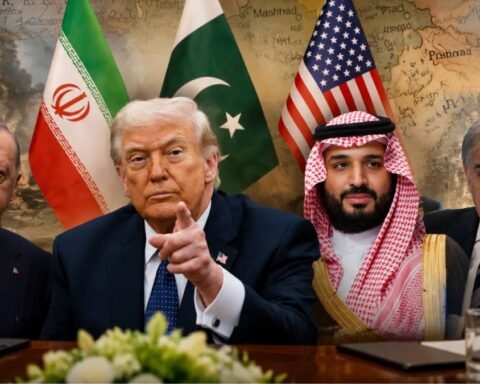
Rubio told reporters that India is always pointing to the fact that there are armed terrorist groups operating from Pakistani territory that target India. He added that India concerns are different in nature from Pakistan role in regional diplomacy. He also highlighted Pakistan involvement as a mediator and facilitator in the Iran situation, suggesting that these were separate geopolitical issues that should not be merged into a single narrative.
In three words, always, different, and issue, Rubio separated India security concerns from Pakistan broader diplomatic positioning in global affairs. India concerns were framed as bilateral and long standing, while Pakistan role in regional diplomacy was presented as multilateral and current.
The Indian Journalist Gambit and Its Outcome
In a separate interview with India Today, journalist Rohit Sharma referred to a January 2026 OSAC State Department report mentioning an increase in terrorism activity in Pakistan and asked when the US would review its approach.
Rubio responded in general terms, saying the United States seeks to address terrorism wherever it exists and wherever armed groups threaten civilian populations. He did not single out Pakistan and did not adopt the framing of the question. The response remained broad and consistent with standard US policy language.
This meant the attempt to frame Pakistan as a uniquely targeted state in the briefing did not produce the intended diplomatic result.
What Pakistan Has Been Doing
In recent years, Pakistan has been active in regional diplomatic engagement, including participation in multilateral discussions involving Iran and the United States. The Islamabad Talks held in April 2026 brought together regional and international stakeholders in an effort to encourage dialogue and reduce tensions.
Reports and commentary from international policy circles including think tanks and media institutions such as the Council on Foreign Relations and Al Jazeera have described Pakistan as playing a facilitative role in certain diplomatic engagements involving regional de escalation efforts.
Iranian officials have also acknowledged engagement with Pakistani leadership during these discussions, expressing appreciation for diplomatic efforts aimed at stability and dialogue in the region.
The Verdict From Washington
The Rubio exchange reflected broader realities of contemporary diplomacy. United States relations in South Asia involve multiple layers, where strategic partnerships and regional communication channels coexist.
When Rubio addressed Pakistan role in regional diplomacy while reaffirming US ties with India, it underscored that Washington engages with multiple states simultaneously based on evolving geopolitical needs.
Pakistan visibility in such discussions indicates its continued relevance in regional diplomacy and crisis mediation efforts.
Countries that do not play a role in regional dynamics are not typically referenced in high level diplomatic exchanges. The fact that Pakistan was part of the conversation reflects its ongoing engagement in regional and international matters.
Rubio comments illustrated how the United States views its relationships in layered terms, with different partnerships serving different strategic purposes in different contexts.
Disclaimer: The views and opinions expressed in this article are exclusively those of the author and do not reflect the official stance, policies, or perspectives of the Platform.