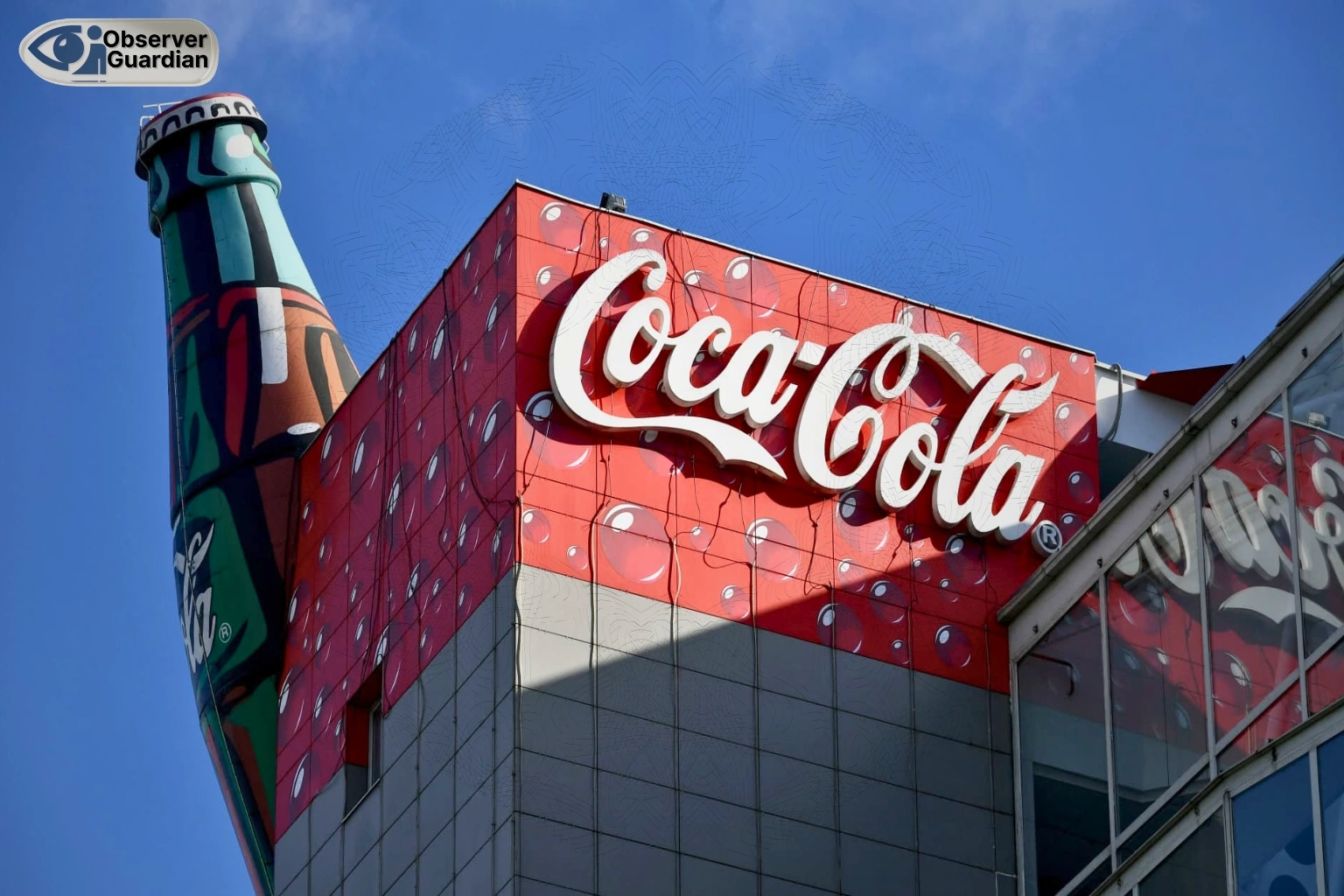

Coca-Cola is one of the most well known brands globally, but the company experiences hard times in the principal markets. Its market share in Pakistan and Turkey has declined during the recent months. There is no competing with rivals or supply problems. The downturn is founded on boycotts among the consumers based on political and social feelings. The firm now finds it hard to retain its reign of dominance in these areas.
Boycott Momentum
Pakistan and Turkey boycotts have become strong. These are not restricted to a few activists. The common consumer is taking an active part. Campaigns on social media have contributed immensely. Viral videos and hashtags have urged people to switch alternatives. There is pressure on street demonstrations and internet petitions. The momentum describes how consumer behavior may change rapidly when it comes to emotions.
Economic Impact
This is because the affected sales have direct economic effects. The retailers who have hitherto relied on Coca-Cola are reporting low sales volumes. Distributors are experiencing low demand. The gap is being filled by competitors, especially the local beverage producers. Fruit juice brands, milk-based beverages, and the traditional beverages are enjoying the fruits. The change demonstrates the instability of brand loyalty in political pressure.
Local Alternatives Rising
The local brands have been accorded with a new space by the boycotts. In Pakistan, the local soft drink producers are increasing their presence. Ayran is a traditional beverage that is becoming popular in Turkey once more. Customers will be ready to experiment with alternatives that they could disregard in the past. Local beverages are appealing because of the cultural association. This is a long term challenge to the market strategy of Coca-Cola.
Corporate Response
Coca-Cola has attempted to minimize the harm. The firm has made statements that it is not involved in political fights. It has pointed out its investments in local economies. The brand keeps emphasizing that it offers employment and benefits societies. Nevertheless, the reaction has not been robust to alter the perceptions of the consumers. The silence or the neutral cases are commonly considered as complicity.
Consumer Power
The decline in the market share of Coca-Cola underlines the strength of the consumers. Taste and price are not the only attributes that are used to judge modern companies. Values and associations also judge them. Once consumers associate a brand with a problem that they are protesting, they will be able to withdraw their support immediately. This is gaining momentum in a globalized digital world. Firms can no longer afford to only think advertisement wise. They require policies on how to deal with political backlash.
The case of Coca-Cola losing its market share in Pakistan and Turkey marks a lesson in the market reality. It would not take long before a global brand would lose ground when boycotts start gathering momentum. It is leading to the success of local alternatives. The challenge the company is left with is to regain trust. In the contemporary market, reputation is more valuable than the quality of the products. The case of Coca-Cola demonstrates that the sentiment of consumers can transform the business environment.