
The formal launch of a comprehensive tax exemption programme for traders linked to Pak-China trade in Gilgit-Baltistan marks an important economic moment for the region. Inaugurated by interim Chief Minister Yar Muhammad, the initiative is more than a routine fiscal relief package; it is a policy signal that Gilgit-Baltistan is being positioned as a serious commercial bridge between Pakistan and China. For a region that sits at the heart of strategic connectivity, trade corridors and cross-border movement, such a programme can help convert geographical importance into real economic opportunity.
The most encouraging aspect of this programme is its inclusive structure. By offering separate incentives and quotas for large businesses, small enterprises, youth and women, the government has acknowledged that economic revival cannot be built only around major investors. Large industrial units can bring capital, scale and formal employment, but small traders, startups and household-level entrepreneurs create the deeper commercial networks that keep local economies alive.
A tax exemption model that recognizes all these layers has the potential to make growth broader, fairer and more sustainable
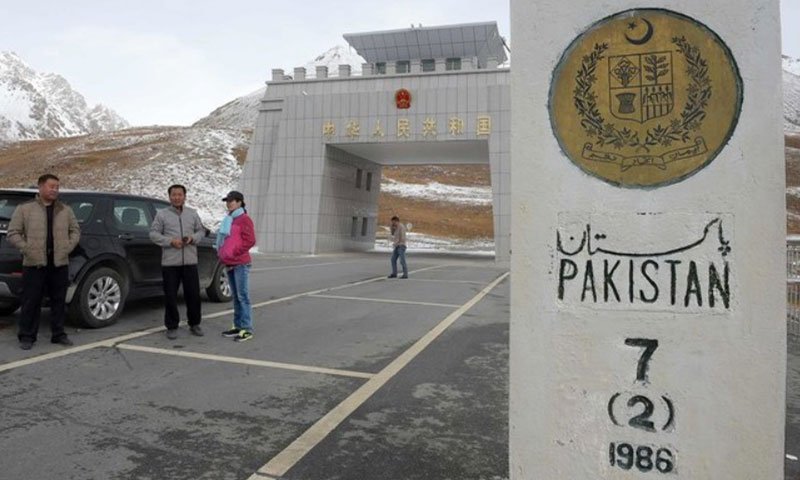
Gilgit-Baltistan has long possessed the natural advantage of location, but location alone does not create prosperity. Trade requires confidence, simplified procedures, lower costs and predictable policy support. Tax relief can reduce the burden on businesses operating in difficult terrain, where transportation, logistics, storage and financing already carry higher costs. For traders working along the Pak-China route, this relief may improve competitiveness, encourage formal registration and make cross-border commerce more attractive. In practical terms, it can give trade fresh momentum and help Gilgit-Baltistan emerge as a rising hub of the regional economy.
The focus on young entrepreneurs is particularly important. Gilgit-Baltistan’s youth need more than slogans about opportunity; they need access to capital, market entry points and institutional backing. If the programme is implemented transparently, youth quotas and incentives can support startups in logistics, e-commerce, tourism-linked trade, packaging, warehousing, digital services and export facilitation. This would help move the region beyond dependency on public-sector jobs and seasonal income.
A dynamic economy is built when young people are encouraged to take calculated risks and participate in formal enterprise
Equally significant is the inclusion of women. In many developing regions, women contribute quietly to production, services, handicrafts, agriculture and family businesses, yet remain underrepresented in formal trade policy. Dedicated incentives for women can change this pattern. Women-led enterprises in local products, textiles, food processing, online retail and tourism-related services can become part of the broader Pak-China trade ecosystem. When women are included in economic planning, household incomes rise, communities become more resilient and development gains become more evenly distributed.
The programme also carries strategic value for Pakistan’s wider trade agenda. Stronger Pak-China commercial links through Gilgit-Baltistan can increase exports, attract investment and encourage the development of supporting infrastructure. However, the success of this initiative will depend on execution. Tax exemptions alone cannot deliver transformation unless they are supported by efficient customs systems, banking access, transport facilities, market information, dispute-resolution mechanisms and protection from bureaucratic delays.
Investors and small traders alike need clarity, not confusion
There is also a need for careful monitoring. Tax relief programmes can sometimes benefit only well-connected groups if eligibility rules are vague or oversight is weak. The government must ensure that quotas for small businesses, youth and women are not symbolic but genuinely accessible. Application procedures should be simple, information should be publicly available, and approvals should be based on transparent criteria. A fair system will build trust; a selective one will weaken the programme’s credibility.
Overall, this initiative reflects a practical and people-oriented approach to economic policy. It recognizes that Gilgit-Baltistan’s future cannot be limited to its scenic beauty or strategic geography. The region needs trade, industry, jobs, entrepreneurship and export capacity. By reducing tax pressure and widening participation, the government has taken a meaningful step toward economic revival.
The real test now is implementation. If managed with transparency, consistency and long-term planning, this tax exemption programme can reshape the business environment of Gilgit-Baltistan. It can strengthen Pak-China trade, encourage investment, empower young people and women, and create new pathways for sustainable development. In that sense, this is not merely a fiscal concession; it is a step toward a more self-reliant, inclusive and regionally connected economy.