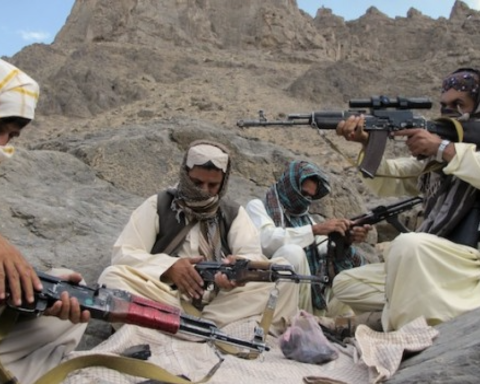
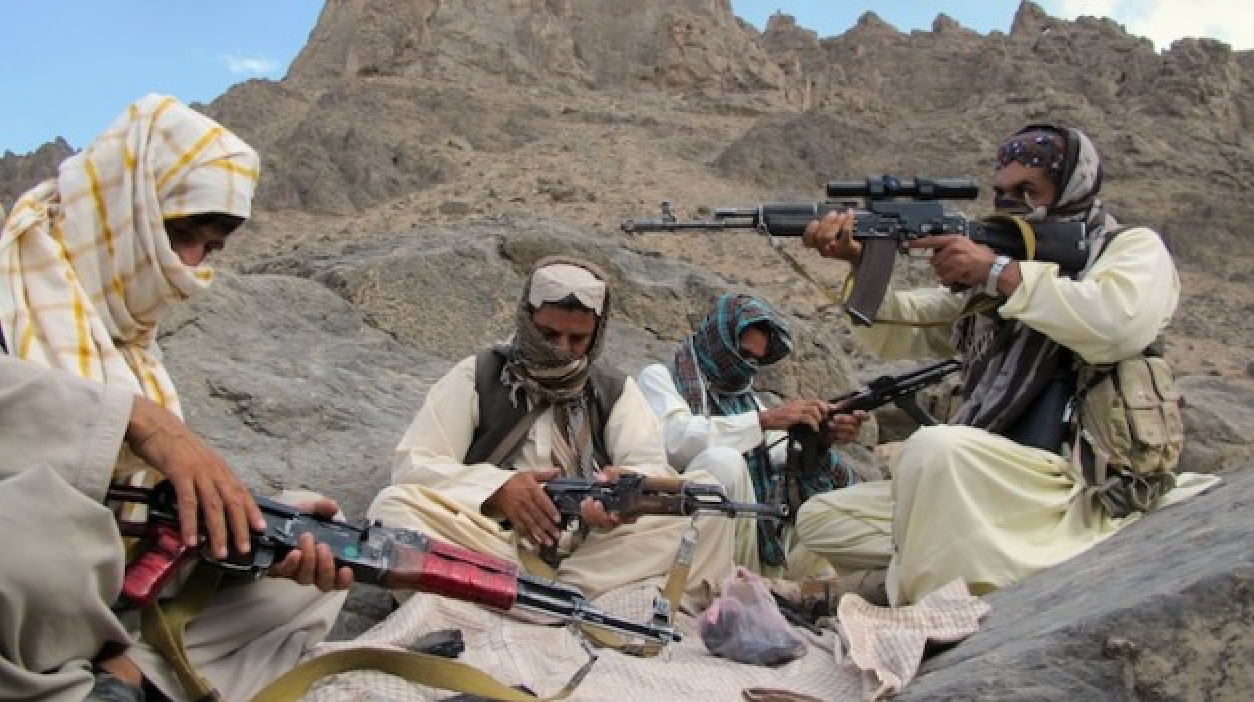

The latest clash between the Baloch Liberation Army and the Baloch Liberation Front is not an isolated episode. It is the public exposure of tensions that have been building for years beneath the surface. For a long time, both groups tried to preserve the image of a shared cause, a common struggle, and a united front against the state. That image is now cracking in full view. When organisations that claim to speak for the same people begin openly attacking each other, the damage goes far beyond internal politics. It raises a basic question about credibility, discipline, and the true nature of power inside these armed movements.
The most striking sign of this breakdown is the language now being used. Once one group starts calling the other “state agents,” the central problem becomes impossible to hide. Such words do not come from confidence. They come from fear, suspicion, and deep internal decay. No movement can present itself as principled or disciplined when its own factions treat one another as traitors. It shows that trust has collapsed, not only at the leadership level but also among the rank and file.
The public may hear slogans about sacrifice and liberation, but the reality appears far uglier, with commanders, fighters, and rival circles constantly watching one another with doubt
This is why the remarks attributed to former commander Sarfraz Bangalzai matter so much. In interviews aired by PTV, ARY News, and Geo News, he described a culture in which suspicion can become a death sentence. According to his account, many fighters are killed not by the enemy they were told to fight, but by their own organisations. Whether one agrees with his wider political position or not, the picture he painted is deeply revealing. He suggested that loyalty itself is no guarantee of survival. In such an environment, any accusation can become final, and any internal disagreement can be turned into a fatal charge of betrayal.
That tells us something important. This conflict is no longer, if it ever truly was, just about ideology. It is also about control. Control of territory. Control of routes. Control of influence. Control of funds and weapons. Whenever armed groups begin to compete for these things, ideology becomes a cover for a much more familiar struggle, the struggle for dominance. Disputes over resources do not stay administrative for long. They quickly become personal and then violent.
In such settings, lower-level members often pay the highest price. They are the easiest to accuse, the easiest to replace, and the easiest to silence
The reported class divide between the two organisations makes this even more serious. The BLA leadership is often seen as being shaped by a sardari elite, while the BLF is said to draw more heavily from middle and lower-income backgrounds. That difference matters because class tensions do not disappear inside militant politics. They often sharpen. A movement that claims to fight in the name of the people cannot remain untouched by internal social hierarchy. If one side begins to see itself as naturally entitled to command, while the other feels used, ignored, or treated as expendable, then a split becomes only a matter of time. What looks like a security dispute on the surface may actually be rooted in deeper resentment over status, authority, and who gets to define the struggle.
There is also a wider pattern here. Former commanders from other Baloch armed factions, including splinter circles such as the UBA, have already pointed to the same internal culture. Dissent is not debated. It is crushed. The difference is not managed. That is not the behaviour of a confident political movement. It is the behaviour of organisations that fear internal accountability more than external pressure.
A group that cannot tolerate disagreement among its own people cannot honestly claim to represent a wider population with many views, tribes, classes, and grievances
The BLA’s reported treatment of smaller groups, including the BRA, has only reinforced this image of arrogance. Even the symbolic weight of figures like Akbar Bugti does not appear to be enough to guarantee respect in these rivalries. That matters because armed movements rely heavily on myth, memory, and symbolic legitimacy. When they begin dismissing not just rival commanders but even older political legacies, they weaken the very historical story they depend on. They stop looking like guardians of a cause and start looking like factions fighting over ownership of a brand.
Perhaps the darkest part of this feud is the reported use of informer networks against one another. If commanders are being targeted through internal leaks, then the threat to fighters is no longer mainly external. It is intimate. It sits in the same camp, shares the same food, and hears the same orders. For ordinary militants, this creates a world where today’s comrade can become tomorrow’s accuser.
Under those conditions, fear replaces discipline, and paranoia replaces unity. No chain of command can remain stable when every whisper may lead to execution
For the public, the most serious question is also the most painful one: how many people in the past were branded as traitors and killed without truth, process, or proof? How many of the dead were not enemies, not informers, not double agents, but victims of an internal game of power? These are not minor questions. They go to the moral center of the entire claim these organisations make about justice and representation.
A Movement consumed by internal mistrust, class division, and factional violence cannot claim to stand above the people it seeks to lead. It becomes trapped in its own fears. The BLA BLF rift is not just a tactical setback. It is a serious blow to the idea that Baloch insurgent groups still possess real unity, real cohesion, or a shared political direction. The biggest danger to such movements may no longer be outside pressure. It may be what they have become from within.