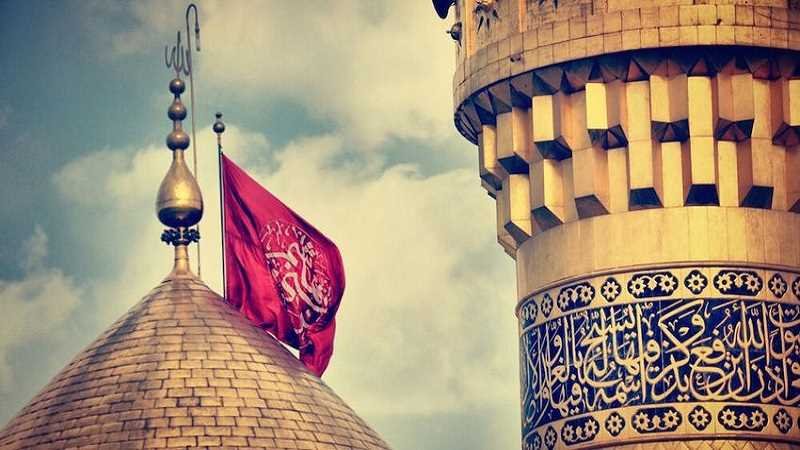

Karbala is not a sectarian slogan, nor is Muharram an occasion for deepening divisions among Muslims. Karbala is a moral school that teaches courage, justice, patience, sacrifice, and steadfastness in the face of oppression. Imam Husayn’s stand was not driven by hatred for a community, tribe or school of thought. It was a principled defence of truth, human dignity and the ethical foundations of Islam. In Pakistan, where sectarian extremists have repeatedly attempted to transform religious devotion into confrontation, the message of Karbala must be reclaimed as a national source of unity, restraint and resistance to hatred.
The central lesson of Karbala is loyalty to truth, not hostility towards fellow Muslims. The Holy Quran commands believers to “hold firmly to the rope of Allah all together and do not become divided” (Al Imran 3:103). This injunction establishes unity as a religious obligation rather than a political convenience. Those who exploit Muharram to provoke sectarian hostility, insult religious personalities or incite violence betray the very sacrifice they claim to honour.
Imam Husayn stood for the preservation of faith, justice, and communal dignity. His memory cannot legitimately be used to spread hatred within the Ummah
Karbala also exposes the danger of tyranny, but it does not legitimise mob revenge, private militancy or sectarian vengeance. The Quran states: “Let not the hatred of a people prevent you from being just” (Al Maidah 5:8). Justice remains obligatory even in moments of anger, grief and conflict. Any slogan, speech, or publication that encourages attacks on citizens, mosques, imambargahs, religious gatherings, or Muharram processions directly contradicts Islamic teachings. Violence against innocent people is neither resistance nor devotion; it is a violation of religion, law, and human dignity.
Muharram should deepen compassion and moral reflection rather than sharpen sectarian labels. Allah declares: “The believers are but brothers, so make peace between your brothers” (Al Hujurat 49:10). This Quranic principle places reconciliation at the centre of Muslim social life. Extremist organisations and sectarian propagandists deliberately present other schools of thought as enemies, using selective history and inflammatory rhetoric to generate fear. Yet the Prophet Muhammad ﷺ taught that a Muslim is one from whose tongue and hand other Muslims remain safe. Abuse, intimidation, and incitement therefore represent a departure from the Prophetic model.
The tragedy of Karbala symbolises lawful moral resistance, not armed rebellion by private groups. Pakistan’s consensus document, Paigham-e-Pakistan, correctly rejects the right of any individual or organisation to declare jihad or wage armed struggle against the state. The Quran commands obedience to Allah, the Messenger, and those entrusted with authority (An Nisa 4:59). Religious emotions, however sincere, cannot be manipulated to justify attacks on law-enforcement personnel, destruction of public property, or intimidation of citizens.
The state has both a constitutional and religious responsibility to protect peaceful worship while preventing extremists from exploiting sacred occasions
The sanctity of human life is another foundational principle shared by Islam and the spirit of Karbala. The Quran teaches that killing one innocent person is comparable to killing all humanity (Al Maidah 5:32). Those who target mourners, religious scholars, police officers, minorities, or ordinary citizens during Muharram cannot be described as defenders of faith. They are violators of Quranic mercy and justice. The protection of processions, majalis, mosques and public spaces is therefore not merely an administrative requirement; it is a moral responsibility rooted in the preservation of life.
Imam Husayn’s family endured unimaginable suffering with dignity and courage. They rejected falsehood without dehumanising the wider Muslim community. The Prophet ﷺ described Hasan and Husayn as leaders of the youth of Paradise. Their sacred honour cannot be defended through abusive language, inflammatory speeches, or threats against another school of thought. Genuine reverence demands ethical conduct. Religious leaders, scholars, and speakers must recognise that words delivered from pulpits can either heal society or ignite conflict.
Responsible religious expression should promote patience, mutual respect, and peaceful disagreement
Sectarian propaganda increasingly spreads through fabricated videos, edited speeches, anonymous social-media accounts and misleading historical claims. The Quran commands believers to verify information before acting upon it: “If a sinful person brings you news, verify it” (Al Hujurat 49:6). This principle is especially important during Muharram, when emotionally charged rumours can rapidly create unrest. Citizens should refuse to forward unverified content, while digital platforms and law-enforcement institutions must act against organised hate campaigns. Verification is not only responsible citizenship; it is a Quranic duty.
Muharram processions, majalis and sermons must remain grounded in law, respect and public safety. The Quran prohibits transgression even during conflict (Al Baqarah 2:190). Pakistan protects the right of every religious community to worship and commemorate sacred events, but religious freedom cannot include hate speech, forced closures, display of weapons, or intimidation of the public.
Effective coordination among religious scholars, local administrations, security agencies, and community representatives can ensure that religious observance remains peaceful and dignified
Karbala possesses a universal message capable of strengthening inter-sect harmony because it condemns cruelty and honours conscience. Shared reverence for Imam Husayn should inspire Muslims to protect one another’s places of worship, respect differences and stand together against terrorism. The Prophet ﷺ taught that no one truly believes until he loves for his brother what he loves for himself. In practical terms, this means ensuring that every citizen can worship without fear, every religious gathering remains protected, and every sectarian provocation is collectively rejected.
Pakistan’s national Muharram narrative must therefore be unmistakable: grief with discipline, remembrance with responsibility, devotion with unity and disagreement without hatred. Extremists seek to transform every procession, sermon, and religious symbol into a battlefield of identity. Islam offers a different path based on justice, mercy, reconciliation, and restraint. To honour Karbala is to defend the oppressed, protect innocent life, and reject every ideology that divides Muslims through takfir and violence. The true tribute to Imam Husayn is a peaceful Pakistan in which every citizen’s dignity, faith and right to worship are protected.