
Martyrdom is a Spirit, Not a Salary Transaction
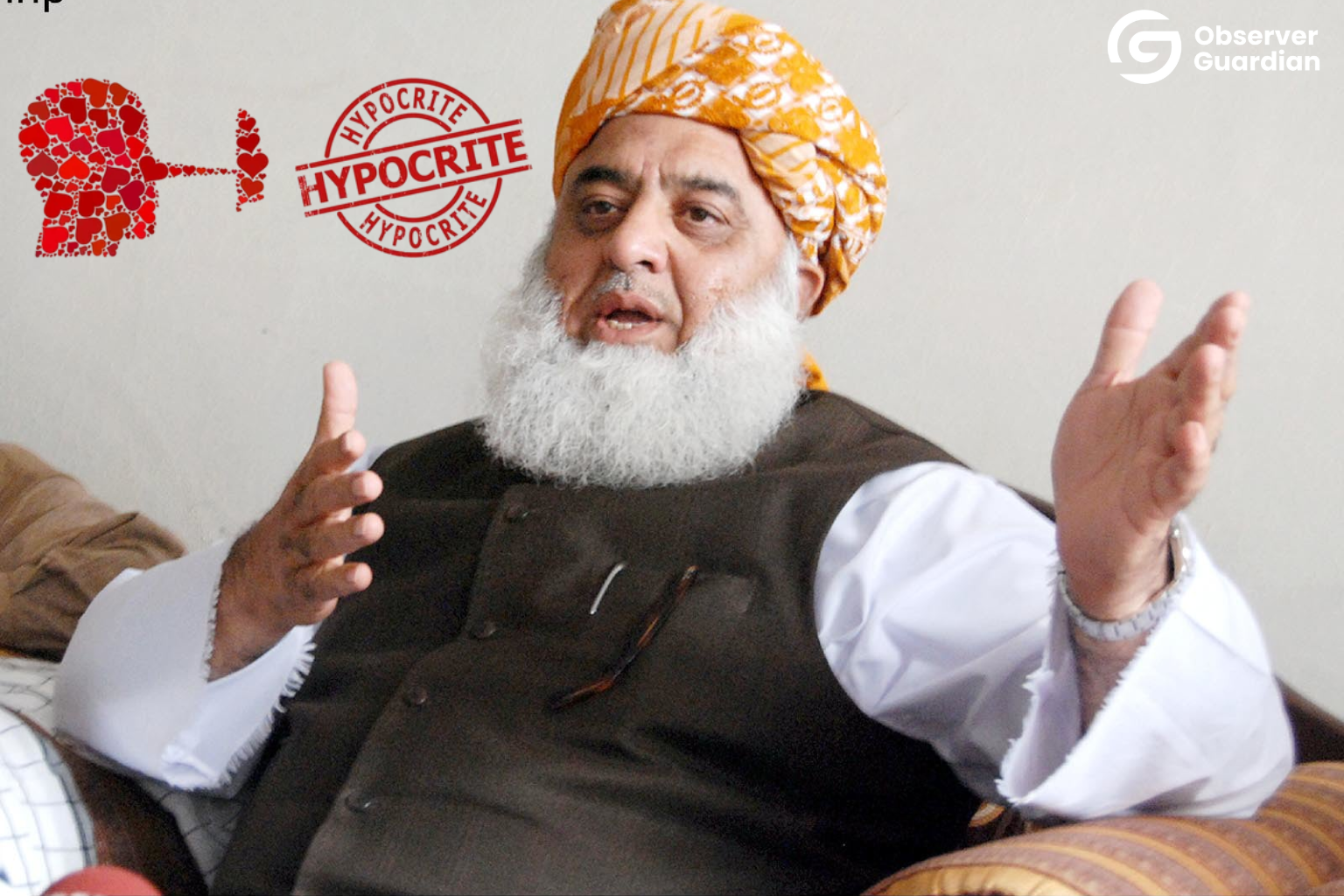
On July 11, 2026, at a conference held in Phoolnagar, Kasur, Jamiat Ulema e Islam (F) chief Maulana Fazlur Rehman uttered words that were not merely a political statement. They were salt poured on the wounds of thousands of martyrs’ families. He said: “Your soldiers strapped on their belts for this very reason, they are taking salary for this very purpose, that they must fight for the security of the country. What obligation of your blood are you putting on me?” Every Pakistani with a conscience who heard these words was forced to ask: can any salary truly be the equivalent of a human life?
The answer is plain and clear. No.
Defence Minister Khawaja Asif responded with strong condemnation, stating that “linking the sacrifice of military soldiers for their homeland with their salary is not only unjust but is equivalent to hurting the feelings of the martyrs and their families.” He further said that sons of mothers, including Pakistan’s armed forces, law enforcement agencies, and civilians, are coming home draped in the national flag every single day. Calling their sacrifice a consequence of salary is not political criticism. It is moral insensitivity.
In no country in the world is any soldier’s salary enough that he would stake his life in exchange for it. A Pakistani soldier on a monthly salary of fifty or one hundred thousand rupees navigates landmines, treacherous mountains, and terrorist attacks.
He does not do this because a salary compelled him. He does this because within his heart burns a flame of national honour that stands far above any salary.
Remember Aitzaz Ahsan. That young student from Kohat grabbed a suicide bomber to stop him from entering his school, held on without letting go, and did not release his grip until the explosion occurred. Aitzaz had taken no salary. He gave his life to save the children of his nation. Would Maulana sahib view him too through the lens of salary and financial transaction?
This is indeed a point for accountability: when someone has been in politics for decades, their own transparency becomes equally necessary. Maulana Fazlur Rehman has been a member of the National Assembly multiple times since 1988, served as Chairman of the Standing Committee on Foreign Affairs, and led the Kashmir Committee for a long period. His entire family has been connected to various corridors of power for decades. His brothers served as federal ministers, his sons represented the National Assembly, his in law served as provincial governor, and his son in law served as Mayor of Peshawar. The question then becomes: if a public representative’s salary is the “price of service,” then frequent parliamentary absences, alleged fake medical bills, and state funded privileges are all of these “halal”?
The real issue is not that soldiers receive salaries. The real issue is that the sacred concept of martyrdom is being weaponised in political rhetoric. Whenever political pressure rises, whenever the question of accountability comes forward, religious sentiments are turned into a shield. This is not service to religion. This is politics behind the veil of religion.
Khawaja Asif rightly said that Maulana sahib did not insult one institution. He wounded the sentiments of thousands of martyrs, the injured, widows, orphaned children, and grieving parents. Among these martyrs are those who were the only brothers of seven sisters, those who were the sole support of aging parents. They did not give their lives merely for a job. They gave their lives out of love for this homeland.
This is a debt of blood that rests upon the entire nation, and this debt is repaid not with salary slips but with loyalty and respect.
The nation today must learn to distinguish: between religion and the exploitation of religion, between martyrdom and politics, between national service and dynastic power. Those who sit in air conditioned rooms and reduce the sacrifices of those fighting on the border to a mere salary transaction must receive a clear answer from the nation: martyrdom has no substitute, and the dishonour of this sacred rank is completely unacceptable.
A request to Pakistan’s scholars, intellectuals, and political workers: use religious titles with responsibility. “Maulana” and “Mufti” are titles belonging to those who carry knowledge, piety, and genuine pain for the nation, not for those who turn the sacrifices of martyrs into fuel for political speeches.
Finally, to the families of the martyrs: the sacrifice of your loved ones is inscribed in the golden pages of history. No political statement can dim that light. Pakistan lives because its sons gave their blood. This is a debt of blood that the entire nation owes, and it is repaid through faithfulness and honour, not through salary slips.
Disclaimer: The views and opinions expressed in this article are exclusively those of the author and do not reflect the official stance, policies, or perspectives of the Platform.