
Afghanistan remains a preferred destination for the East Turkestan Islamic Movement for a mix of practical and ideological reasons that are not going away any time soon. Despite changes in Kabul’s political landscape, the basic conditions that attract transnational militants are still in place. Weak governance outside major urban centers, long-standing militant infrastructure, and the country’s position at the crossroads of Central Asia and China keep Afghanistan at the center of ETIM’s strategic map.
One of the most important factors is the presence of ungoverned or loosely governed spaces. Large parts of rural and mountainous Afghanistan sit outside any meaningful state control. In these districts, security forces are thin, institutions are weak, and local power brokers often make their own deals. For a group like ETIM, which needs space to train, regroup, and indoctrinate new members, this kind of environment is ideal. Camps can be set up, basic weapons training can be conducted, and recruitment can continue with limited risk of sustained pressure from security forces.
Even when operations occur, they tend to be sporadic, which allows the group to adapt and reappear elsewhere
Geography works in ETIM’s favor as well. Afghanistan shares borders or near borders with Central Asian states and sits close to Xinjiang in western China. This makes it an attractive staging ground for cross border movements, whether for reconnaissance, propaganda, or attempts at infiltration. Fighters and facilitators can move along old smuggling routes and tribal pathways that have existed for generations. These networks do not belong to one group. They are shared, rented, and repurposed. For ETIM, being based in Afghanistan means easier contact with sympathizers and recruiters from Central Asia and easier coordination with like-minded militants who see the region as a single connected theater.
ETIM also benefits from a long-established militant ecosystem that predates its presence in the country. Decades of conflict have left behind training sites, weapons storage locations, and communication channels that can be repurposed. Even when specific camps are shut down, the know-how survives. There are instructors who have rotated between different groups, local logisticians who understand how to move supplies quietly, and couriers who know which valleys are safest.
This is not a structure that has to be built from scratch. It is inherited and adapted, which lowers the cost for ETIM to sustain long-term operations
The political environment inside Afghanistan further adds to the problem. While the current authorities claim to control the entire territory and to prevent any group from using Afghan soil for attacks abroad, the reality on the ground is more mixed. Local commanders, tribal intermediaries, and elements inside interim governance structures may be sympathetic to certain foreign militants for ideological, ethnic, or financial reasons. Even passive tolerance is enough. If local officials look the other way when camps are set up or when unfamiliar fighters arrive, ETIM’s planners gain time and space. This quiet acceptance is more dangerous than an open alliance, because it is harder to detect and disrupt from the outside.
Afghanistan’s physical landscape is another key advantage for ETIM. The country’s mountains, narrow valleys, and remote provinces make intelligence gathering and precision strikes extremely difficult. Surveillance assets struggle with terrain, and human sources are hard to cultivate in tightly knit rural communities. For a clandestine group, this kind of terrain is a natural shield. Camps can be tucked into side valleys, safe houses can sit in sparsely populated areas, and movements can follow paths that are invisible to outsiders.
Geography does not decide everything, but it raises the cost of any counterterrorism campaign that relies on detection and targeted action
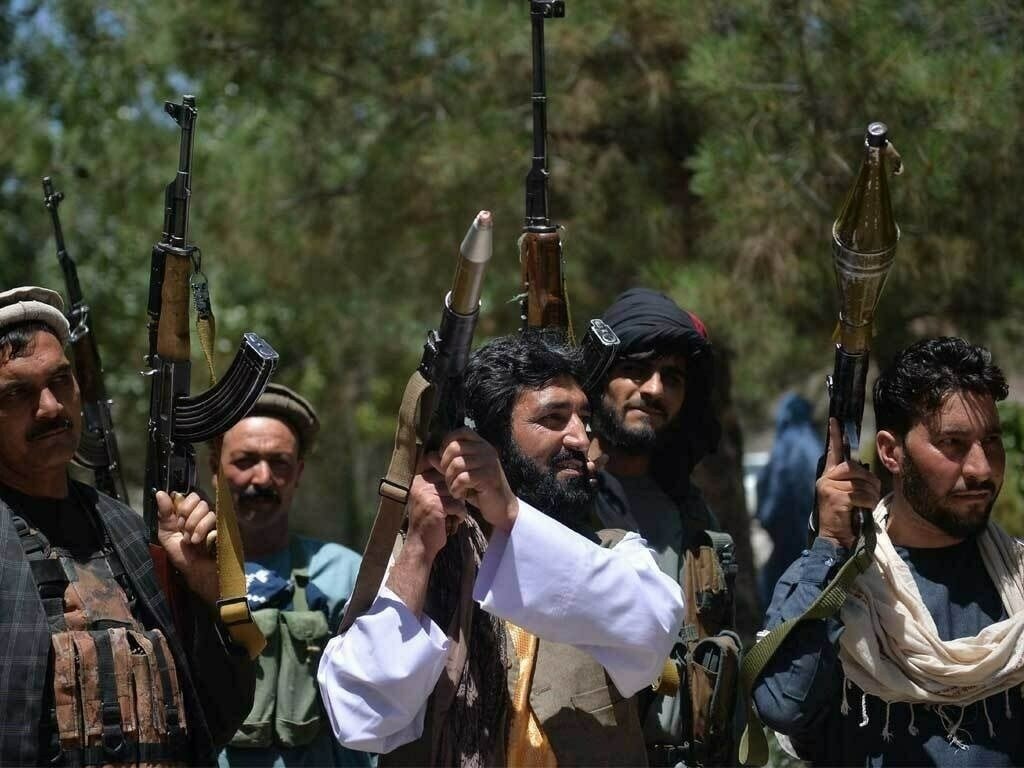
The presence of other militant organizations multiplies the risk. Afghanistan still hosts, tolerates, or borders networks linked to Al Qaeda, Tehreek e Taliban Pakistan, and various regional factions. ETIM does not operate in isolation. It can trade skills, contacts, and sometimes fighters with these actors. Expertise in explosives, media production, or fundraising can move from one group to another. Shared training sites and overlapping support networks make it harder to target one organization without others adapting. For ETIM, this dense militant environment provides redundancy. If one supply line is cut, another can be activated through allied groups.
All these factors combine to make Afghanistan not just a hideout, but a central hub for ETIM’s regional strategy. It is a place where recruits from different countries can meet, where ideological narratives can be reinforced in a live combat setting, and where plans for future operations can be drafted away from constant surveillance.
The permissive environment allows the group to bring in both local recruits and foreign fighters, run them through a basic training cycle, and then send them back across borders or keep them in theater. That cycle is what keeps the organization alive
Evidence on the ground supports this assessment. ETIM-linked elements continue to operate in remote Afghan provinces with little consistent enforcement. The country’s proximity to Central Asia and China gives the group practical options for cross-border signaling and recruitment, even if direct attacks are limited by pressure from states in the region. Training facilities and weapons storage points, whether newly built or inherited from other groups, provide the logistical backbone for operations. Collaboration, whether open or quiet, with Al Qaeda, TTP, and local armed actors, strengthens ETIM’s capacity, its access to money, and its reach into new communities.
For regional states, especially China and the Central Asian republics, this situation carries clear security implications. As long as Afghanistan remains a permissive environment with weak border controls and patchy internal governance, ETIM will find reasons to maintain a presence there. Diplomatic pressure and limited security cooperation can raise costs, but they cannot fully offset the advantages that terrain, history, and existing networks provide. Without a more stable Afghan state that can exert consistent control over its territory and deny safe haven to any foreign militant group, Afghanistan will continue to be a preferred destination for ETIM’s leadership, trainers, and rank and file.