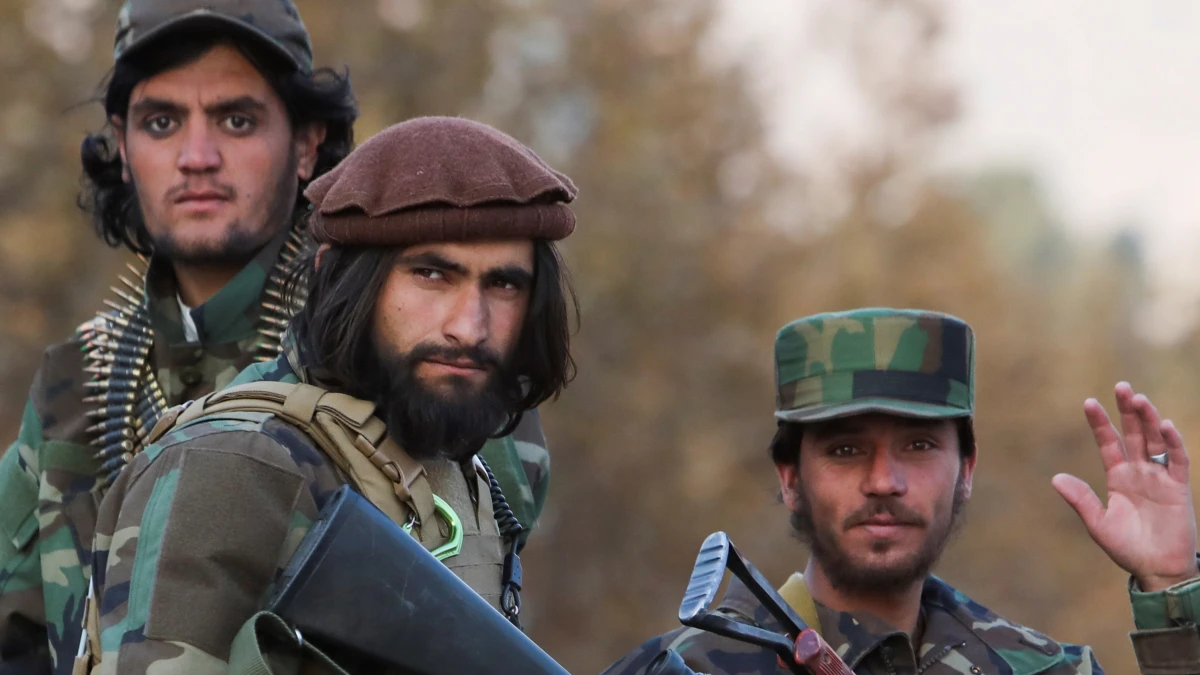

The Taliban’s claim of having restored “stability” in Afghanistan collapses when tested against international evidence and the daily experience of Afghan households. Since its 2021 takeover, the Taliban regime has not behaved like a responsible state actor. It has converted state authority into an ideological project, one that protects extremist networks, suppresses public consent, isolates the country, weakens the economy, and transfers the cost of its choices onto ordinary Afghans. Afghanistan today is suffering from a triple failure that is a legitimacy failure, a security failure, and a welfare failure.
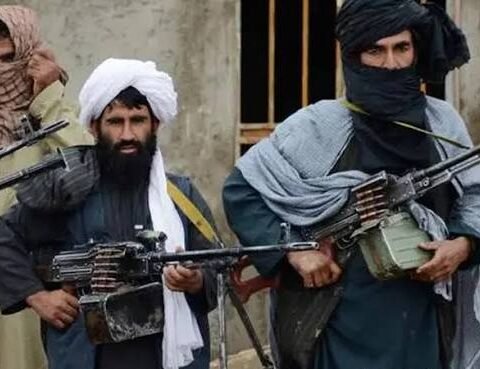
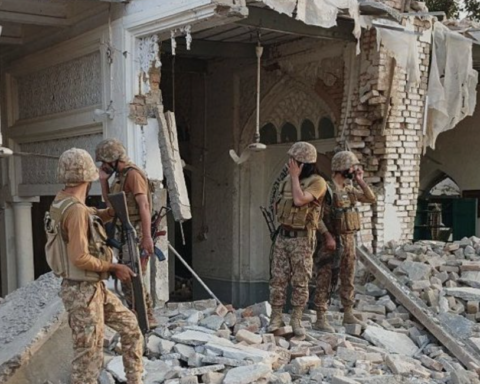
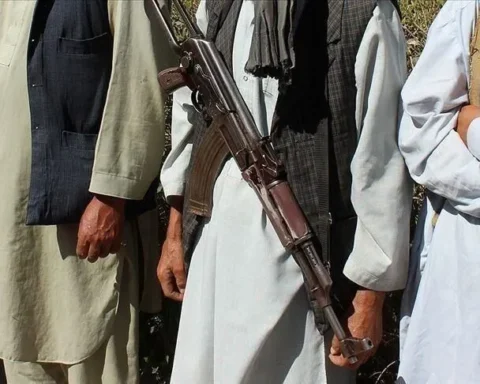
The first and most dangerous failure is security. The presence of the Tehreek-e-Taliban Pakistan is not merely Pakistan’s security concern, but it is an Afghan national-interest issue. When Afghan territory is used by the TTP and other extremist groups, Afghanistan itself pays the price. The UN Security Council Monitoring Team has stated that Taliban claims that no terrorist groups operate from Afghanistan are “not credible.” It has reported TTP attacks from Afghan soil, Taliban harbouring and facilitation of TTP operations, around 6,000 TTP fighters in Afghan provinces, and more than 600 attacks in Pakistan in 2025.
These are not abstract security figures. They translate into closed borders, disrupted trade, diplomatic mistrust, military tensions and a higher-risk environment for Afghan commerce
Every TTP attack launched from Afghan soil is, in effect, an economic sanction imposed by the Taliban on Afghan people. It closes routes, raises the cost of doing business, discourages regional confidence, and keeps Afghanistan in diplomatic quarantine. The UN estimates that border closures linked to this crisis cost the Afghan economy about $1 million per day, which should alarm anyone who claims to care about Afghan sovereignty. A government that allows ideological fraternity with the TTP to override Afghan economic survival is not defending national interest. It is sacrificing it.
The second failure is legitimacy. The Taliban is not merely an unpopular government; it is a power structure that rejects the very idea of popular consent. The UN Monitoring Team has reported that the Taliban “do not seek popular support or consent” and describes Hibatullah Akhundzada as an absolute ruler, isolated in Kandahar and operating primarily in religious terms.
This is not a normal governance deficit. It is a structural rejection of accountable politics
The regime’s treatment of dissent inside its own ranks confirms this pattern. Taliban figures who questioned bans on girls’ education or other hardline policies have faced dismissal, exile, or detention. That means moderation is suppressed before it can even reach the public. A system that punishes internal disagreement cannot plausibly claim to represent a nation of more than forty million people. It may control state buildings, checkpoints, and ministries, but control is not legitimacy. Rule by coercion is not consent.
The third failure is welfare. Taliban messaging often points to headline economic growth, but that headline hides a harsher reality. The World Bank projects Afghanistan’s GDP to grow by 4.3% in FY2025. Yet population growth of 8.6%, driven in part by more than two million returnees, means GDP per capita is expected to decline by 4.0%. In plain terms, the economy may look larger on paper, but the average Afghan is poorer.
A regime cannot claim recovery when national output rises while every Afghan’s share of that output shrinks
Returnees, drought, aid cuts, and border tensions have overwhelmed jobs and basic services. Taliban propaganda celebrates aggregates while household welfare deteriorates. Growth without opportunity, jobs, services, and purchasing power is not recovery. It is statistical camouflage.
Poverty and aid dependence expose the depth of governance failure. UNDP’s 2025 Multidimensional Poverty Index estimates that 64.9% of Afghans, about 26.9 million people in 2023, were multidimensionally poor. Its Socio-Economic Review found that 75% of people were subsistence-insecure in 2024, up from 69% in 2023. OCHA assessed 22.9 million people needing humanitarian assistance in 2025, while the 2026 plan estimates 21.9 million in need and targets 17.5 million for life-saving support. These figures describe a society surviving, not recovering.
The World Bank’s warning that external financing underpins more than 40% of public revenues is equally revealing. Donor-funded off-budget spending remains critical for basic services, while Afghanistan’s current-account deficit is projected to widen to 31.9% of GDP in 2025. Taliban rule has not built a state.
It has built an aid-dependent survival economy. The regime wants recognition without reform, resources without accountability and sovereignty without responsibility
The most self-destructive Taliban policy is systematic gender exclusion. UNDP reports that only 7% of women were employed outside the household in 2024, compared with 84% of men, and identifies Afghanistan as the most repressive country for women’s rights. The bans on girls’ education and women’s employment are not only moral failures, but they are economic and strategic disasters. No country can remove half its population from education, work, and public life and then expect prosperity.
Taliban restrictions on female nurses, midwives, and aid workers also weaken humanitarian delivery to Afghan women and children. The regime has removed half the country from the economy, then blames the world for Afghanistan’s poverty. This is not governance. It is national self-harm.
Afghanistan’s crisis is not caused by geography or destiny. It is caused by political choices. The Taliban chose ideological rigidity over public consent, militant fraternity over regional stability, and gender exclusion over human development. The result is an Afghanistan that is less secure, less legitimate, and less capable of feeding its people. Stability cannot be measured by the silence of dissent or the control of territory. It must be measured by whether people are safer, freer, and better able to live with dignity. On that test, the Taliban has failed.