
In 2026, the China-Pakistan Economic Corridor stands at a decisive turning point. What began in 2015 as a massive infrastructure and energy initiative under the Belt and Road Initiative is now entering a more complex and potentially more transformative phase. CPEC 2.0 is no longer only about roads, ports, power plants, and railways. It is about whether Pakistan can convert connectivity into productivity, energy generation into industrial competitiveness, and strategic friendship with China into long-term economic modernization.
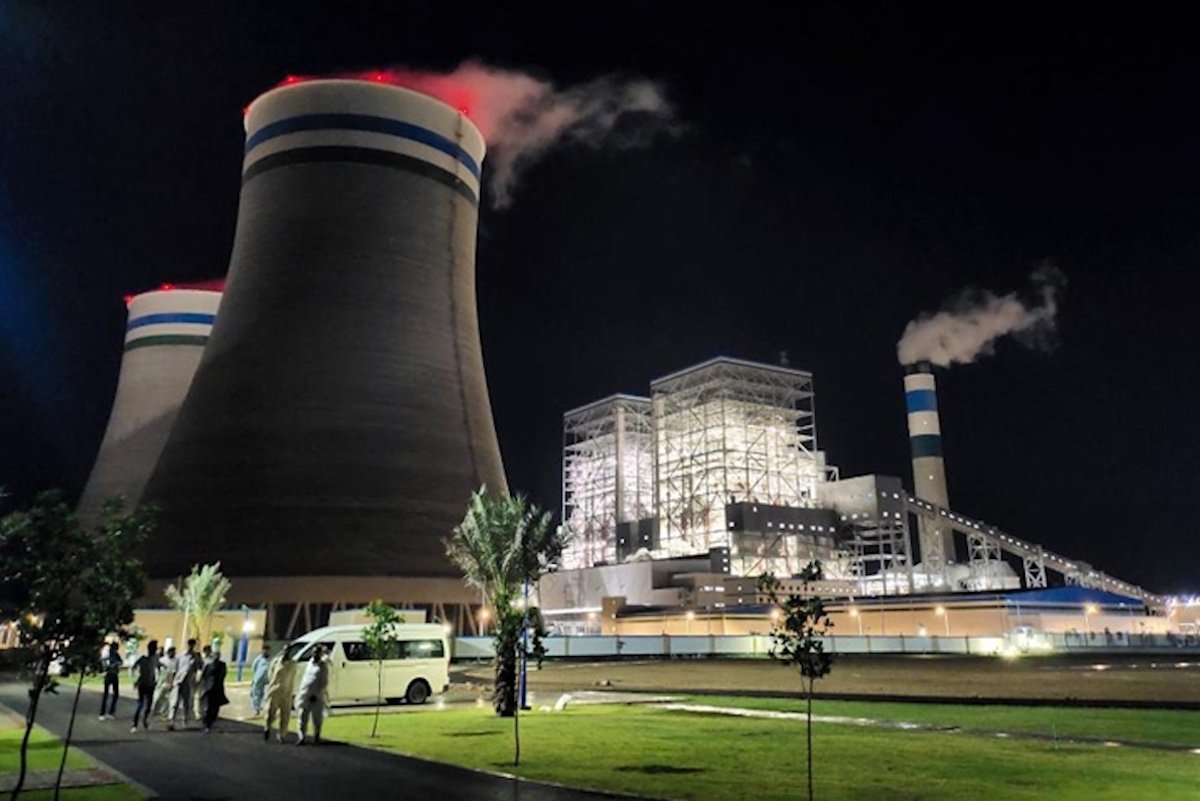
The first phase of CPEC delivered visible gains. It improved road connectivity, expanded power generation, reduced chronic load-shedding, and brought around USD 26 billion in realized investment. Completed energy projects added more than 9,500 megawatts to Pakistan’s electricity system, while additional pipeline projects could take CPEC-linked capacity beyond 13,000 megawatts. For a country long constrained by energy shortages and weak logistics, these achievements matter. Yet infrastructure alone cannot transform an economy.
Roads must carry exports, power must feed factories, ports must move value-added goods, and investment must create skilled employment. That is the central test of CPEC 2.0
The new phase rightly shifts attention toward industrial relocation, renewable energy, agriculture modernization, digital connectivity, and technology transfer. This transition aligns with China’s own emphasis on high-quality, green, and innovation-driven development under its 15th Five-Year Plan. It also fits Pakistan’s urgent need to diversify exports, reduce import dependence, modernize industry, and create jobs for a young population. If managed well, CPEC 2.0 can become the bridge between Pakistan’s infrastructure buildout and its industrial future.
The most promising symbol of this shift is Green CPEC. The earlier phase relied heavily on coal-based power generation, which helped address shortages but also created environmental and financial concerns. The new focus on renewables, particularly solar energy, is both timely and necessary. Pakistan’s solar boom has been extraordinary. By late 2025, imports of Chinese solar panels had crossed 50 gigawatts, with around 17 gigawatts imported in 2024 and nearly 17.9 gigawatts in fiscal year 2025. Pakistan’s share in China’s solar exports rose sharply from 2 percent in 2022 to around 12 percent in 2025. This reflects not only cheaper solar panels but also a powerful market response to high electricity tariffs and unreliable grid supply.
However, importing solar panels is not enough. Pakistan reportedly spends over USD 2 billion annually on imported solar equipment. That is a warning as much as an opportunity. If the country remains only a consumer of Chinese solar technology, it will reduce energy costs but miss the larger industrial prize. The real opportunity lies in localizing parts of the solar value chain: panel assembly, inverters, batteries, mounting structures, maintenance services, and eventually higher-value manufacturing.
Chinese firms facing global overcapacity and looking for new production bases can become natural partners, but Pakistan must offer credible policy, stable regulation, efficient Special Economic Zones, and investor protection
This is where the expansion of SEZs becomes crucial. The approval of 44 Special Economic Zones nationwide suggests ambition, but zones succeed only when they provide reliable utilities, logistics, customs facilitation, skilled labor, and policy continuity. Pakistan has often announced industrial parks without ensuring the ecosystem that makes them competitive. CPEC 2.0 must avoid that mistake. Industrial cooperation with China should be export-oriented, not merely import-substituting. Electronics, textiles, renewable energy components, food processing, minerals, and value-added agriculture are areas where Pakistan can realistically build capacity.
The digital dimension is equally important. Pakistan’s USD 1 billion Artificial Intelligence fund, plans for AI education in schools, 1,000 fully funded PhD scholarships by 2030, and training for one million non-IT professionals point toward a necessary shift in national priorities. With 63 percent of the population in the youth demographic, Pakistan cannot afford a low-skill development model. CPEC-linked technology cooperation, AI laboratories, digital infrastructure, and innovation partnerships can help create future-ready employment. But digital transformation must not remain confined to slogans. It should improve governance, agricultural productivity, manufacturing efficiency, logistics, education, and public services.
Transport connectivity still matters. The ML-1 railway upgrade from Karachi to Peshawar, estimated at USD 6.7 to 7 billion, can reshape Pakistan’s freight and passenger movement if implemented transparently and efficiently. Gwadar’s airport, hospital, desalination plants, Free Zone activity, and port expansion also remain central to the corridor’s regional promise. Yet Gwadar’s success depends on local inclusion, water security, human development, and commercial viability.
A port city cannot become a regional hub if its own residents feel excluded from development
The deeper significance of CPEC 2.0 is that it offers Pakistan a second chance to move from consumption-led growth to production-led growth. The first phase built capacity; the second must build competitiveness. Green energy should lower industrial costs. SEZs should produce exportable goods. Digital cooperation should raise productivity. Railways and ports should connect Pakistan to regional markets. Agriculture modernization should improve food security and export earnings. None of this will happen automatically. It requires policy discipline, institutional coordination, security, fiscal responsibility, and a serious commitment to reform.
As Pakistan and China mark 75 years of diplomatic relations in 2026, CPEC remains a powerful expression of their strategic partnership. But the measure of success in this phase should not be the number of projects announced or the size of investment commitments. It should be factories operating, exports rising, technology transferred, jobs created, emissions reduced, and communities uplifted. CPEC 2.0 can indeed transform Pakistan into a green, digital, and industrial hub. The opportunity is real. The challenge is execution.