
The expiry of the sixty-day window created by the 17 June memorandum has transformed a faltering truce into a dangerous political vacuum. Washington says it will not extend the arrangement. Tehran warns that failed diplomacy will bring a fully offensive posture in the Strait of Hormuz. The latest Reuters account points to an alarming conclusion. Neither side has formally chosen renewed war, yet both are making war easier to trigger.
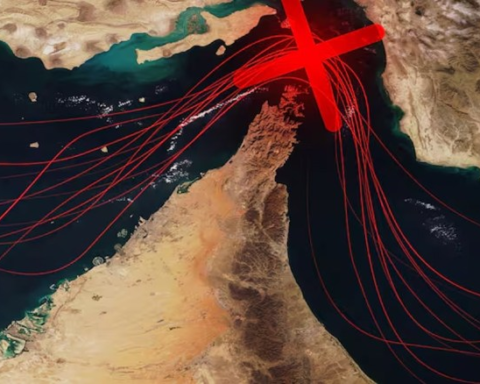
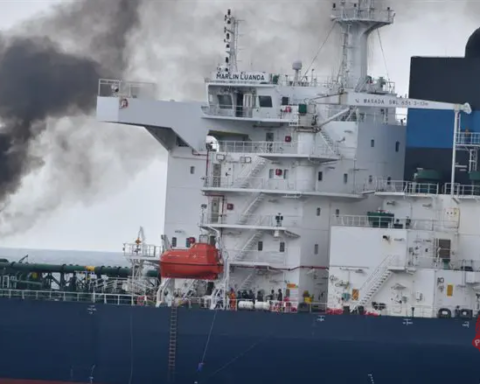
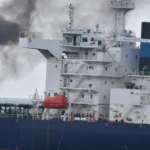
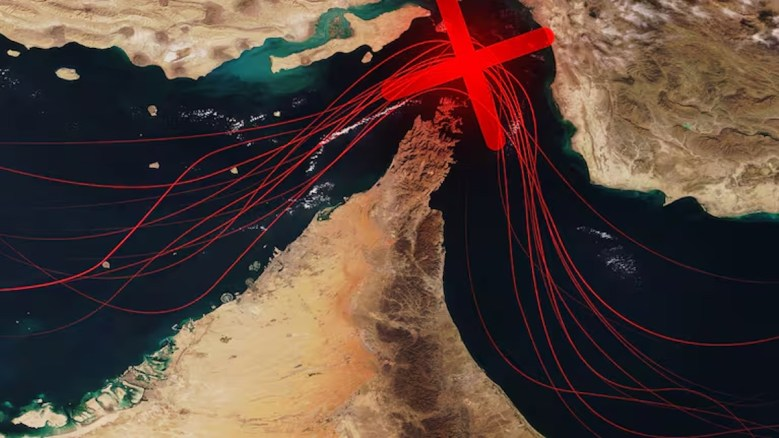
The paralysis is visible at sea. Only six commodity vessels crossed Hormuz on Monday, compared with a recent average of eleven, and no very large crude carrier or liquefied natural gas tanker was recorded. Some ships may be moving without active transponders, but the latest traffic data still describe commerce shaped by fear.
A ceasefire that does not restore predictable passage is not delivering peace. It is merely rationing insecurity
The memorandum was ambitious because it tried to connect immediate restraint with a permanent settlement. It envisaged an end to military operations while allowing talks on sanctions, Iran’s nuclear programme, and the governance of Hormuz. Early reporting on the June terms already revealed competing interpretations. Iran treated the text as recognition of a managerial role in the strait. The United States saw secure and unrestricted navigation as non-negotiable. Their signatures rested on different political agreements.
That ambiguity quickly became operational. Attacks on commercial shipping brought American strikes, Iranian retaliation, and renewed accusations of bad faith. A United Nations briefing documented the cycle and urged protection for ports, vessels, energy facilities, and maritime personnel. In July, attacks on Qatari and Saudi tankers pushed the shipping threat rating to severe, according to a detailed incident report. Washington then revoked a sanctions licence granted to support deescalation. Each response weakened the incentive behind the previous concession.
Iran can threaten Hormuz because the waterway carries extraordinary economic weight. Before the conflict, roughly twenty million barrels of petroleum liquids passed through it daily, close to one fifth of global consumption, according to the United States Energy Information Administration. About one fifth of worldwide liquefied natural gas trade also used the route, led by Qatar, as separate gas flow figures show.
Geography gives Tehran leverage, but using that leverage indiscriminately also injures neighbours and potential partners
The wider cost is no longer theoretical. The International Monetary Fund calls higher energy costs a sudden tax on importing economies, while the World Bank outlook warns that conflict has weakened growth and lifted inflation. Hormuz is therefore not a bilateral bargaining chip. It is a global public artery.
Tehran’s offensive warning may be intended to force urgency into stalled talks. It is more likely to harden the American position and frighten shipping companies into deeper withdrawal. Washington faces the mirror image of that error. A naval blockade, intensifying sanctions, and threats against Oman may impose pain, yet they also narrow the route by which Iran can compromise without appearing to surrender. The current sanctions framework shows how extensive American economic leverage already is. More pressure without a credible offer simply confirms Tehran’s belief that negotiations are camouflage for coercion.
Deterrence needs an exit door. Otherwise, it becomes a staircase that both governments climb while insisting the other moved first
Any lasting bargain must also confront the nuclear question directly. Bombing cannot reconstruct verification records. Sanctions cannot replace inspectors. Iran, meanwhile, cannot expect meaningful relief while denying the transparency required to establish peaceful intent.
A workable sequence should begin with maritime safety because it offers the fastest measurable gain. Iran should halt threats and attacks on commercial vessels. The United States should suspend escalatory enforcement actions that are not necessary for immediate defence. A monitored shipping channel can then support restored IAEA access, limits on enrichment, and phased sanctions relief. The IMO safe passage proposal offers a technical foundation. The Energy Information Administration forecast also makes clear that normal trade may take until 2027, so confidence must be built rather than declared.
Oman, Pakistan, and Qatar remain essential because they can carry messages that direct diplomacy cannot yet sustain. Pakistan has repeatedly urged a return to the Islamabad memorandum and continued technical talks, as its 30 July briefing recorded. Its 12 August update also identified an Iran Oman understanding on Hormuz as the catalyst for a broader settlement.
This is the correct diplomatic logic. Resolve the navigational dispute enough to reopen the political channel
The expired deadline need not become a declaration of failure. Mediators should replace the lost sixty-day framework with short, renewable periods of verified restraint. Each period should contain visible obligations, including vessel passage, military separation, inspector access, and proportionate economic relief. Compliance should be assessed by a small contact group rather than competing press statements. The original memorandum failed because ambition outran precision. A narrower arrangement, enforced through reciprocal steps, could prevent the next shot and gradually restore the possibility of peace.