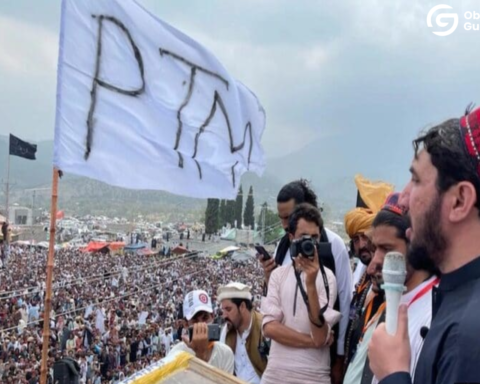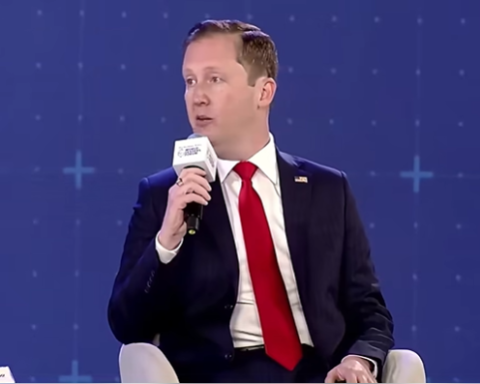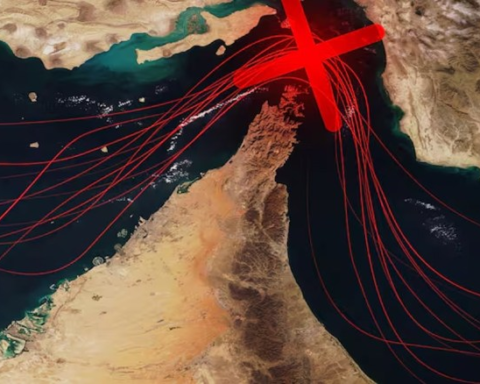
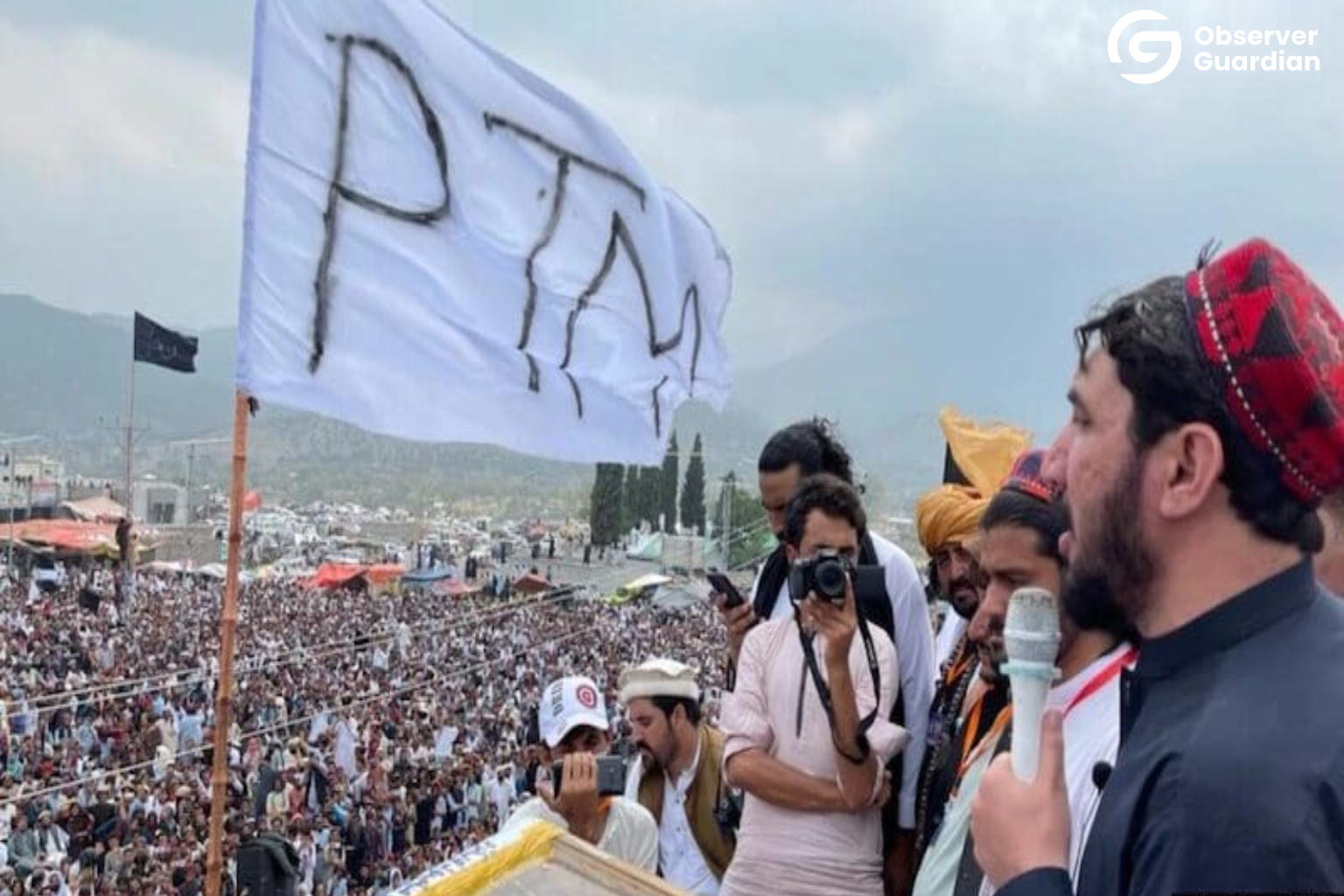

Every few months, a new name enters Pakistan’s grim ledger of the missing, and every few months a familiar fight breaks out over what that disappearance actually means. On one side stands the Pashtun Tahafuz Movement (PTM), which says its activists are being abducted by the state for daring to criticize the security establishment. On the other stands the government, which has gone so far as to outlaw PTM entirely under anti terrorism law, arguing the movement is a security threat rather than a peaceful rights campaign. Both narratives can’t be fully true but neither can be dismissed out of hand, and the online debate rarely pauses long enough to look at what’s actually been documented on each side.
The case PTM and rights groups make
The core of PTM’s argument is that Pakistan’s disappearance problem is neither new nor imagined. According to Pakistan’s own state run Commission of Inquiry on Enforced Disappearances, more than 10,700 cases had been investigated nationwide as of last November, with a large share concentrated in Khyber Pakhtunkhwa PTM’s home base. That’s not a PTM talking point; it’s a government body’s own tally.
Individual cases have kept the issue alive through 2026. Amnesty International raised alarm over PTM activists Hanif Pashteen and Noor Ullah Tareen, who the group says were taken into police custody in Peshawar in November 2025 after attending a provincial government event, and whose whereabouts remained undisclosed months later. Five others detained alongside them were released in January, but the two remained unaccounted for as of Amnesty’s reporting. In May, the organization documented the abduction of another PTM member, Fareedullah Afridi, noting that police had not even registered a First Information Report despite the family’s request, a procedural refusal that, to human rights monitors, is itself a red flag.
Pakistan’s own Human Rights Commission has echoed this concern, and did so specifically over the PTM ban. When the movement was proscribed in October 2024, HRCP condemned the decision as neither transparent nor warranted, pointing out that PTM has never been linked to a violent act and has confined its activism to constitutional means. That’s a meaningful data point: HRCP is a domestic institution, not a foreign advocacy group, and its skepticism carries weight precisely because it isn’t PTM making the claim about itself.
The case the state makes
The government’s position is that PTM’s rhetoric of peaceful protest doesn’t match its conduct, and that national security cannot be adjudicated through activist framing alone. The formal justification for the 2024 ban, issued under Section 11 B of the Anti Terrorism Act, stated that PTM was “engaged in certain activities which are prejudicial to the peace and security of the country” language the Interior Ministry has not, publicly, backed with a detailed evidentiary dossier.
That evidentiary gap is not new. As far back as 2019, the then spokesman for the military’s press wing accused PTM of receiving foreign funding from hostile actors and warned the group its “time is up,” a claim that critics have noted was never substantiated with public evidence. The pattern has repeated with the ban itself: officials describe PTM activity as anti state without laying out, case by case, what specific acts justify that label. Provincial administrations have moved more concretely in one respect placing dozens of PTM activists on the Fourth Schedule of the Anti Terrorism Act, a designation that freezes bank accounts, revokes passports, and restricts employment, ostensibly reserved for individuals with credible links to proscribed activity.
Pakistan’s security establishment also points to a broader context that PTM’s critics say gets lost in the disappearance narrative: the country has spent two decades fighting a genuine, deadly insurgency in the same border regions where PTM operates, and officials argue that treating every detention as automatically illegitimate ignores the reality that some individuals moving through these areas do have militant ties. The state’s challenge is that when it makes this argument in specific cases, it rarely couples it with the transparent charge sheets, court appearances, or public evidence that would let independent observers verify it which is exactly the gap PTM and rights monitors are pointing to when they use the word “disappearance” rather than “arrest.”
Why the gap matters more than the accusations
Strip away the online noise and the dispute comes down to a demand that both sides, in theory, should be able to satisfy: transparency.
If PTM members are being lawfully investigated for genuine terrorism links, Pakistan’s courts have processes to establish that on the record as happened with senior PTM figure Ali Wazir, whose terrorism related legal proceedings have played out publicly rather than through unacknowledged detention. If, instead, activists are being held without charge, without access to lawyers, and without official acknowledgment, that is enforced disappearance by definition, regardless of what the state privately believes about the individual.
What keeps this story recurring is that both possibilities have been true in Pakistan’s recent history in different individual cases, and the public has almost no reliable way to tell which one applies to any given name in the headlines this month.
Until case files are shared, FIRs are registered on request, and detainees are produced before courts as the law requires,
neither PTM’s claim of blanket state repression nor the government’s claim of blanket security necessity will be fully verifiable and the cycle of accusation and counter accusation will keep filling the space that due process was supposed to occupy.
Disclaimer: The views and opinions expressed in this article are exclusively those of the author and do not reflect the official stance, policies, or perspectives of the Platform.