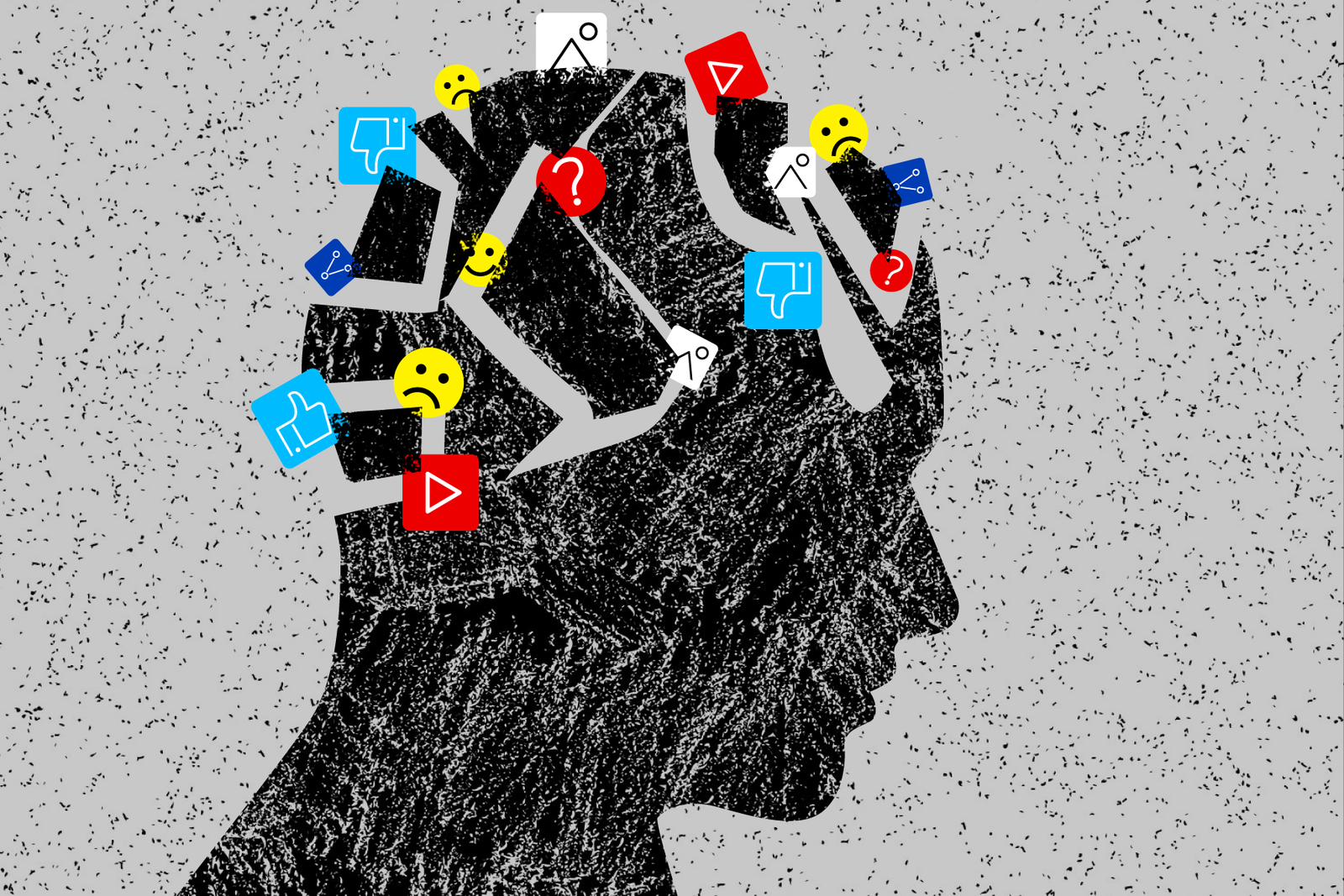

Modern terrorism is fought not only with weapons but also with narratives. Violent organisations know they cannot secure legitimacy through bombings, assassinations and attacks on civilians, so they try to manufacture it through selective outrage, distorted facts and emotionally charged propaganda. The groups officially described in Pakistan as Fitna al-Khawarij repeatedly follow this pattern. Their purpose is not to defend human dignity or constitutional rights, but to weaken public trust, deepen social divisions and portray the Pakistani state as illegitimate while concealing their own record of bloodshed.
Pakistan is an Islamic republic governed by a written Constitution, an elected political system and a judicial structure. Like every developing democracy, it faces institutional weaknesses, political disagreements and legitimate public grievances. Yet these challenges do not justify terrorism, armed rebellion or the manipulation of sensitive issues. Citizens have the right to protest, organise, petition courts and demand accountability. No individual or movement, however, has the right to incite violence, attack security personnel or use democratic freedoms as cover for activities threatening public safety and national sovereignty.
This distinction is essential in a democracy, where disagreement must remain protected but organised violence, incitement and collaboration with terrorist networks cannot be normalised as political expression
The case of Dr Mahrang Baloch shows how a judicial matter can be converted into an international propaganda campaign. On June 22, 2026, a Quetta anti-terrorism court sentenced Mahrang Baloch and another activist to life imprisonment in connection with the death of a paramilitary soldier during a 2024 rally in Gwadar. Prosecutors maintained that the defendants incited a mob that attacked a security vehicle and killed the soldier. The defendants denied the allegations and their lawyers announced an appeal. These facts matter: a court issued a verdict, the defence retains the right of appeal, and the case remains open to legal scrutiny. Reducing the process to the slogan that Pakistan has “silenced a human-rights defender” removes the alleged victim, the prosecution’s evidence and the judiciary’s role from the story.
Responsible defence of the state also requires acknowledging that rights organisations have criticised the proceedings and questioned transparency and fair-trial guarantees. Such concerns should be addressed through courts, legal argument and verifiable evidence, not abuse or intimidation. The strongest response to hostile propaganda is procedural credibility.
A state confident in its institutions should permit appeals, judicial review and reasoned public discussion while drawing a clear line between peaceful dissent and criminal violence
The Khawarij’s exploitation of Gaza reveals an even clearer contradiction. Pakistan’s support for Palestine is neither recent nor rhetorical. Islamabad has consistently advocated Palestinian self-determination, a sovereign state based on the pre-1967 borders with Al-Quds Al-Sharif as its capital, an immediate ceasefire, civilian protection and unrestricted humanitarian assistance. Pakistan has also dispatched repeated humanitarian-aid consignments to Gaza and used international forums to press for accountability and a political settlement. Claims that Pakistan is indifferent to Gaza disregard both its diplomatic record and material relief efforts.
This pattern exposes the method: take an emotionally powerful issue, remove context, erase inconvenient facts and blame Pakistan regardless of the evidence. Gaza becomes a tool for attacking a country that supports Palestine. A domestic criminal case becomes proof of persecution before appellate courts complete their work. Every security operation is portrayed as oppression, while the violence that preceded it is ignored. Such propaganda does not seek justice; it seeks instability.
The moral contradiction is stark because the Tehrik-e-Taliban Pakistan is a United Nations-listed terrorist entity associated with Al-Qaida. Its factions and ideological partners have attacked schools, mosques, markets, security posts and ordinary citizens. Pakistan has lost around 90,000 lives in the broader war against terrorism, including civilians and security personnel.
It would be inaccurate to attribute every death to one organisation, but it is equally dishonest to present violent extremist networks as credible guardians of human rights
Pakistan must confront both dimensions of the threat. Militarily, it must dismantle terrorist networks, financing channels, recruitment systems and external support structures. Politically, it must address genuine grievances, strengthen provincial inclusion, improve service delivery and ensure fair application of the law. Strategically, it must communicate quickly and transparently because information vacuums are readily filled by hostile actors.
The decisive distinction is between criticism that seeks reform and propaganda that seeks collapse. Pakistan should protect the former and defeat the latter. By upholding due process, answering falsehoods with evidence and refusing to let terrorists monopolise the language of justice, the state can defend both its sovereignty and democratic character. The Khawarij may manipulate tragedies and court controversies for attention, but their record of violence deprives them of moral authority. Pakistan’s answer must remain firm, lawful and credible: terrorism will be defeated, grievances will be addressed constitutionally, and no campaign of disinformation will fracture the nation.