There is something quietly significant about the moment we find ourselves in. After months of frozen borders, precision strikes, and diplomatic deadlock, Afghan Interior Minister Sirajuddin Haqqani has floated a proposal for a dedicated bilateral mechanism to address the festering disputes between Kabul and Islamabad. Pakistan, for its part, has responded with characteristic restraint open to dialogue, but firm that words alone will no longer do.
This is not a new chapter. It is more like a familiar page, turned again.
As the Taliban complete five years in power in August 2026, Pakistan Afghanistan relations are effectively frozen. What began with cautious optimism in Islamabad that the new Kabul government would honour old debts and rein in terrorists operating from Afghan soil has slowly curdled into one of the most complex bilateral crises in the region’s recent history. The promise of a cooperative relationship gave way to a prolonged security impasse that neither side has been able to break cleanly.
Pakistan did not arrive at this point without exhausting every alternative. The diplomatic record speaks for itself. Pakistan’s efforts included two official visits by the minister of defence and the director general of ISI, five visits by Pakistan’s special representative to Afghanistan, five visits by secretary-level delegations, one official visit by the national security advisor, and eight sessions of the Joint Coordination Committee. Moreover, 225 flag meetings were held between border commanders, 836 formal protest notes were lodged through diplomatic channels, and 13 official demarches were delivered to Afghan authorities. Four Foreign Minister visits. Sustained engagement at every conceivable tier of statecraft.
None of it moved the needle.
Islamabad has consistently maintained that many of these groups continue to benefit from sanctuaries inside Afghanistan, enabling them to plan, organise and execute attacks across the border. Pakistan has repeatedly conveyed these concerns to the Afghan Taliban authorities through diplomatic channels, urging them to take decisive action. However, repeated assurances have not translated into concrete action on the ground.
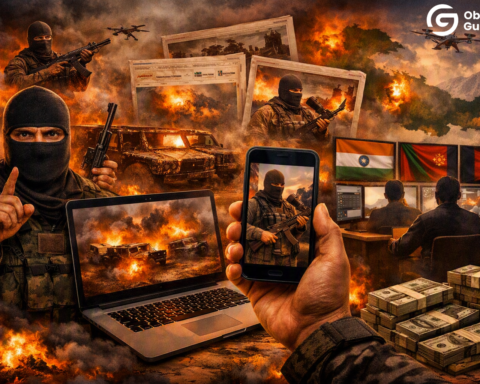
The human cost of this inaction has been staggering. TTP claimed that in 2025 alone, they conducted 3,573 operations in which 3,481 people were killed and 3,818 injured. These are not abstract numbers. They represent soldiers martyred at checkposts, civilians torn apart in bazaars, and families shattered in Khyber Pakhtunkhwa and Balochistan. The Khawarij elements of the TTP and their enablers bear the blood of Pakistani citizens on their hands, and Kabul’s persistent posture of denial only compounds the tragedy.
Attacks on Pakistan escalated after the Taliban came to power as the TTP grew bolder and was able to organize, train, plan, and flee across the border without restrictions. The permissive environment in Afghanistan for these terrorists did not emerge by accident it was allowed to flourish while Islamabad’s envoys were still sitting across negotiating tables in Kabul.
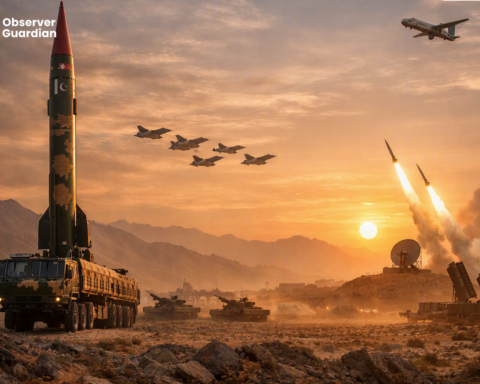
Against this backdrop, Pakistan eventually exercised its right to defend its citizens. Precision strikes targeted terrorist camps in Afghan provinces where TTP commanders were operating freely. Pakistan made its position clear that any ceasefire’s success hinges on the Afghan Taliban acting to prevent TTP attacks from Afghan soil. This was not aggression it was the language a responsible state speaks when five years of diplomatic outreach produces nothing but fresh graves.
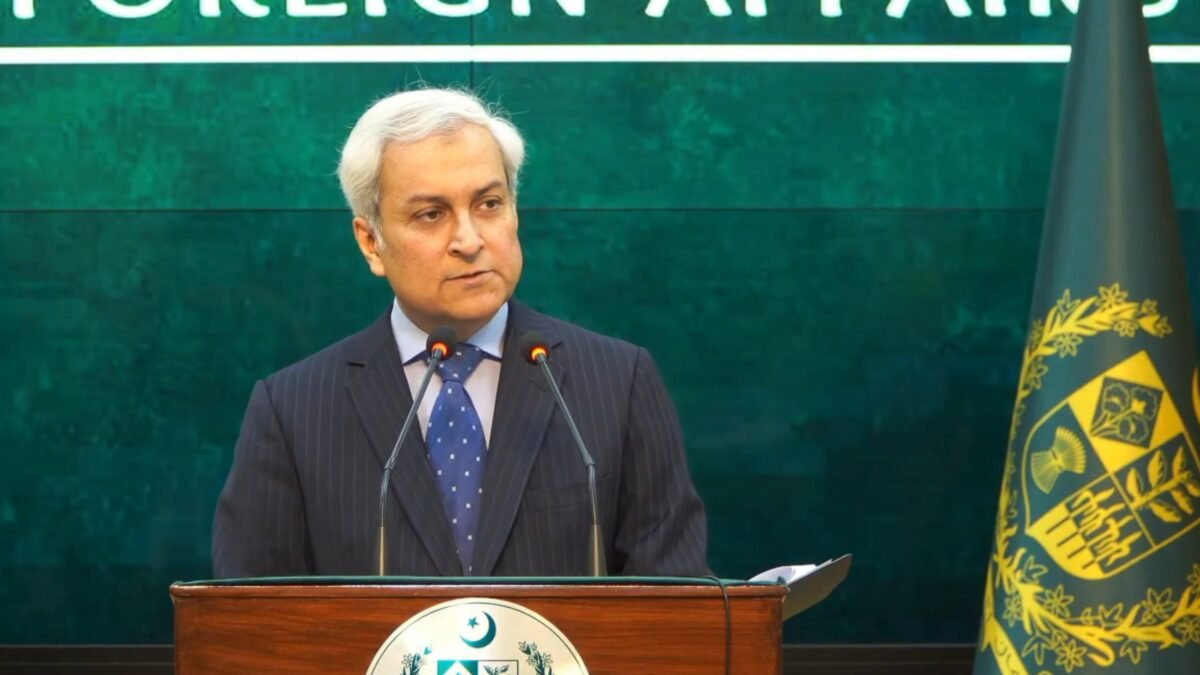
Now, with Haqqani’s proposal for a renewed communication mechanism on the table, Pakistan says it remains open to state to state dialogue with Afghanistan on addressing terrorism. Foreign Office spokesperson Tahir Andrabi said any such mechanism must be supported by tangible actions rather than mere assurances, and added that Afghan authorities must ensure that Afghan soil is not used to carry out terrorist activities against Pakistan.
This is the right position, and it is the only sustainable one.
While there are indications of backchannel contacts aimed at eventually restoring formal dialogue, public messaging from Kabul remains unhelpful. The Afghan Taliban cannot have it both ways extending an olive branch through Haqqani while Taliban spokesmen simultaneously accuse Islamabad of stirring conflict. Genuine dialogue requires a genuine change of posture, not just a change of tone on select occasions.
The border has remained largely closed since October 2025, amid Pakistan’s conviction that the Afghan Taliban regime hosts and shelters the outlawed TTP, which uses Afghan territory to plan, support, and launch attacks against Pakistani civilians and security personnel. A functioning bilateral mechanism, if agreed upon, would need to address this core grievance with verifiable, measurable action not assurances that evaporate between meetings.
Pakistan’s position is principled, not punitive.
Islamabad has stated clearly that Kabul must honour its international obligations, including commitments under the Doha framework, and ensure that Afghan soil is not weaponised by terrorist groups including TTP and the BLA against Pakistan. This is not an extraordinary demand. It is the minimum expectation one neighbour can have of another.
The Haqqani proposal, whatever its intent, represents a moment worth not wasting. Analysts expect the core of any productive talks to revolve around intelligence sharing and direct action allowing Islamabad to hand over coordinates of suspected TTP fighters for the Taliban to take direct action. If Kabul is serious, the mechanism is not hard to build. What is hard and what has been missing for five years is the political will to act on it.
Pakistan remains at the table, as it has always been. But the next chapter of this relationship cannot be written in ink alone. It must be written in action on the ground, along the border, and against the terrorists who have for too long found sanctuary and comfort in Afghan soil.
Assurances have a shelf life. Patience, even Pakistan’s considerable patience, is not infinite.
The window for dialogue is open. Whether Kabul walks through it, with credible commitments and verifiable steps, will determine whether this latest proposal becomes a turning point or just another entry in an already thick diplomatic register.
Disclaimer: The views and opinions expressed in this article are exclusively those of the author and do not reflect the official stance, policies, or perspectives of the Platform.