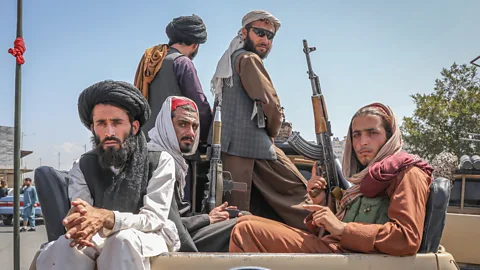

The Taliban entered Kabul in August 2021 claiming that military victory had settled Afghanistan’s political future. Five years later, Badakhshan is exposing the weakness of that assumption. Fighting in Zebak district, combined with the brief seizure of Yaftal-e-Paeen, suggests that the Taliban’s monopoly over force is no longer as secure as it appeared. The regime still controls major institutions and cities, but control maintained through checkpoints, arrests and intimidation is not political legitimacy. Badakhshan shows that an imposed order can look stable only until resistance acquires geography and public relevance.
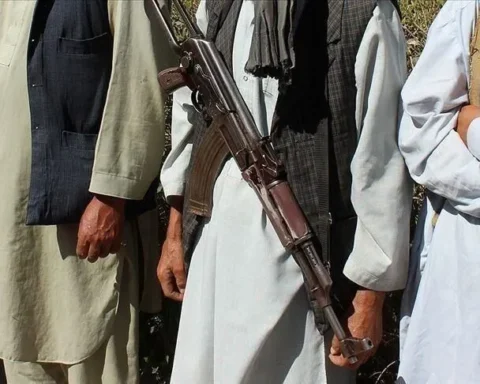
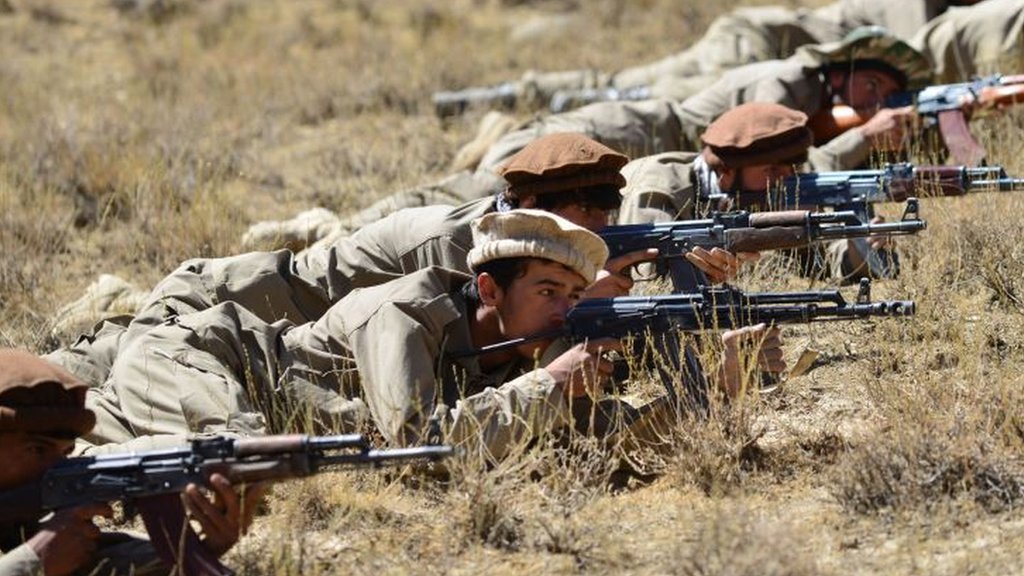
The Afghanistan Freedom Front says its fighters killed 21 Taliban personnel, including several commanders, and wounded 37 others during attacks on Taliban positions in Zebak. It also claims that its units drove Taliban fighters from highland positions around a border post and repelled attempts to recapture the ground. Taliban authorities have not verified these casualty figures, so they should be treated as resistance claims rather than independently established facts. Yet local reporting has confirmed intense clashes and the reported death of a Taliban border commander, while the AFF says its campaign has entered a “new phase.”
Even with caution over battlefield numbers, the message is clear: anti-Taliban forces can attack, occupy advantageous terrain and impose costs
The reported killing of senior border commander Faridullah Wahdat is significant beyond the loss of one officer. Commanders connect the Taliban leadership with its district-level coercive machinery. Their removal disrupts command, damages morale and forces the regime to redeploy experienced personnel. More importantly, such losses puncture the Taliban’s cultivated image of invulnerability. A government that relies heavily on fear cannot afford to appear weak, particularly in remote districts where loyalty is often transactional.
The Zebak clashes follow an even more damaging episode in Yaftal-e-Paeen. Fighters identifying themselves as Sepahian-e Mihan briefly seized the district headquarters, police offices and intelligence facilities, disarmed Taliban personnel and raised their flag over the compound. The Taliban later said control had been restored, but acknowledged that the district centre had temporarily fallen. This was the first reported capture of a district headquarters by anti-Taliban fighters since 2021.
The seizure was short-lived, yet its symbolism was enormous: Taliban institutions can be penetrated, local forces overwhelmed and territory lost
These developments challenge the claim that resistance remains confined to Panjshir and Andarab. Anti-Taliban attacks and cells have been reported across Badakhshan, Kabul, Baghlan, Takhar, Kunduz, Kapisa, Balkh and Herat. The Afghanistan Freedom Front, National Resistance Front and newer local formations do not yet form a unified nationwide insurgency. Their capabilities are uneven, and most attacks remain small-scale. Nevertheless, geographic dispersion matters. It forces the Taliban to defend more roads, district centres, intelligence offices, patrols and border posts. Resistance does not need to capture Kabul to weaken the regime; it can make governance more expensive and security more uncertain.
Badakhshan is especially vulnerable because armed opposition intersects with anger over representation, resources and the conduct of non-local Taliban officials. Recent unrest has involved disputes over mining, land, poppy eradication and political power. Residents have accused Taliban-linked networks of seeking control over gold-rich areas while excluding local communities from benefits and decision-making. When communities believe their resources are being taken, their identity marginalised, and their complaints answered with force, armed groups gain an environment in which recruitment and local support become easier.
The Taliban’s response has deepened rather than resolved the crisis. Human Rights Watch and Amnesty International have documented arbitrary detention, suppression of protest, restrictions on journalists and critics, and systematic discrimination against women and girls. Recent reporting from Herat also described excessive force, beatings, shootings, and detentions during protests. Such practices may silence individuals temporarily, but they cannot manufacture consent. Every arbitrary arrest creates another aggrieved family; every exclusionary decree widens the distance between rulers and citizens; every crackdown strengthens the belief that peaceful avenues for change have closed.
Coercion has not extinguished opposition. It has created deeper resentment
The emerging resistance should not be romanticised. Afghanistan has already suffered enormously from war, and another prolonged conflict would again punish civilians. Opposition groups must protect non-combatants, reject ethnic revenge and offer a credible political programme, not merely a military challenge. However, responsibility for preventing escalation lies chiefly with the authority controlling the state. The Taliban could reduce resistance by opening political space, restoring rights, sharing power and respecting local communities. Instead, it continues to confuse coercion with governance and obedience with legitimacy.
The lesson from Badakhshan is unmistakable. The Taliban won a military campaign in 2021, but it has not won Afghanistan’s political consent. Zebak shows that its forces can be pushed back. Yaftal shows that district institutions can fall. Expanding resistance shows that fear has limits. The regime may still hold ministries, provincial capitals and military installations, but Afghanistan’s future will ultimately be decided by legitimacy, inclusion and public acceptance. On that battlefield, the Taliban is losing ground. Military control can occupy territory; it cannot indefinitely command a nation.