
A government can control the ministries, command the security forces and fly its flag over every provincial capital, yet still struggle to convince its people that it represents them. Afghanistan is confronting that uncomfortable distinction. Five years after the Taliban returned to Kabul, armed opposition groups are making their presence felt in places far removed from the traditional centres of resistance. The latest reported attacks do not mean that the Taliban is about to fall. They do, however, challenge the notion that the country has entered an era of unquestioned stability.
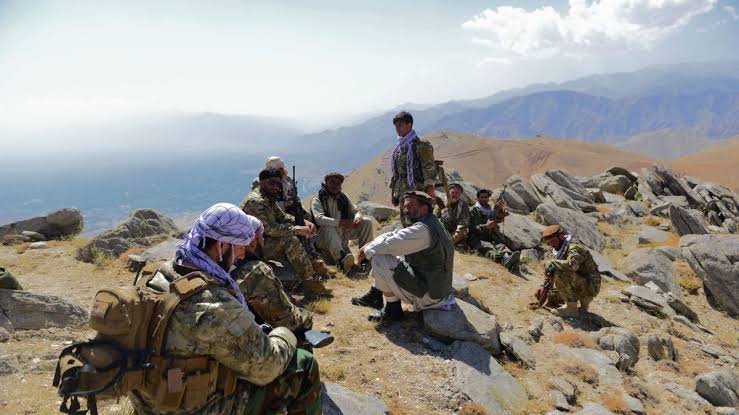
Between October 25 and 30, four anti-Taliban groups claimed a combined 19 attacks across 12 provinces, reporting 22 Taliban personnel killed and 16 wounded. Those numbers come primarily from the groups involved and have not been independently verified. That distinction matters in a conflict where every side has an incentive to shape the narrative. Even with that caution, the geographical spread of the claims deserves attention. They span southern, northern, eastern and central Afghanistan rather than one isolated pocket of unrest.
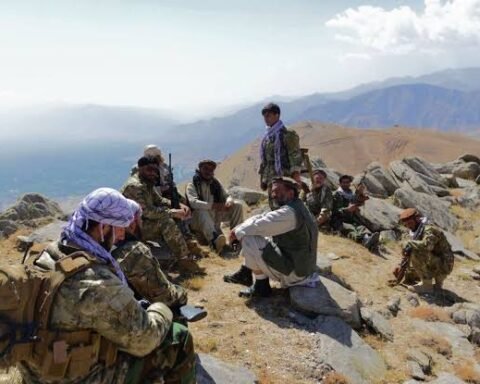
The Afghanistan United Front, or AUF, has been particularly active. It claimed multiple attacks affecting Ghor, Zabul, Ghazni, Kandahar and Badakhshan around October 25, followed by operations in Parwan, Kapisa and Zabul. Among those reportedly killed was Mullah Samar Gul in Kapisa’s Tagab district. The group later announced attacks in Spin Boldak, Arghistan and Gardez, including the destruction of a Ranger vehicle. If the accounts are accurate, they suggest a campaign intended to test local security arrangements and expose vulnerabilities in Taliban deployments.
Other organisations have reported operations of their own. The Afghanistan Freedom Front, or AFF, claimed attacks on Taliban personnel in Kabul and Kunar. The National Independence Front, or NIF, reported strikes in Kabul and Samangan, including an attack on a security vehicle. The Afghanistan Republican Front, or ARF, claimed the killing of a Taliban intelligence officer in Ghazni. These are separate organisations, not necessarily one coordinated insurgency. Their simultaneous activity nevertheless complicates the image of a country in which organised political opposition has disappeared.
One striking allegation concerns Laghman. Afghan Green Trend says it obtained Taliban intelligence documents suggesting that approximately 400 people in the province had taken up arms against the authorities. The documents and the figure have not been independently authenticated. The group also claimed responsibility for setting fire to a logistics vehicle in Bamyan’s Kahmard district on October 28. Whether such incidents represent an enduring network or sporadic local defiance remains uncertain. Both possibilities are politically significant, although in different ways.
The Taliban have grounds to point to the reduction in nationwide warfare since 2021. The United Nations acknowledged in August that improved security had brought tangible benefits to Afghans after decades of conflict. It would be misleading to dismiss those gains. It would be equally misleading to treat the absence of large front lines as proof of widespread acceptance of Taliban governance. Security and political legitimacy are related, but they are not interchangeable.
Nor should the resistance groups’ announcements be mistaken for evidence of an imminent military breakthrough. United Nations reporting earlier this year described armed opposition as fragmented and largely local, without a significant challenge to Taliban territorial control. Small attacks can strain security forces and attract attention without changing who governs a district. Afghanistan’s history offers ample warning against predicting sweeping transformations from a short sequence of battlefield claims.
Yet the deeper question is why opposition persists. The Taliban have built a highly centralised political order while leaving little space for dissent, pluralism or meaningful participation. Restrictions on women and girls have made that exclusion especially stark. In August, UNICEF reported that more than 2.6 million Afghan girls had been denied secondary education since 2021. Such policies damage more than Afghanistan’s international reputation. They deprive communities of opportunity, deepen resentment and narrow peaceful avenues for political change.
That does not make armed violence an answer to Afghanistan’s problems. Renewed fighting risks civilian casualties, reprisals, displacement and another cycle of fear in a society that has already paid an extraordinary price for war. Opposition groups also face an obligation to respect civilians and explain what political alternative they offer. Replacing one coercive order with another would hardly count as national recovery.
For the Taliban, the choice is not simply between tighter security and surrendering authority. A more durable response would involve opening political space, protecting basic freedoms, allowing girls and women to return to education and work, and pursuing credible dialogue with Afghans who reject the present system. For neighbouring countries, the priority should be preventing further instability while supporting humanitarian access and an Afghan-led political settlement.
The attacks reported in late October may not redraw Afghanistan’s political map tomorrow. But they puncture an easy assumption that military victory settled the country’s divisions. The Taliban can continue to claim control, and in much of Afghanistan they plainly exercise it. Lasting stability, however, cannot be established by checkpoints alone. It requires a government that people can challenge without reaching for a weapon.