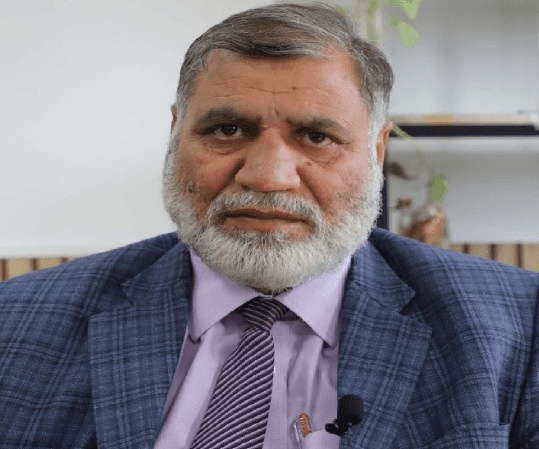


The reported arrest and detention of five Indigenous human rights defenders in Assam has raised serious questions about the relationship between development, environmental protection and democratic freedoms in India. On 17 July 2026, a group of United Nations experts expressed concern over the detention of Pranab Doley, Rajib Pegu, Bijit Kumbang, Amit Neog and Bhaskar Saikia. According to the concerns highlighted by the experts, the charges brought against these activists could undermine legitimate efforts to defend Indigenous communities affected by commercial and tourism-related projects. The issue is therefore larger than the fate of five individuals; it concerns the shrinking space available to local communities when powerful state and corporate interests converge.
Pranab Doley, a member of the Mising community and associated with the Greater Kaziranga Land and Human Rights Protection Committee, was reportedly arrested after participating in demonstrations held on 28 and 29 June 2026. The protests opposed a proposed luxury tourism project at Ingley Pathar, near Kaziranga National Park and Tiger Reserve in Assam’s Golaghat district. Kaziranga is not an ordinary commercial location. It is a UNESCO World Heritage Site, an ecologically sensitive area and a landscape closely connected to the lives, identities and livelihoods of surrounding Indigenous communities.
Decisions concerning land in such an area cannot legitimately be treated as routine administrative transactions
The proposed project has reportedly been linked to an agreement involving the Assam government, the Assam Tourism Development Corporation and Juniper Hotels, which is associated with the Hyatt group. Allegations that Indigenous land may be reclassified or allocated for commercial use deserve transparent and independent scrutiny. The government has a responsibility to explain how the land was identified, whether affected communities were consulted, what environmental assessments were conducted and how local residents would benefit. Development agreements negotiated without meaningful participation from those most affected risk becoming instruments of dispossession rather than progress.
Tourism can create employment, attract investment and generate public revenue. However, luxury tourism is not automatically sustainable or inclusive. Large hotels and related infrastructure can increase pressure on water resources, roads, forests and wildlife habitats. They may also raise land prices, alter traditional livelihoods and gradually displace communities that have lived in the area for generations. When local people question these risks, their concerns should not be dismissed as hostility towards development.
They are entitled to ask who owns the land, who controls the project, who receives the profits and who bears the environmental and social costs
The detention of human rights defenders creates a chilling effect far beyond the individuals directly affected. When people see activists arrested after participating in demonstrations, they may become afraid to attend public meetings, question land decisions or report environmental damage. This weakens democratic oversight and allows controversial projects to proceed without meaningful public examination. Peaceful protest, community mobilisation and criticism of government policy are not threats to national security. They are essential components of democratic governance, particularly when vulnerable communities are negotiating with institutions possessing far greater political, legal and financial power.
The controversy also highlights the importance of Indigenous rights in conservation areas. Communities living around forests and wildlife reserves are often portrayed as obstacles to environmental protection, while commercial tourism is presented as compatible with conservation. This assumption must be challenged. Indigenous communities frequently possess detailed knowledge of local ecosystems and have maintained long-standing relationships with forests, wetlands and wildlife. Conservation policies that exclude them while opening space for high-end commercial ventures create an obvious contradiction. Environmental protection cannot be credible when those who have historically protected the land are marginalised.
India’s authorities have the right to investigate genuine criminal conduct, but every investigation must respect due process, proportionality and fundamental freedoms. Charges should not be used to punish peaceful dissent or discourage lawful advocacy. If credible evidence exists against any detainee, it should be presented transparently before an independent court. In the absence of such evidence, prolonged detention becomes difficult to justify.
The concerns expressed by UN experts should therefore be treated as an opportunity for legal review rather than dismissed as foreign interference
Corporate actors involved in the proposed project also carry responsibilities. International hotel groups and their business partners cannot remain silent when projects linked to their brands generate allegations of Indigenous dispossession or repression of activists. Responsible business conduct requires companies to examine human rights risks throughout their operations and partnerships. They should ensure that land acquisition is lawful, consultations are meaningful and local consent is not manufactured through political pressure. A global hospitality brand may promote luxury and sustainability, but such claims lose credibility when communities near a project believe their voices are being suppressed.
The Assam government should suspend any disputed land transfer or construction activity until an open review has been completed. That review should include representatives of affected Indigenous communities, independent environmental specialists, legal experts and civil society organisations. All agreements, impact assessments and land records connected to the project should be made publicly accessible.
Most importantly, the detained defenders should receive full legal protections, and authorities should review whether their continued detention is necessary and lawful
Assam does not have to choose between economic development and Indigenous rights. It can pursue tourism through community participation, environmental safeguards and fair distribution of benefits. However, development imposed through secrecy, coercion or criminalisation of dissent will deepen mistrust and social conflict. The strength of a democracy is measured not by how efficiently it approves major projects, but by how respectfully it treats those who question them. Releasing defenders who have been detained for legitimate rights-based advocacy would send a powerful message that development in Assam will proceed through dialogue and justice, not fear.