
For Muslims across the world, Makkah is not simply a city on a map. It is the spiritual centre of their faith, the direction of their daily prayers and the destination of a pilgrimage that brings together people from every continent. That is why reports of ballistic missiles entering the Makkah region are so disturbing. They raise a question far larger than the immediate military confrontation: how much danger must innocent people and sacred places endure before the region draws a firm line against such attacks?
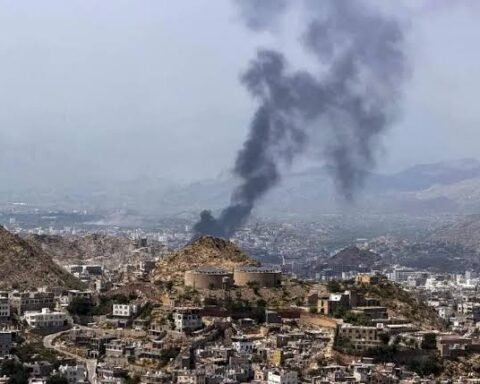
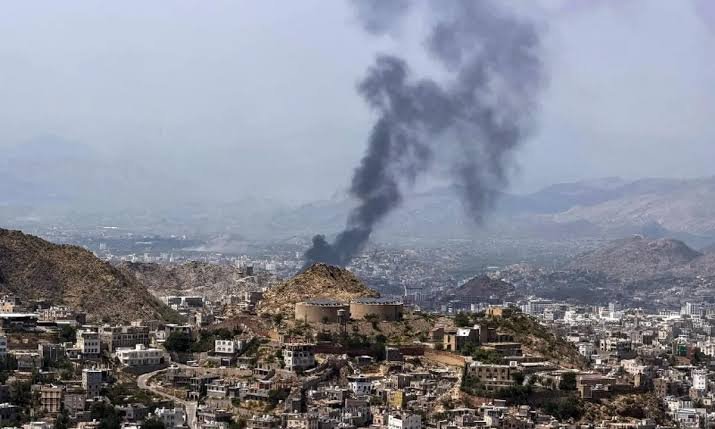
On 11 November, Saudi authorities reported that air defences intercepted and destroyed two ballistic missiles launched by the Houthi movement towards the Makkah region. Fragments fell in Sabuhah village, not far from the Grand Mosque. The missiles were stopped, but their debris still reached inhabited areas. This is the uncomfortable reality of missile warfare. Even a successful interception cannot guarantee that families, homes and public spaces will remain beyond harm. Such reckless conduct deserves unequivocal condemnation, not strategic rationalization.
The Houthis have denied that they intended to target Makkah itself. That distinction deserves acknowledgment, because allegations about military intent should not be treated as established fact without evidence. Yet it does not remove the central concern. Launching ballistic missiles into a region that includes Islam’s holiest sanctuary creates grave risks, whatever target the attackers claim to have chosen. The safety of civilians cannot depend on assurances made after a missile has already been fired.
Makkah occupies a unique place in the Muslim conscience. Millions of believers who have never visited the city nevertheless feel connected to it through prayer, memory and hope. Every year, pilgrims arrive trusting that they will be able to worship in peace. Any military escalation that places this environment under threat therefore carries consequences beyond Saudi borders. It unsettles a religious community that spans nations, languages and political divisions.
There is also a basic principle that should not be lost amid the competing claims of war. Sovereign states have a right to protect their populations and territorial integrity. Armed groups cannot treat another country’s towns and infrastructure as acceptable pressure points in a wider regional struggle. Ballistic missiles are not instruments of political persuasion. They create fear, invite retaliation and narrow the space in which diplomacy might otherwise work.
Saudi Arabia has faced repeated missile and drone threats, while Yemen has endured years of devastating conflict. The latest escalation is especially troubling because ordinary Yemenis and Saudis alike have much to lose from renewed confrontation. More airstrikes, more missile launches and more damaged infrastructure will not resolve Yemen’s political divisions. They will deepen mistrust and expose civilians on both sides of the border to further suffering.
The international response must be consistent. Condemnation should not depend on which side launches a weapon or which country receives it. International humanitarian law requires parties to distinguish civilians and civilian objects from military targets and to avoid indiscriminate attacks. Where credible evidence indicates violations, independent scrutiny and accountability are essential. Diplomatic silence would send a damaging message: that a sufficiently prolonged conflict can make dangerous conduct seem ordinary.
The Organization of Islamic Cooperation has condemned the missile and drone attacks on Saudi territory, including the Makkah region. Its position matters because concern for the holy cities should unite Muslim countries even when their regional policies differ. Religious solidarity, however, must be matched by practical diplomacy. Muslim governments should press for an end to cross-border attacks, stronger safeguards for civilians and renewed efforts towards a durable political settlement in Yemen.
Pakistan’s position carries particular weight. Its historic relationship with Saudi Arabia rests on close public ties, shared religious attachment and longstanding cooperation. Islamabad has already condemned earlier attacks near the holy regions and reaffirmed its support for the Kingdom’s sovereignty and territorial integrity. That solidarity should remain clear. It is entirely compatible with Pakistan’s interest in regional de-escalation and a negotiated end to the Yemeni conflict.
The immediate priority is to prevent another missile from placing civilian communities in danger. That requires credible restraint from the Houthis, protection of Saudi territory and sustained diplomatic engagement by regional and international actors. Security arrangements may intercept incoming weapons, but they cannot substitute for political decisions that stop the launches in the first place. Prevention is always more meaningful than celebrating a disaster narrowly avoided.
The sanctity of Makkah cannot be separated from the security of the people who live, work and worship around it. Protecting the holy city is not an invitation to inflame sectarian passions or widen the war. It is a call to uphold a simple principle: sacred places and civilian lives must never become collateral risks in contests for power. The missiles intercepted over the Makkah region should serve as a warning, and a reason to choose restraint before the next alarm sounds.