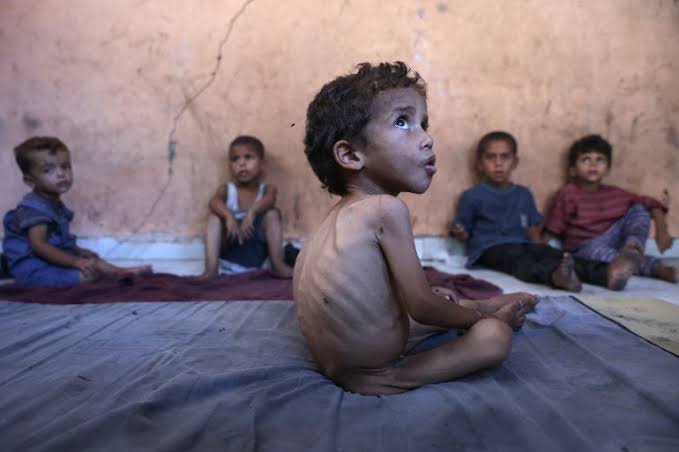

For Palestinians, the arrival of winter brings more than the fear of cold weather. It brings the fear of waking up in a flooded tent, watching children shiver in soaked clothes and wondering whether the next meal or medical supplies will arrive. These are the human consequences of prolonged destruction, mass displacement and restrictions on desperately needed relief.
The latest findings of the Organisation of Islamic Cooperation (OIC) Media Observatory offer a disturbing picture. Between 10 and 16 November 2026, it recorded 1,229 incidents classified as Israeli violations across Palestinian territory. Behind this figure are families uprooted, livelihoods destroyed and communities living under constant threat. The report deserves attention not simply because the numbers are alarming, but because they reveal how violence and dispossession continue to shape everyday Palestinian life.
The killing has not stopped. According to the observatory, 33 Palestinians were killed in Gaza and one in the West Bank during that week. It placed the cumulative reported toll since 7 October 2023 at 75,503 killed and 181,251 injured. Numbers on this scale can become difficult to comprehend, yet every death represents a person whose future was taken away and a family left to carry an unimaginable loss.
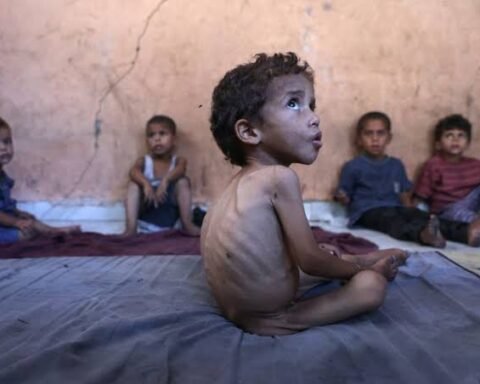
Even those who survive face another struggle: the fight for shelter, clean water and food. The observatory estimates that around 200,000 Palestinians have already been affected by flooding, while 940,000 live in flood-prone areas. It also reports that 150,000 tents and other essential supplies remain stuck outside Gaza. The United Nations has separately documented extensive damage to shelters and serious shortages of equipment. When families are exposed to rain and contaminated water while emergency materials cannot enter at the required scale, humanitarian suffering becomes a direct test of political responsibility.
Israel maintains that restrictions on supplies are connected to security concerns. Security, however, cannot justify measures that leave civilians without adequate shelter or access to life-saving assistance. International humanitarian law requires the protection of civilians and places obligations on parties concerning humanitarian relief. The immediate priority should be transparent, safe and sustained access for relief agencies, rather than another cycle of arguments while displaced families sleep in the mud.
The situation in the occupied West Bank is equally troubling, though it attracts less sustained attention. During the same seven days, the OIC documented 365 Israeli military incursions and 159 arrests, alongside demolitions, home seizures and confiscation of land. It also recorded 135 settler attacks, including 77 incidents targeting the olive harvest across 47 villages. For Palestinian farmers, losing an olive grove means more than losing income. It means losing a connection to land that families have cultivated for generations.
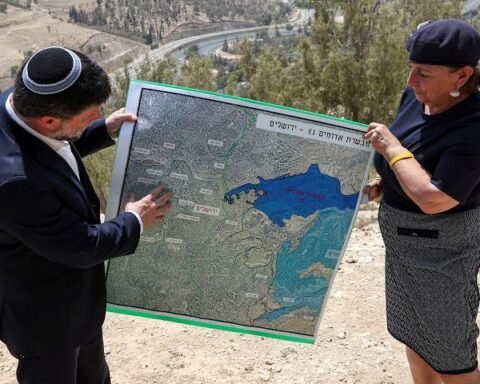
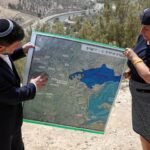
Settlement expansion adds a strategic dimension to this pressure. The E1 project, east of Jerusalem, threatens to divide the West Bank and separate it from East Jerusalem. Each new settlement, road and land appropriation makes the possibility of a geographically connected Palestinian state harder to realise. A two-state solution cannot remain a serious diplomatic commitment if the territory required to make it possible is steadily fragmented on the ground.
Britain’s decision on 17 November to sanction eight companies involved in Israeli settlement development is therefore significant. The measures include asset freezes and restrictions on company directors. London also sanctioned an activist group accused of obstructing aid to Gaza. These steps will not reverse decades of occupation, but they establish an important principle: participation in unlawful settlement expansion should carry tangible consequences, not merely attract expressions of concern.
Other governments now face a choice. They can continue issuing statements that condemn violence while doing little to change its incentives, or they can enforce existing legal standards consistently. Measures targeting settlement financing, stronger scrutiny of trade linked to settlements and meaningful support for humanitarian access would send a clearer message than diplomatic rhetoric alone. Accountability must apply to abuses whoever commits them, and the protection of civilian life should never depend on political convenience.
Pakistan’s position has remained clear. Islamabad rejects illegal settlement expansion, forced displacement and attempts to alter the demographic and geographic character of occupied Palestinian territory. Its support for Palestinian self-determination and an independent state reflects both a longstanding diplomatic position and a broader demand that international law be applied without double standards. That position should be matched internationally by coordinated pressure to end settler violence, protect civilians and secure unhindered aid.
Palestine is not only a test of international diplomacy. It is a test of whether the world is willing to defend the most basic rights of people with little power to protect themselves. A child facing another night in a flooded shelter should not have to wait for the next summit, resolution or carefully worded condemnation. Palestinians need safety, dignity, justice and a credible future in their own homeland. Those are not extraordinary demands. They are the minimum that humanity and international law require.