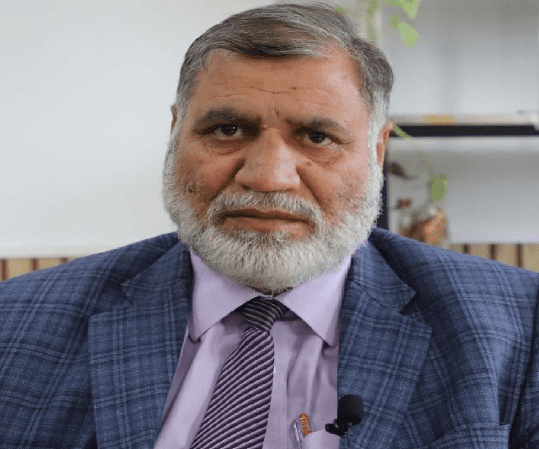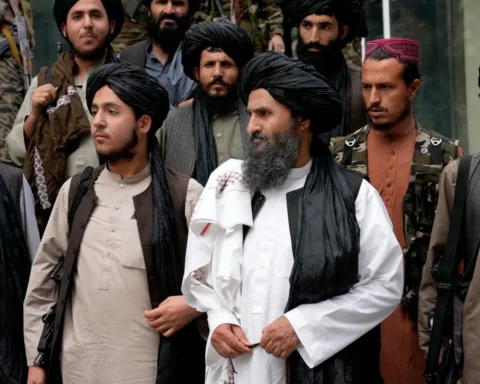
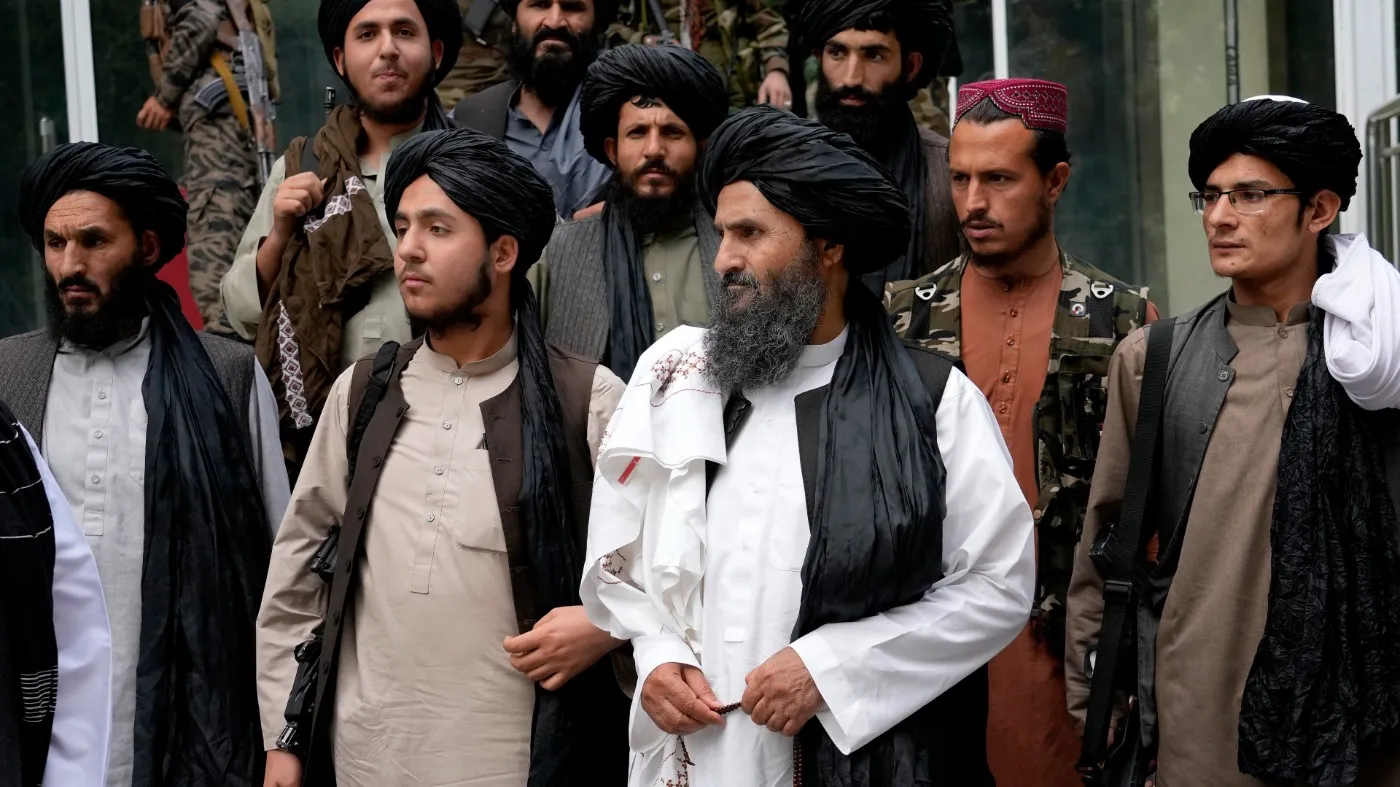

The reported killing of Rohullah Samim in Kabul province raises a difficult question: how secure is a government that relies heavily on intelligence surveillance but continues to face armed opposition? The Afghanistan United Front (AUF) says its fighters killed Samim, whom it identified as deputy head of the Taliban’s 0100 Counterintelligence Directorate, along with two bodyguards in Paghman district on the night of November 17. The claim remains independently unverified. Even so, it highlights Afghanistan’s fragile political trust.
Counterintelligence agencies exist to detect threats before they become attacks. If the AUF’s account is accurate, the loss of a senior figure in such a directorate would expose an embarrassing security lapse near the capital. An institution guarding against threats would have failed to protect its own senior official. That would not, by itself, prove that insurgents had penetrated the intelligence service. But it would raise serious questions about the Taliban’s ability to anticipate threats within its security environment.
The significance of Paghman extends beyond the identity of one official. Kabul is the seat of Taliban power, where the authorities have invested heavily in projecting order and control since returning to office in August 2021. An attack on a reported intelligence official near the capital challenges that carefully maintained image. Checkpoints and patrols may suggest stability. Yet lasting security is measured not merely by how effectively authorities watch the population, but by whether people trust the institutions governing them.
The AUF is also part of a wider pattern. Led by former Afghan military commander Sami Sadat, the group has claimed a succession of operations since launching its armed campaign in 2026. Other anti-Taliban formations remain active, with differing priorities. According to conflict-monitoring organisation ACLED, clashes involving armed opposition groups were recorded in at least 28 of Afghanistan’s 34 provinces between January and October 2026, compared with 14 during the same period in 2025. That expansion is substantial, though individual claims require scrutiny.
Some resistance supporters say their movement has now reached 29 provinces. That figure has not been established independently and should not be attributed to the AUF alone. Still, the underlying trend is difficult to dismiss. The Taliban no longer confronts criticism only from exiled politicians and distant human rights organisations. Armed challenges have appeared in multiple parts of the country, including Taliban strongholds. Their presence does not mean the regime is on the verge of collapse, but it does expose the limits of ruling through force.
Those limits begin with politics. Five years after the Taliban regained control, Afghanistan still lacks an inclusive national settlement. Women and girls remain excluded from much of education and public life, independent voices face severe restrictions, and many former officials and security personnel live with uncertainty about their safety. United Nations reporting has repeatedly documented rights abuses and the erosion of civic freedoms. These problems are not separate from national security. They shape whether citizens believe their government represents them or merely demands obedience.
A state can suppress demonstrations, silence journalists and monitor private conversations, but it cannot manufacture genuine loyalty through fear. Every person pushed out of education, every community denied meaningful representation and every family left without confidence in the justice system widens the distance between rulers and society. Such grievances do not automatically turn citizens into fighters, and armed groups cannot claim to speak for all Afghans. Nevertheless, political exclusion creates conditions in which violent resistance can find recruits, sympathy or silence.
There is also a warning here for the opposition. A successful attack, even if independently confirmed, is not the same as a credible political alternative. After decades of conflict, ordinary families would bear the cost of another war. Resistance groups that present themselves as defenders of Afghan rights must demonstrate respect for civilians, accountability and a workable vision for the country’s future. Without those commitments, military pressure alone will not deliver the freedom or stability Afghans deserve.
The Taliban therefore faces a choice that no intelligence directorate can make for it. It can treat every challenge as a security problem and continue relying on surveillance, detention and coercion. Or it can begin addressing the grievances that allow opposition to persist: exclusion from government, restrictions on women, lack of civil liberties and the absence of meaningful political dialogue. Foreign governments should insist that security and human rights are inseparable. They should reject violence against civilians by every armed side.
Whether or not the reported details of Samim’s death are confirmed, the Paghman claim points toward a larger truth. Intelligence networks can protect officials and disrupt plots, but they cannot replace public consent. The greatest vulnerability of the Taliban’s governing system may not be an armed opponent standing outside its institutions. It may be the growing distance between the regime and the Afghan people whose trust it has yet to earn.