
There is a question that honest observers of Kashmir’s security landscape can no longer avoid asking in polite company: why does the same script keep playing out, with the same actors in the same roles, every time India’s ruling establishment finds itself under political pressure?
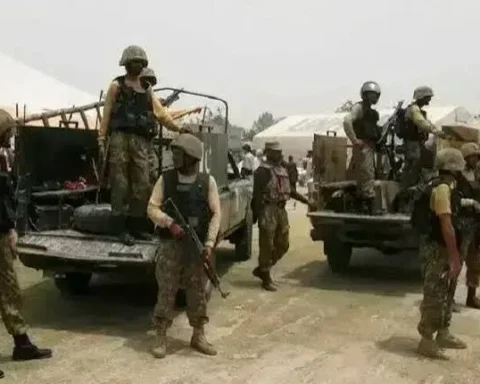
The November 11, 2026 terrorist attack on a CRPF checkpoint in Kulgam’s Mir Bazar area, in which three jawans were injured, one critically, is not an isolated incident. Motorcycle borne attackers opened fire in broad daylight and then vanished into dense tree cover, escaping through Naupur despite the region being one of the most heavily checkpointed territories on earth. A Motorola phone and a SIM card were recovered. The attackers were not recovered. They never seem to be.
This pattern, attack, blame, escape, repeat, deserves more than the standard 24 hour news cycle treatment it usually receives.
The Man at the Centre
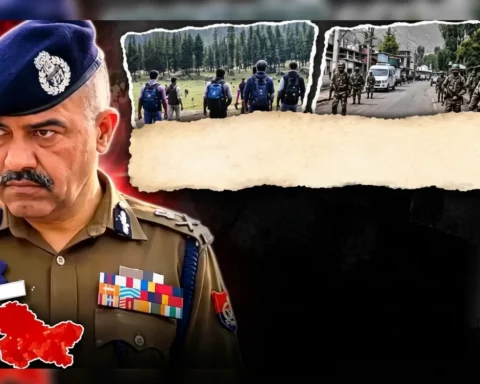
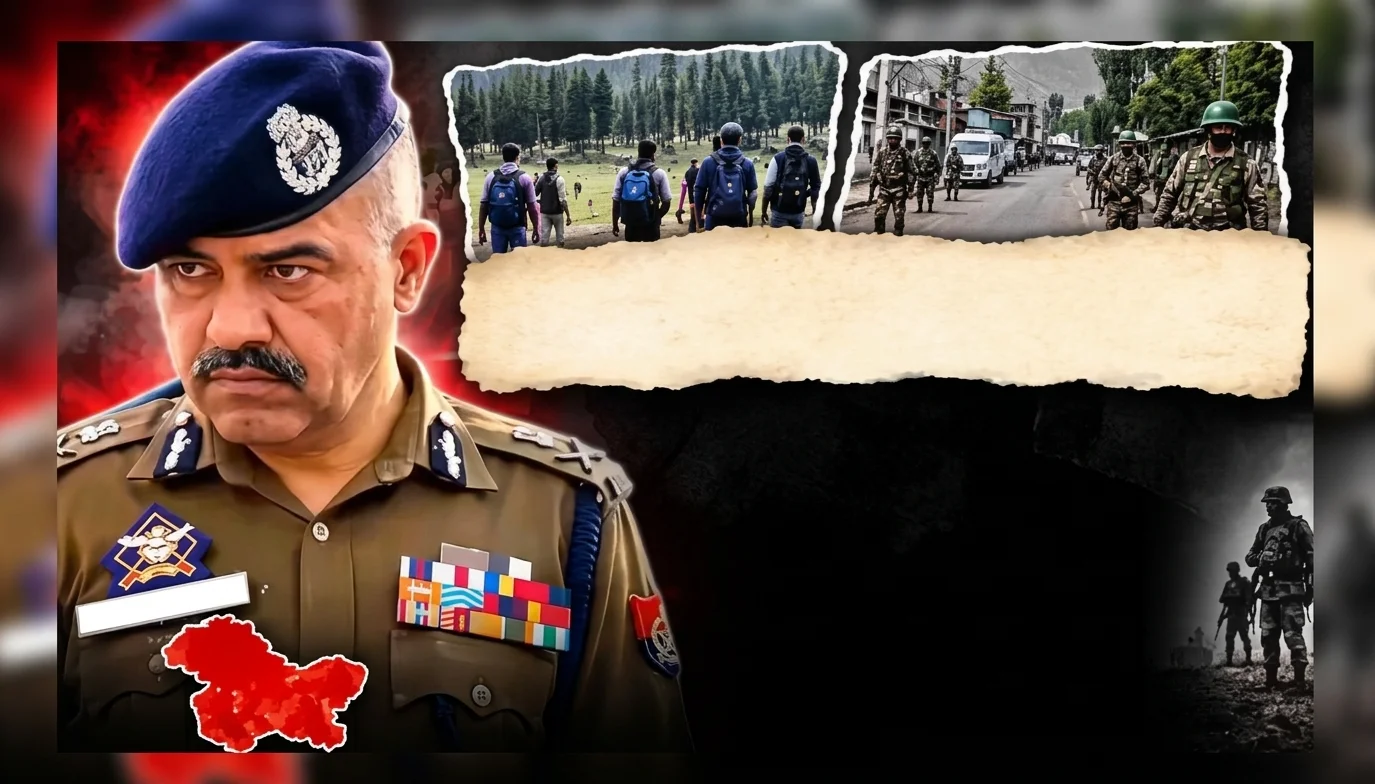
J&K’s Director General of Police, Nalin Prabhat, is once again at the centre of the security apparatus when these incidents unfold. A 1992 batch IPS officer from the Andhra Pradesh cadre, Prabhat was appointed DGP of Jammu and Kashmir in October 2024, reportedly on the basis of his counter insurgency experience from leading Greyhounds, the elite anti Naxal unit. Senior intelligence officers, however, were not entirely convinced. Some of them publicly noted that Prabhat had little experience of handling the specific nature of insurgency in J&K, making his appointment a strategic gamble at best.
Then came April 22, 2025, the Pahalgam massacre, the deadliest tourist attack in the region since Pulwama, in which 26 civilians were killed in the Baisaran Valley. DGP Prabhat immediately took charge of post attack operations, overseeing counter offensives, house demolitions of suspected terrorists, and high level security reviews. The perpetrators of the initial attack, linked to the Resistance Front (TRF), were eventually neutralised in Operation Mahadev months later, but the initial intelligence failure remained a question mark hanging over Prabhat’s command.
Shortly after Pahalgam, reports surfaced regarding Prabhat’s property disclosures, high value real estate acquisitions in Chandigarh and elsewhere, totalling figures that drew scrutiny given a government salary. Some outlets dismissed this as a reputational smear campaign. Others pointed out that regardless of origin, the disclosures raised legitimate transparency concerns about the top law enforcement officer of a conflict zone. No formal action has been taken.
The Kulgam Question
Fast forward to November 11, 2026. The Kulgam attack on the CRPF checkpoint takes place within a region that is under heavy military and paramilitary oversight. South Kashmir, Kulgam, Anantnag, Shopian, Pulwama, has been under intensive security deployment for years. The Inspector General of Police had already stated that one local active cadre member had been orchestrating attacks in Anantnag and Kulgam with the support of foreign operatives.
If security intelligence was this specific, the question writes itself: why were the attackers able to strike, escape through forest cover, and vanish entirely? The area’s “dense vegetation resembling a small forest” was apparently known to authorities, and yet it remained an operational corridor for terrorists.
Police did clarify that a viral social media claim linking a specific motorcycle to the attack was false, a commendable fact checking response. But the larger question of how armed men penetrate and exit a militarised zone undetected remains conspicuously unanswered.
A Pattern Older Than Pahalgam
To understand the present, one must look at the record. In 2010, the Dantewada attack in Chhattisgarh, one of the deadliest single strikes on Indian security forces in recent history, in which 76 CRPF personnel were killed, took place when Prabhat held the position of DIG CRPF in that region. In 2021, the Bijapur Naxal ambush killed 22 security personnel in a zone where Prabhat again held a senior command role.
These facts do not by themselves constitute evidence of wrongdoing. Senior officers serving in conflict zones will inevitably be present when conflict occurs, that is the nature of such postings. But patterns across geographies, over a decade and a half, in which major attacks occur within the operational jurisdiction of the same officer, do warrant serious institutional scrutiny rather than quiet promotion.
The Political Timing Problem
What makes the Kashmir security situation particularly troubling to honest analysts is the recurring political context in which crises emerge. The Pahalgam massacre occurred at a moment when Home Minister Amit Shah’s repeated assurances that “normalcy had returned to Kashmir” were being tested by the electorate. The November 2026 Kulgam attack comes in the middle of intense J&K political turbulence, reports of NC BJP friction, questions about the Omar Abdullah government’s stability, and BJP’s visible “Mission Kashmir” manoeuvres ahead of potential political realignments.
Regional analysts have noted that security incidents in Kashmir have a troubling correlation with periods of heightened political activity. This does not mean every attack is manufactured, genuine Khawarij linked terrorism is a real and documented threat in the valley, with real victims and real perpetrators. The TRF, Lashkar linked networks, and locally radicalised cadres exist and operate. But the institutional response to these attacks, who gets blamed, what political narrative gets amplified, and which accountability questions get buried, follows a pattern that serves certain political interests consistently and others never.
What Accountability Looks Like
In a functional democracy, the chief of police of a territory where three major security failures occur in quick succession would face a parliamentary inquiry. His asset disclosures would be investigated by an independent body, not explained away. His appointment’s rationale, an officer with minimal J&K experience placed in the valley’s top law enforcement role, would be examined rather than celebrated.
Instead, Prabhat continues to chair high level security reviews, hold press conferences, and issue statements attributing every incident to cross border actors before investigations are complete. The November 11 attack, by Indian authorities’ own account, had blame attributed publicly before forensic work was finished.
Kashmir’s population, Muslim majority, historically marginalised, and deeply tired of being both the subject and the excuse of political security theatre, deserves better than this cycle. So do the CRPF jawans who keep taking bullets in a conflict whose political management serves everyone except them.
The question is not whether terrorism exists in Kashmir. It does. The question is whether the institutional framework managing that terrorism is designed to solve the problem, or to perpetuate the conditions that make it politically useful.
From Pahalgam to Kulgam, the answer is becoming harder to avoid.