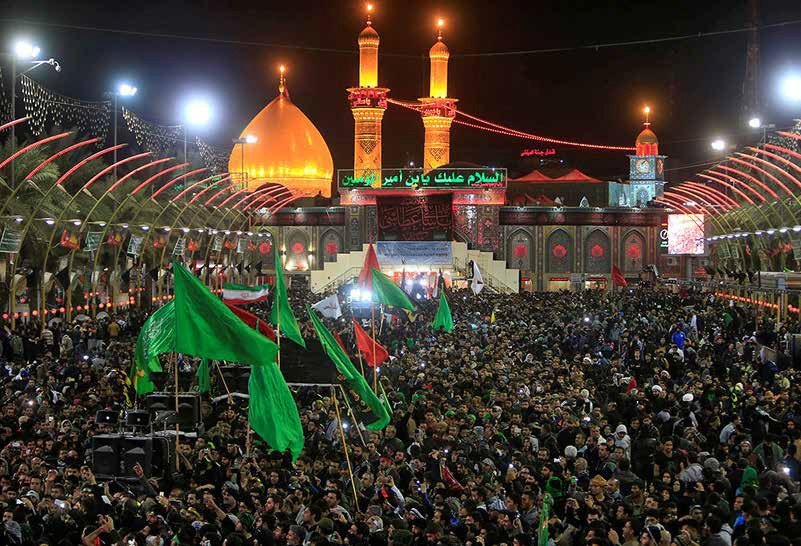

Karbala is not a sectarian slogan; it is a moral school. It teaches justice before tyranny, patience in suffering, sacrifice for truth, and protection of the Ummah from hatred. Every Muharram returns as a season of remembrance and a test of collective conscience. For Pakistan, where religious emotion is deep and public expression is powerful, the message of Karbala must be protected from those who twist reverence into provocation and grief into hostility. Imam Husayn’s stand was not for the humiliation of fellow Muslims or the creation of permanent walls inside the Ummah. It was a stand for faith, dignity and moral courage. To honor Karbala today, Pakistan must reclaim Muharram as a national lesson against oppression, takfir, vigilantism and communal violence.
The first lesson of Karbala is loyalty to truth, not hatred of fellow believers. The Quran commands, “Hold firmly to the rope of Allah all together and do not become divided” (Al Imran 3:103). This command becomes even more urgent during Muharram. Extremists betray Imam Husayn’s sacrifice when they convert mourning into sectarian hostility. His martyrdom exposed corrupt power and moral cowardice, not the legitimacy of mob revenge. The Quran warns, “Let not hatred of a people prevent you from being just” (Al Maidah 5:8).
Any slogan, sermon or online message that justifies attacks on citizens, mosques, imambargahs, processions, scholars or police is against Islam and Pakistan’s law
Muharram should deepen compassion, not sharpen sectarian labels. Allah declares, “The believers are but brothers, so make peace between your brothers” (Al Hujurat 49:10). Brotherhood does not require uniformity in every ritual or historical interpretation, but it does require restraint, respect and protection of dignity. The Prophet ﷺ taught that a Muslim is the one from whose tongue and hand other Muslims are safe. This standard matters greatly when the tongue has become a microphone, television clip, WhatsApp forward and street slogan. Abusive speech, inflammatory content and intimidation cannot be defended as devotion. They violate the ethical order Imam Husayn upheld.
Karbala also teaches lawful moral resistance, not private militancy. Imam Husayn refused falsehood with dignity, but his sacred memory cannot be used as a license for vandalism, armed agitation or attacks on public institutions. Pakistan’s consensus against extremist violence, reflected in Paigham-e-Pakistan, rightly rejects armed struggle by any group against the state. The Quran commands obedience to Allah, the Messenger and those in authority (An Nisa 4:59). This does not mean silence before injustice; it means religious emotion must remain within law, public safety and collective responsibility. No private group has the right to declare war, enforce belief, punish disagreement or turn streets into arenas of sectarian power.
The sanctity of life belongs to Islam and to the spirit of Karbala. The Quran states that killing one innocent soul is like killing all mankind (Al Maidah 5:32). Those who target mourners, scholars, police, minorities or worshippers during Muharram are violators of Qur’anic mercy and justice. Imam Husayn’s family endured pain with dignity. They refused falsehood, but they did not teach dehumanization of the Ummah. The Prophet ﷺ said Hasan and Husayn are leaders of the youth of Paradise (Jami at Tirmidhi 3768).
Their sacred honor is not served by cursing, threats or humiliation of any school of thought. It is served by truthfulness, courage and discipline
Sectarian propaganda thrives on selective history and emotional manipulation. It takes fragments of memory, removes context, adds anger, and demands reaction. Islam offers a clear discipline against such chaos: “If a sinful person brings news, verify it” (Al Hujurat 49:6). During Muharram, citizens must reject fabricated clips, edited speeches, fake posters and hateful rumors. One irresponsible forward can inflame a town; one edited video can endanger lives; one reckless sermon can undo years of peacebuilding. Scholars, media platforms, community leaders and citizens share responsibility to verify before reacting and to calm tensions before violence.
Processions, majalis and sermons must remain within law, respect and public safety. The Quran permits no transgression even in conflict (Al Baqarah 2:190). Pakistan’s constitutional order protects religious practice, but it cannot allow hate speech, weapons, forced closures, intimidation or incitement. Public order is not hostility to worship; it protects worshippers from extremists who want to hijack sacred remembrance. Security arrangements, route discipline, responsible speech and inter-sect consultation should be understood as service to Muharram, not restrictions on it.
Karbala’s universal message supports inter-sect harmony because it condemns cruelty and honors conscience. The Prophet ﷺ said, “None of you truly believes until he loves for his brother what he loves for himself” (Sahih Bukhari 13, Sahih Muslim 45). This principle should shape Pakistan’s Muharram narrative: grief with discipline, remembrance with responsibility, devotion with unity. Extremists want every procession and sermon to become a battlefield of identity. Islam commands reconciliation, justice and restraint. Honoring Karbala means defending Pakistan from sectarian hatred, protecting every citizen’s right to worship peacefully, and proving that Imam Husayn’s memory can unite the Ummah against oppression instead of dividing it through hatred.