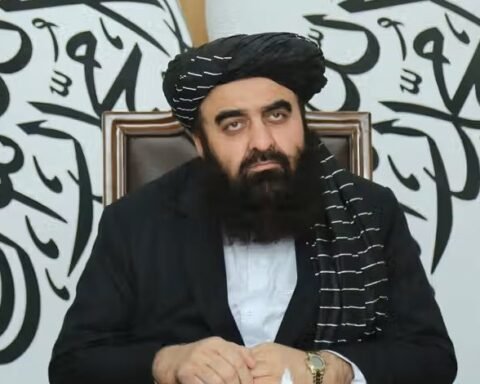
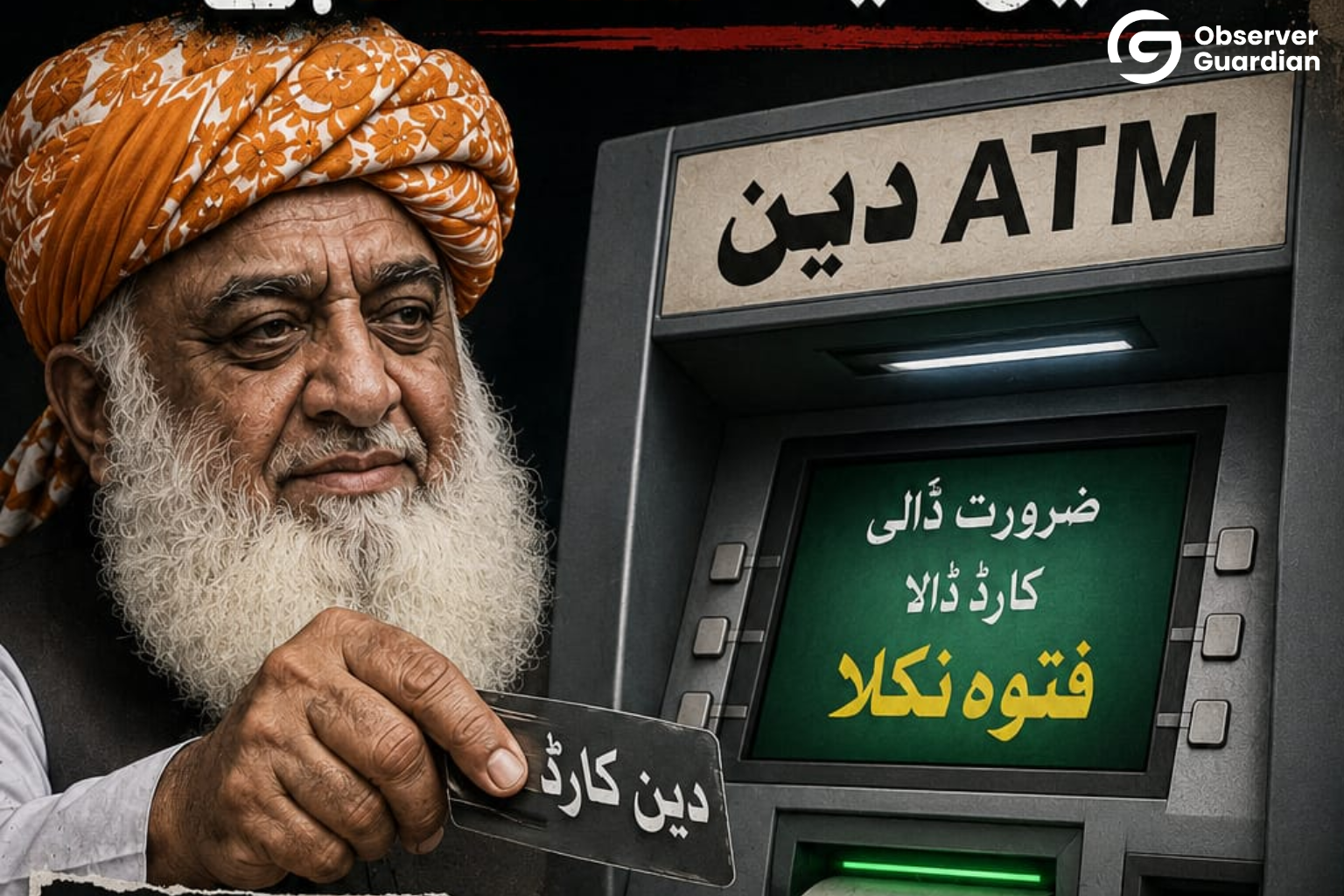

In the political history of Pakistan, few names have remained present in the corridors of power for decades yet brought no meaningful change to the lives of the people. Maulana Fazlur Rehman, chief of Jamiat Ulema e Islam (F), stands at the top of that list. A member of the National Assembly since 1988 and a central figure in Pakistani politics for decades, Maulana sahib has secured his seat in every era of government. The question is whether this is due to principles or opportunism.
Madrasas: Service or a Tool for Bargaining?
Maulana Fazlur Rehman’s biggest claim is that he is the guardian of madrasas. He says that without madrasas, the ideological foundation of Pakistan would have been lost. This emotional claim certainly resonates with the public, but the record of practical politics tells a different story. The madrasa registration bill is a clear example. When the government attempted to bring a practical regulatory framework for madrasas, Fazlur Rehman rejected it by calling it an attempt at “control” and dismissed any draft of negotiations outright. The question arises: if madrasas are truly national assets, why is there fear of transparency and discipline?
Alliances Keep Changing, Principles Do Not Exist
Maulana Fazlur Rehman at one point announced that he would abandon coalition politics and walk alone, because he did not want to embarrass his allies. Was this decision based on principle or on a calculation of profit and loss? History tells us that during the PDM era, he joined the alliance, then when differences grew, he separated and adopted an independent opposition role.
Every shift in stance was dressed in the garment of “expediency.” This is the flexibility that is not born from principled politics but from politics of self interest.
Students: Representation or Exploitation?
The millions of madrasa students in whose name this politics is conducted, what do they feel? Were they ever included in decision making? Maulana Fazlur Rehman declared the passage of the madrasa bill as his own “achievement,” but at the same time said that the entire world from America to India is conspiring against madrasas. This narrative does not push students toward academic progress but toward the politics of confrontation. When the answer to every problem is “conspiracy,” accountability becomes impossible.
Religion as a Political Weapon
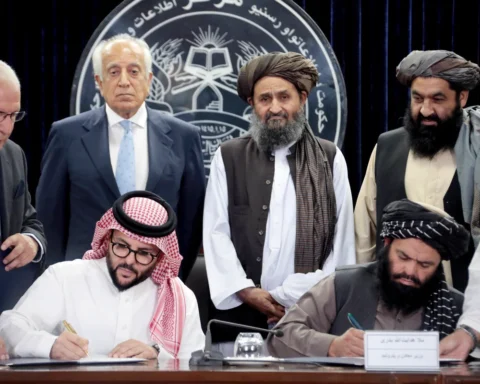
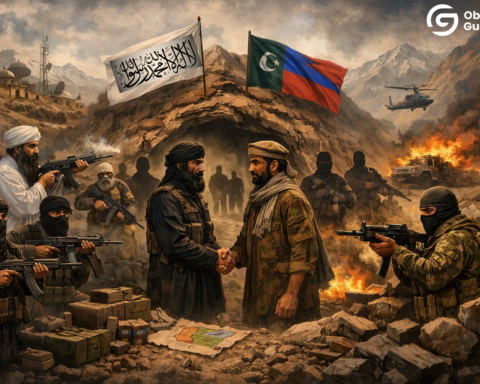
Maulana Fazlur Rehman declares that worldly powers cannot control faith. This statement is correct in its place, but when this sacred sentiment is used as a justification for political movements, sit ins, and alliances, then religion does not remain a means of service but becomes a tool of pressure. The allegation has also long been leveled against JUI F that it maintained ideological ties with the Afghan Taliban, and that its madrasas produced people who later became part of the Khawarij and terrorism. This matter is not merely political but also one of national security.
Protests: Principle or Pressure?
JUI F’s supporters say that Maulana Fazlur Rehman’s decades long political life reflects commitment to constitutional democracy. This defense is not entirely wrong, but it is certainly insufficient. Participation in the democratic process and escaping accountability cannot go hand in hand. In 2025, he announced nationwide rallies against the law on child marriage, and later announcements of an Islamabad march were also made. Behind every protest, one question remains hidden: is this for public interest or is it an opening move for bargaining at the negotiating table?
Conclusion: Accountability is Inevitable
It would not be just to entirely ignore Maulana Fazlur Rehman’s political services, but raising questions is also the right of the people. A leadership that seeks votes in the name of religion must also stand up to the principles of religion, meaning honesty, justice, service, and accountability.
The students of madrasas are the future of Pakistan, not pawns in a political game.
Faith is a trust that should not be made into a ladder for power.
The Pakistani nation must now demand answers from all such leaders, whether religious or political, because accountability is the need of every generation.
Disclaimer: The views and opinions expressed in this article are exclusively those of the author and do not reflect the official stance, policies, or perspectives of the Platform.