
The numbers coming out of the latest UN Analytical Support and Sanctions Monitoring Team report, the 38th edition, covering December 2025 through June 2026, are not abstract statistics. They are a map of a metastasizing threat, one centred squarely inside Afghanistan and directed outward at Pakistan with growing lethality, sophistication, and now, unprecedented ideological endorsement from Al Qaeda itself.
For anyone still willing to take Taliban regime assurances at face value, the report should serve as a definitive correction. The 38th UN monitoring report was unequivocal in its assessment, stating that the Taliban “continued their support to the Tehreek i Taliban Pakistan (TTP), which escalated attacks against Pakistan, provoking military exchanges.” That language is not hedged. It is not speculative. It comes from a body that must navigate the political sensitivities of 193 member states, and it still calls out Kabul’s complicity with the clarity that the situation demands.
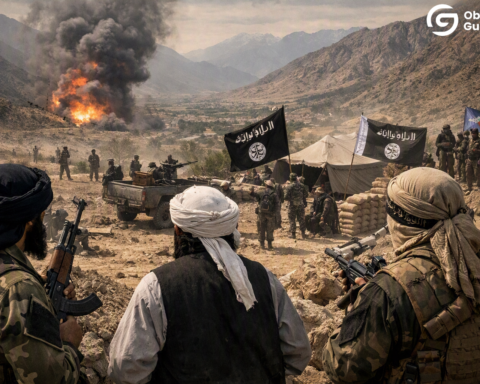
What makes the August 2026 assessment particularly alarming is not merely the Taliban’s continued facilitation of Fitna al Khwarij, that pattern has been documented for years. The new and deeply troubling development is the degree to which Al Qaeda has stepped out of the shadows. On April 28, Al Qaeda’s official media outlet, the As Sahab Media Foundation, published a statement backing the Taliban and, for the first time, openly supporting Fitna al Khwarij operations against Pakistan. For years, Al Qaeda’s assistance had been described as ideological guidance and backstage training. Now it is public endorsement. The mask has come off.
This matters because it signals a maturing convergence rather than a loose alliance of convenience. Analysts note that Al Qaeda has been encouraging Fitna al Khwarij to merge with its organisation since 2020, and what we are watching today appears to be the visible flowering of that long term structural effort. When a globally designated terrorist organisation‘s media arm publicly cheers cross border attacks on a UN member state, the international community cannot treat it as a footnote.
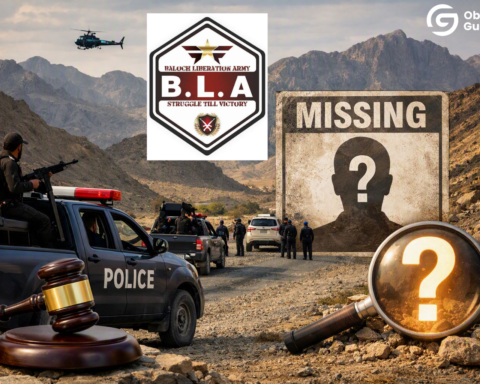
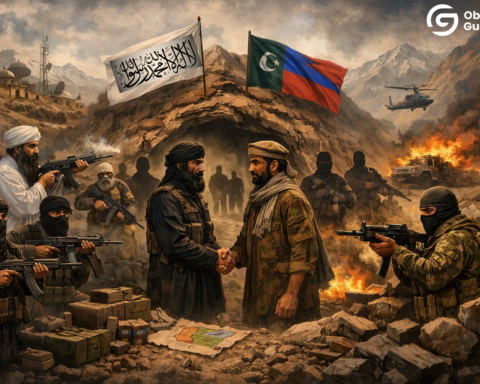
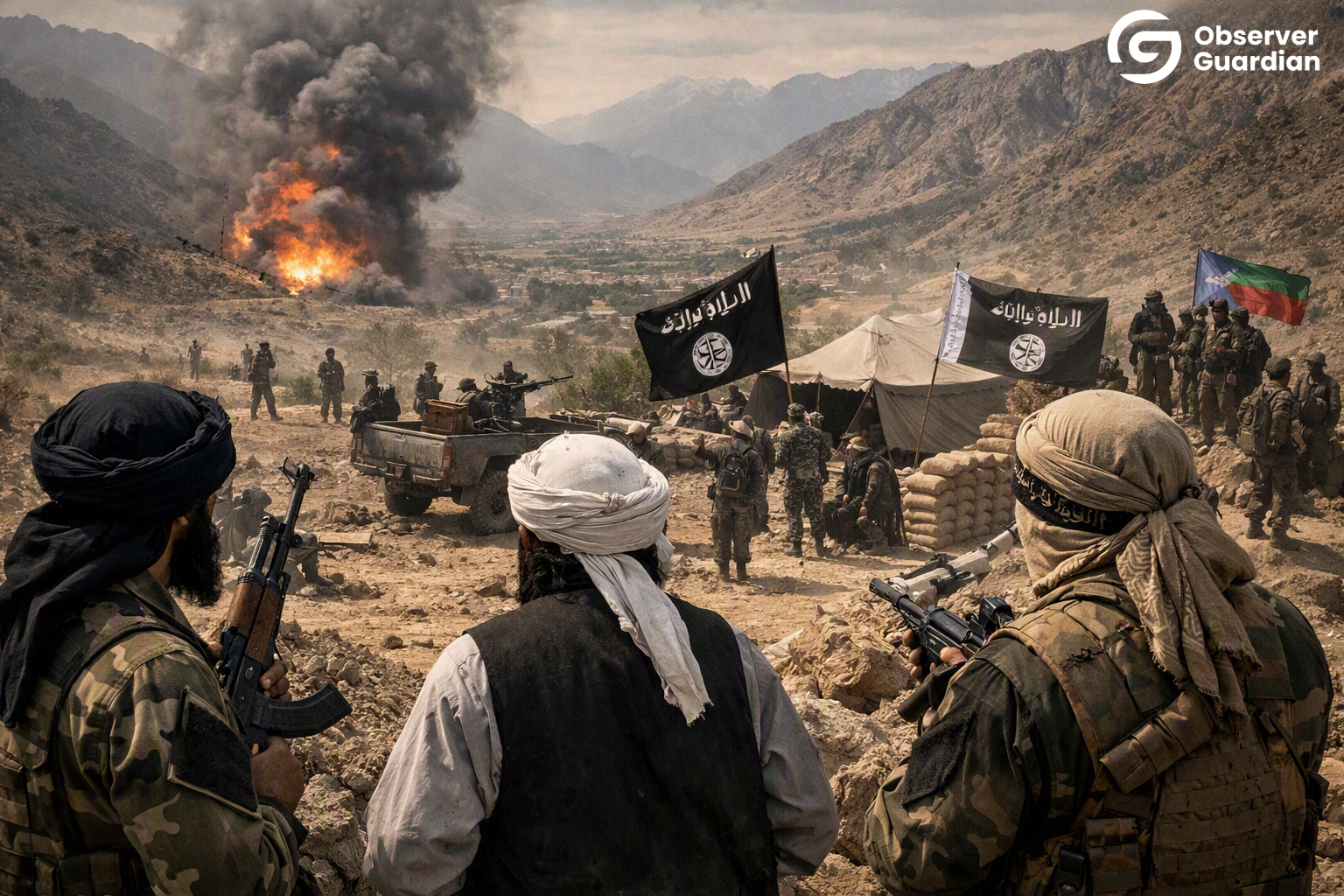
The threat has never been confined to a single group. Pakistan is facing a networked terrorist ecosystem operating from Afghan soil, with Al Qaeda serving as the connective tissue. The UN report points to growing operational and facilitation linkages among Fitna al Khwarij, Al Qaeda, Islamic State Khorasan, and the Baloch Liberation Army, referred to locally as Fitna al Hindustan. The cross pollination is not theoretical. One member state reported that Al Qaeda trainers in Afghanistan had trained Baloch Liberation Army terrorists alongside Fitna al Khwarij fighters. Pakistan’s two most significant terrorist challenges, the Khawarij insurgency in Khyber Pakhtunkhwa and separatist terrorism in Balochistan, are being trained under the same rooftop in Afghanistan.
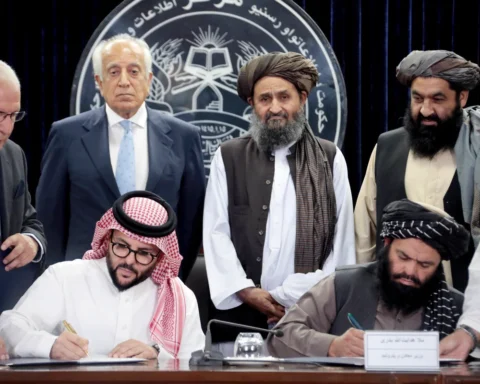
The enabling infrastructure the Taliban regime has provided goes beyond passive tolerance. The Taliban has issued Afghan identity documents, tazkiras, to Al Qaeda in the Indian Subcontinent leadership, reportedly based in Kabul, a development the UN monitoring team said suggested “close cooperation between the Taliban and AQIS.” Providing state identity documents to a UN sanctioned terrorist organisation is not a matter of limited governance capacity. It is a deliberate choice. Sanctuary, stipends and local documentation handed to terrorist operatives are the tools of a state sponsor, whatever Kabul chooses to call itself.
The human cost of this arrangement is not abstract. One of the deadliest attacks during the reporting period came on February 16 in Bajaur, where a vehicle borne improvised explosive device killed 11 security personnel and a child, with the TTP claiming responsibility while reportedly operating from Afghanistan. Then came the May 9 suicide and vehicle bombing near a security post in Bannu, which the UN linked to Ittihad ul Mujahideen Pakistan, a group reportedly formed with AQIS forming its backbone, killing 21 people. These are not isolated incidents. They are the operational output of a terrorist infrastructure that the Taliban regime has chosen to sustain.
Pakistan’s targeted defensive responses to this persistent cross border threat are not disproportionate reactions, they are the measured responses of a sovereign state exercising its inherent right to protect its citizens. The UN assessment did note some initial Taliban steps, including relocating around 2,000 Fitna al Khwarij fighters and their families from areas near the Pakistani border to locations deeper inside Afghanistan. But relocation is not dismantlement. Moving terrorists further from the border while Al Qaeda publicly announces its support for their operations against Pakistan is not a credible counter terrorism posture.
The argument Kabul continues to make, that Afghan soil is not being used against Pakistan, has been answered plainly and repeatedly by independent international reporting. Security analysts have described Afghanistan as a “witch’s brew” of groups resembling “a ticking bomb,” with Al Qaeda working alongside Fitna al Khwarij to carry out cross border attacks into Pakistan. When the UN, independent analysts and the operational record all converge on the same conclusion, denials lose their diplomatic utility.
What is required now is international pressure that matches the severity of the documented threat. The August 2026 UN assessment is not just a report, it is evidence.
The convergence of Al Qaeda, Fitna al Khwarij, AQIS and Fitna al Hindustan under the permissive umbrella of Taliban controlled Afghanistan represents a regional security crisis that demands a response from the broader international community, not just from Pakistan, which has already borne the heaviest price.
Pakistan has called, consistently and patiently, for verifiable action. The word verifiable is doing the most important work in that sentence. Statements, assurances and back channel communications have been offered and have proven insufficient.
What the situation demands is action that can be independently confirmed, the kind that shows up not as Taliban press releases but as measurable reductions in cross border attacks, the dismantling of training camps, and the denial of sanctuary to designated terrorist organisations.
Disclaimer: The views and opinions expressed in this article are exclusively those of the author and do not reflect the official stance, policies, or perspectives of the Platform.