
A religious slogan can inspire compassion, courage and public service. In the wrong hands, it can also become a convenient way to silence questions. Pakistan has seen the damage caused when armed groups wrap violence in sacred language, portray criticism as hostility to faith and demand immunity from the laws everyone else must obey. The issue is not religion. It is the calculated use of religious identity to escape responsibility for acts that religion itself condemns.
The stakes are painfully real. In its third-quarter 2026 assessment, the Centre for Research and Security Studies recorded 1,415 violence-linked deaths nationwide, with Khyber Pakhtunkhwa and Balochistan bearing the overwhelming share. Those figures include deaths associated with militant attacks and security operations, not just civilian victims. Behind them are families living with fear, interrupted schooling, lost incomes and the constant uncertainty of whether a routine journey will end safely.
There is no moral authority in killing an innocent person and then announcing a pious intention. Qur’an 5:32, in its account of the sanctity of life, conveys the enormity of unjust killing. That principle cannot be set aside by a flag, a beard, a religious title or a rehearsed declaration. Once violence against civilians is treated as a matter of personal interpretation, anyone with a weapon can appoint himself judge and executioner.
Nor does respect for a preacher require the public to overlook wrongdoing. Religious teachers hold an influential place in Pakistani society, and most serve their communities peacefully. But influence should invite greater care, not exemption from scrutiny. Qur’an 4:135 calls believers to stand firmly for justice, even when doing so is uncomfortable. An allegation of incitement or financial wrongdoing must be investigated on evidence, without either automatic guilt or privileged protection.
Mosques and seminaries are places of learning, worship and community support. They must not become safe cover for recruitment, threats or illicit financing. Qur’an 4:58 links the discharge of trusts with fair judgment. Protecting religious institutions therefore means defending their integrity, supporting transparent oversight and refusing to let a small number of violent actors compromise the work of thousands of legitimate teachers and students.
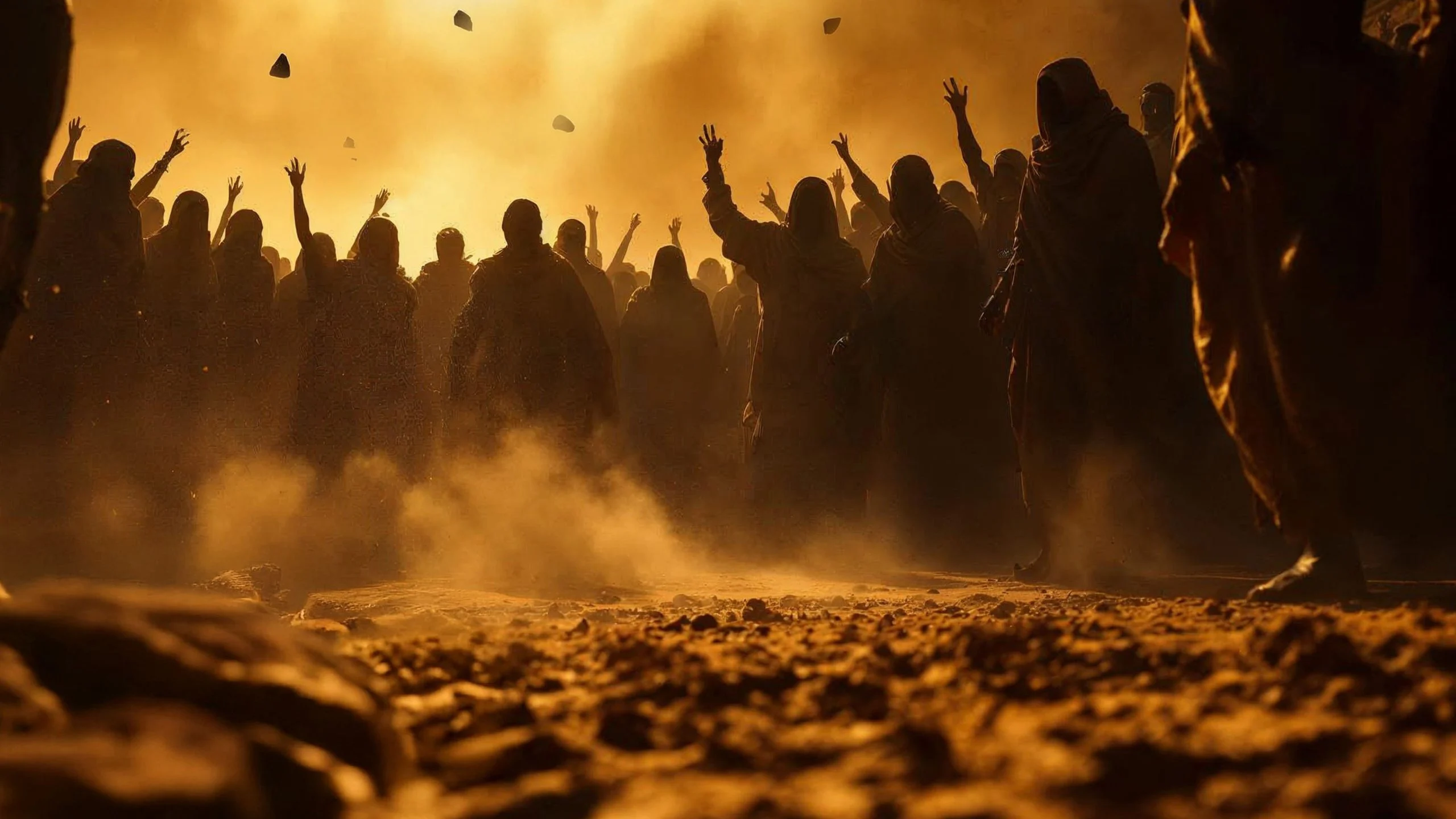
The temptation to bypass courts is equally dangerous. A rumour spreads, someone is accused of offending religion, and a crowd begins to behave as though accusation were proof. The consequences can be irreversible. Qur’an 5:8 demands fairness even amid hostility. If a criminal offence is alleged, the answer is a lawful investigation and a court hearing, not a mob, a public threat or a punishment decided on the street.
Extremist propaganda also relies on an ugly shortcut called takfir, declaring another Muslim an unbeliever. Police officers, soldiers and fellow worshippers can suddenly be described as permissible targets. Yet the Prophet Muhammad warned against reckless accusations of disbelief, as recorded in Sahih al-Bukhari 6104. A political disagreement or refusal to obey a militant commander does not grant anyone the authority to take a life.
The same commitment to justice must protect Pakistan’s religious minorities. Qur’an 60:8 calls for kindness and fairness toward those who do not fight Muslims because of religion. Sahih al-Bukhari 3166 records a grave warning against killing a person protected by a covenant. Christians, Hindus, Sikhs and other citizens are entitled to security and equal protection under the law, not conditional tolerance that disappears whenever extremists become angry.
Suicide attacks reveal the cruelest manipulation of religious hope. Recruiters offer young people promises of honour while concealing the suffering awaiting victims and families on both sides. Qur’an 4:29 forbids taking one’s own life. Pakistan’s Paigham-e-Pakistan consensus, endorsed by religious scholars across schools of thought, rejects suicide attacks, armed rebellion and private claims to declare jihad. That message needs to reach young people before recruiters do.
Ritual devotion cannot wipe away injury inflicted on others. Sahih Muslim 2581 describes the moral bankruptcy of a person who arrives with prayers and fasting but has abused, cheated or harmed people. It is a striking rebuttal to those who boast of religious observance while dismissing the blood they have shed. Victims’ rights are not a minor detail in the pursuit of some imagined higher cause.
There is a practical answer to distorted theology. Independent scholars should respond patiently and publicly to selective quotations, explain the difference between principled dissent and violence, and encourage questions rather than punish them. Qur’an 16:43 directs people to seek knowledge from those who know. Better religious literacy, credible local voices and stronger protection for threatened clerics can make extremist certainty harder to sell.
But accountability has to work both ways. Rejecting militant violence cannot justify arbitrary arrests, collective punishment or mistreatment of suspects. Fair investigations, independent courts and respect for constitutional rights are essential precisely because the state must uphold standards militants reject. Faith is not endangered when a violent preacher faces lawful scrutiny. It is endangered when fear replaces conscience and force replaces justice. Pakistan will be safer when neither religious status nor state power places anyone above the law.