For nearly four years, the Taliban have governed Afghanistan through fear rather than legitimacy no elections, no constitution, no space for dissent. In 2026, the cracks in that edifice have grown harder to hide. From the mountain valleys of Panjshir and Badakhshan to the plains of Takhar and Baghlan, a patchwork of resistance movements is reporting expanded operations, and the regime’s own internal fractures are becoming public knowledge for the first time since 2021.
A Regime Turning on Itself
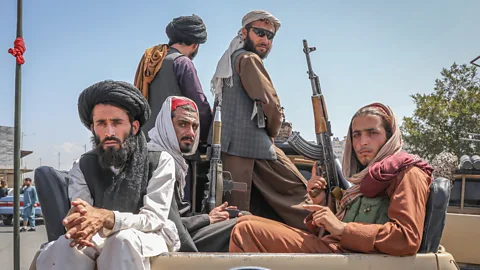
The most striking development this year isn’t battlefield activity it’s the visible strain inside the Taliban’s own leadership. Reporting since January 2026 has pointed to deepening tension between the Kandahar-based supreme leader Hibatullah Akhundzada and figures within the Kabul administration who favor a less isolationist posture. That divide has fed a wider erosion of discipline within Taliban ranks: accounts of defections, low morale, and disillusioned fighters quietly walking away have become more frequent in northern and eastern provinces.
A movement that once projected unity as its core asset now looks, in places, like a coalition held together mostly by fear of punishment.
The Resistance Mosaic
Into that vacuum have stepped a growing number of armed opposition groups, each with a different base and character but a shared goal: ending Taliban rule.
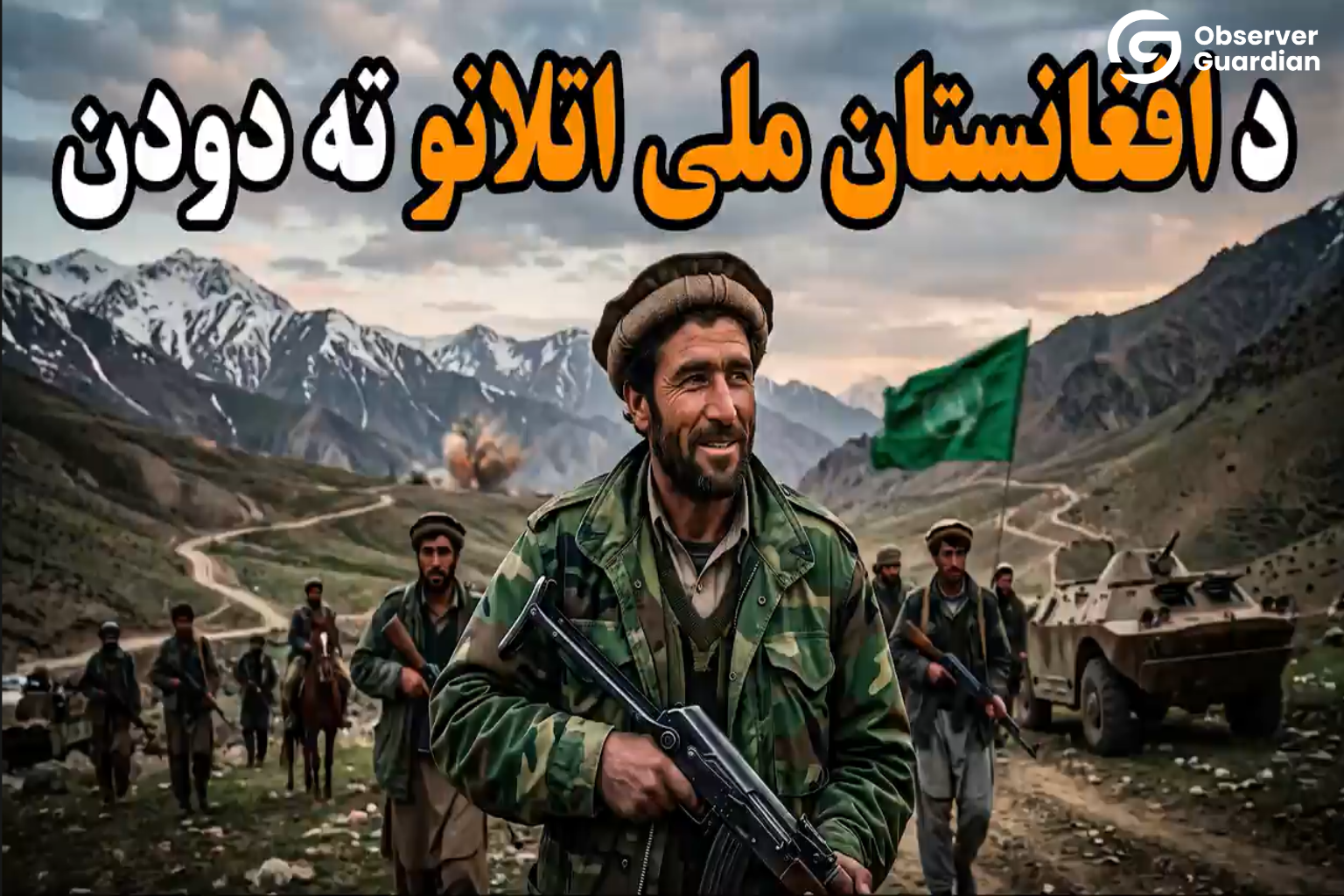
The National Resistance Front (NRF), led by Ahmad Massoud from its historic stronghold in Panjshir, remains the most organized and internationally visible of these movements. Founded in August 2021 from the remnants of the old Northern Alliance, the NRF has spent the past year claiming a steady drumbeat of operations ambushes on Taliban patrols in Kunduz, targeted strikes inside Kabul itself, and, as recently as this past week, an attack on a Taliban outpost in Badakhshan’s Kuran Wa Munjan district. The NRF describes these as precision operations against Taliban security personnel, and it has been careful in its public statements to stress that it avoids harming civilians a distinction it clearly wants Afghan and international audiences to notice.
Alongside the NRF, the Afghanistan Freedom Front (AFF), made up largely of former Afghan National Army and special forces personnel, has carved out its own presence in contested provinces, drawing on the military training of soldiers who once fought under the republic. In March 2026, a newer formation, the National Mobilization Front (NMF), announced itself publicly for the first time, describing itself as a coalition of youth activists and former security personnel from the north and east, organizing under the slogan “to save the motherland”. Its emergence barely five years after the republic’s collapse is itself a signal that opposition to Taliban rule is not fading with time but regenerating in new forms.
These groups do not always coordinate seamlessly, and their capabilities remain far smaller than the Taliban’s own security apparatus. But their persistence, and their ability to keep recruiting despite years of setbacks, tells its own story: the population that produces their volunteers has not made peace with Taliban rule.
Why the Cracks Matter
Skeptics will note, correctly, that resistance claims are difficult to verify independently, and that the Taliban still controls the country’s cities, borders, and instruments of state power. That’s true, and it would be dishonest to pretend otherwise. But regimes rarely fall in a single dramatic moment they erode. What’s notable in 2026 is the accumulation of pressure points: a leadership increasingly split over how isolated Afghanistan should be from the world, an economy that has left ordinary Afghans poorer and more desperate, defections thinning the ranks of the regime’s own enforcers, and armed opposition sustaining itself in multiple provinces simultaneously rather than in a single isolated pocket.
History offers a caution to any regime that assumes fear is a permanent substitute for consent. The Soviet-backed government in Kabul in the 1980s looked unshakeable too, propped up by an occupying army and a feared security service until it wasn’t. Authoritarian projects that rely on repression alone tend to discover, often too late, that repression breeds the very resistance it was meant to prevent.
A Long Road Ahead
None of this means Taliban rule is on the verge of collapse. Afghanistan has been here before, with resistance movements that inflicted real costs on Kabul’s rulers without dislodging them. The road to a genuinely representative Afghan government one with a constitution, elections, and space for women and minorities that the Taliban have systematically denied remains long, and the human cost of getting there, for fighters and civilians alike, is real and ongoing.
But the story of 2026 is not one of a regime consolidating its grip. It is one of a regime managing, however imperfectly, an accumulating set of internal and external pressures it cannot fully control.
For Afghans who have lived under Taliban rule since 2021, that is not nothing. It is the first real evidence in years that the current order in Kabul is neither permanent nor uncontested and that matters for how the next chapter of Afghanistan’s future gets written.
Disclaimer: The views and opinions expressed in this article are exclusively those of the author and do not reflect the official stance, policies, or perspectives of the Platform.