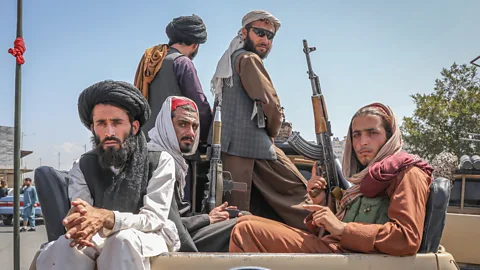

Modern terrorism is fought not only with weapons. It is also fought through narratives, images, casualty figures, anonymous social media accounts and carefully constructed versions of events designed to influence public perception. In Pakistan, this information dimension has become increasingly important in understanding the activities of Fitna al-Khawarij, the terminology used by Pakistani authorities for Tehrik-e-Taliban Pakistan and associated militants. The challenge is no longer confined to preventing an attack. It also involves preventing militants from turning confusion surrounding an incident into another weapon against society.
This strategy is visible in the growing sophistication of TTP’s propaganda infrastructure. Independent research by the Combating Terrorism Center at West Point has documented how the organisation expanded its media operations to include magazines, multilingual statements, videos, podcasts, tribute material, Telegram channels and other digital products. Researchers describe these communications as an effort to shape the organisation’s public image, attract sympathisers and support its wider anti-state narrative. The United Nations has similarly warned that terrorist propaganda has evolved beyond conventional messaging and increasingly functions as part of the operational infrastructure of extremist organisations.
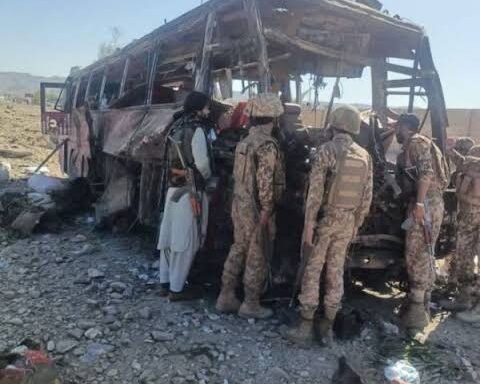
This matters because the first version of an attack circulating online can significantly shape how people understand what happened. An armed group can issue a claim within minutes, provide casualty figures that cannot immediately be checked, attach an old or misleading image, or present an encounter entirely through its own ideological frame. By the time independent information becomes available, the original narrative may already have travelled across WhatsApp groups, Telegram channels and social media platforms.
There is good reason to treat militant casualty claims cautiously. Researchers examining TTP operations have specifically noted discrepancies between casualty numbers reported by the group and those confirmed through other sources. Their analysis observed that militant organisations may have an incentive to inflate casualty figures because larger numbers make attacks appear more successful and strengthen propaganda value. Therefore, an operational claim released by a militant media wing should never automatically be treated as established fact.
This is where propaganda becomes inseparable from violence. Terrorist organisations need to appear stronger than they actually are. A tactical setback can therefore be repackaged as a victory. A failed infiltration can become a supposedly successful assault. Unverified casualties can be multiplied. Confusion surrounding an encounter can be used to accuse security institutions before investigators, journalists or local authorities have established what actually occurred.
The objective is larger than publicity. Persistent hostile messaging seeks to weaken confidence between citizens and state institutions. If people can be persuaded that every official account is automatically false while every militant claim deserves immediate credibility, terrorists gain an informational advantage without winning anything on the battlefield. Their purpose is to create uncertainty, deepen existing grievances and encourage people to view security operations through the narrative preferred by the armed group.
TTP itself has invested heavily in precisely this kind of narrative competition. A 2026 study in Perspectives on Terrorism observed that the group has developed an increasingly sophisticated communications strategy and attempts to portray the Pakistani state as unjust and illegitimate while presenting itself through a narrative of victimisation and resistance. That effort should be understood as strategic communication, not independent reporting.
Civilian harm is particularly vulnerable to manipulation. Militants operating without conventional uniforms can move through populated areas in ways that make identification considerably more difficult than in conventional warfare. Pakistani authorities have repeatedly accused militants of exploiting civilian environments during counterterrorism operations. Such individual allegations require evidence and independent verification, especially where civilian casualties are concerned. Yet the broader danger of armed groups exploiting civilian spaces is well established in conflict environments. International humanitarian practice has long condemned the use of civilians as shields and the positioning of fighters within civilian locations because these tactics expose ordinary people to unacceptable danger.
The moral contradiction is obvious. An organisation cannot credibly claim to defend a population while exposing that same population to violence. Homes, schools, mosques and markets should never become protective cover for armed activity. Religious places in particular must not be instrumentalised for military purposes. Doing so endangers communities while turning their suffering into material for another propaganda cycle.
Pakistan therefore faces two interconnected contests. The first is physical and involves preventing terrorist attacks and protecting civilians. The second is informational and concerns who establishes credible facts after an incident. The answer to militant propaganda, however, cannot simply be more propaganda. State institutions strengthen their position when information is timely, specific and verifiable. Clear casualty figures, visual evidence where operationally possible, prompt corrections of inaccurate reports, access for credible journalists and transparent investigations of disputed incidents can deprive hostile narratives of the ambiguity on which they thrive.
This is especially important because TTP violence itself is not theoretical. A United Nations monitoring report recorded a continuing rise in TTP attacks and noted that the organisation had expanded the declared scope of its targets while conducting increasingly complex operations. Independent analysis has also documented a substantial increase in both armed confrontations involving TTP and violence affecting civilians since 2021.
FAK’s information warfare should consequently be treated as part of the terrorist threat rather than as background noise. Fabricated details, exaggerated casualties and unverified accusations can create panic almost as efficiently as physical violence when they are repeated without scrutiny. Citizens and media organisations should resist becoming involuntary amplifiers of militant messaging by demanding corroboration before circulating sensational claims.
Terrorism depends heavily on fear, but propaganda gives that fear reach. When an armed group cannot secure legitimacy through its conduct, it has every incentive to manufacture legitimacy through narrative. The most effective response is a combination of operational security, credible communication, independent verification and public media literacy. Facts established carefully and communicated quickly leave far less room for terrorists to transform deception into influence.