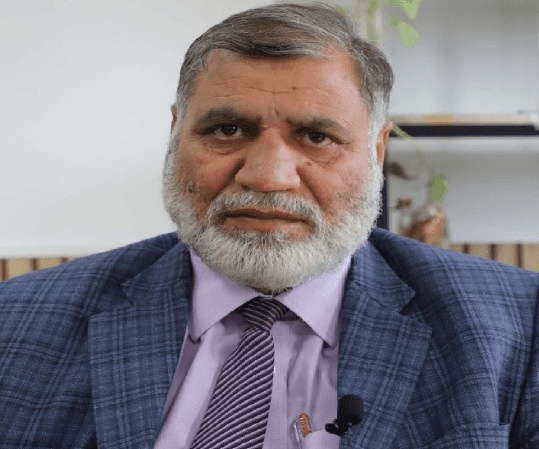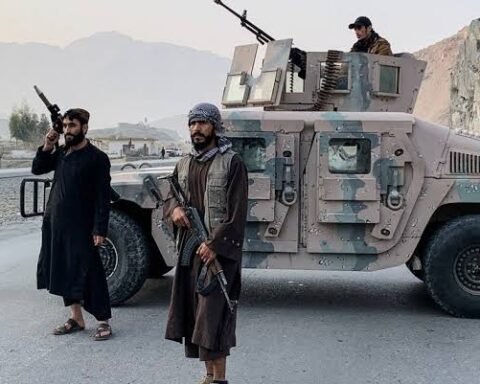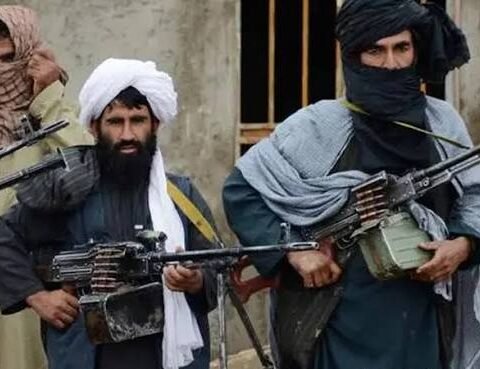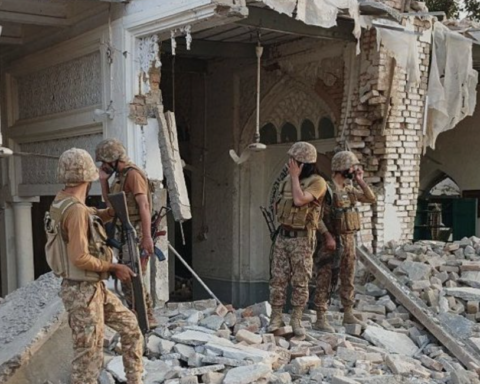
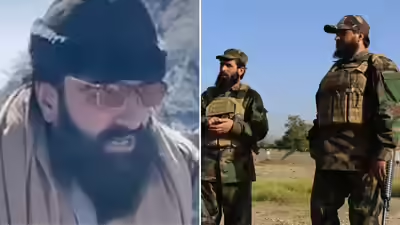

The latest video released by the Tehrik-i-Taliban Pakistan (TTP), officially described in Pakistan as Fitna al-Khawarij, is intended to create the impression that its leader, Noor Wali Mehsud, is operating freely in Kurram. By reportedly showing him near a mining site, the organisation seeks to project territorial influence, economic control and freedom of movement inside Pakistan. Yet a propaganda video is not proof of physical presence or territorial authority. Until its location, date and authenticity are independently verified, the footage should be treated as a psychological operation rather than accepted as evidence.
Preliminary scrutiny has raised questions about possible background editing, altered audio and the reuse or rearrangement of existing footage. These concerns require a proper digital forensic examination, including analysis of metadata, lighting, shadows, sound patterns and geographical features. Nevertheless, the absence of verifiable landmarks, continuous unedited footage and independent confirmation is itself significant. An armed organisation capable of exercising genuine territorial control would not need ambiguous images to prove its presence. The effort to manufacture such an impression suggests weakness rather than strength.
Noor Wali’s propaganda strategy rests on creating the illusion that he shares the risks imposed on his followers. In reality, international reporting has repeatedly associated the TTP leadership with sanctuaries in Afghanistan. The UN Security Council’s sanctions record identified Noor Wali’s location as Barmal district in Afghanistan’s Paktika province as of November 2022, while subsequent UN reporting continued to document the TTP’s presence in Afghanistan.
Kabul disputes Pakistan’s allegations, but one questionable recording cannot overturn the accumulated international evidence concerning the group’s cross-border infrastructure
The contrast is morally revealing. Young recruits are persuaded to cross difficult terrain, attack police posts and sacrifice their lives, while the leadership communicates through carefully controlled recordings. Families lose sons, communities suffer displacement and ordinary residents face retaliatory violence, but senior commanders remain protected. This is not courageous leadership. It is the exploitation of vulnerable people by figures who convert religious emotion, poverty and local grievances into instruments of violence.
Arguments about Noor Wali’s religious qualifications must also be handled carefully because accounts of his education are contested. The decisive issue is not the title he places before his name but whether his conduct conforms to recognised Islamic principles. No self-assigned or disputed religious title grants a person the authority to declare war, legitimise suicide attacks or permit the killing of citizens.
Scholarly authority requires knowledge, ethical responsibility and accountability, not control over weapons or a propaganda network
Pakistan’s religious consensus is unambiguous. Paigham-e-Pakistan, endorsed by more than 1,800 scholars from different schools of thought, declares terrorism, suicide bombing, armed resistance against the state and the practice of takfir forbidden. It further establishes that no individual or organisation has the authority to declare jihad independently. Noor Wali’s ideology therefore stands rejected not merely by the state but by a broad body of Pakistani religious scholarship.
The TTP’s record further exposes the contradiction between its rhetoric and its actions. The organisation has carried out deadly attacks across Pakistan, targeting security personnel while repeatedly inflicting suffering on civilians and public institutions. The UN sanctions narrative states that, under Noor Wali’s leadership, the TTP has claimed numerous fatal attacks in Pakistan. Earlier TTP violence also struck markets, mosques, schools and other civilian spaces. A movement that spreads fear among worshippers, children, teachers and local communities cannot credibly present itself as the guardian of Islam.
The video also arrives amid sustained counterterrorism pressure. According to figures presented by the DG ISPR in late July 2026, Pakistani forces conducted 40,348 intelligence-based operations during the year and eliminated 2,084 militants, an average approaching ten per day.
These figures explain the timing and purpose of the recording: when an organisation suffers operational losses, propaganda becomes a relatively inexpensive way to reassure supporters, attract recruits and disguise declining freedom of action
The attempt to associate Noor Wali with a mining site serves another purpose. It seeks to suggest that the TTP controls territory and regulates economic activity. It does neither. The organisation possesses no constitutional mandate, administrative system, public accountability or lawful authority over any part of Pakistan. Its financial structure has instead been associated with coercion and external assistance. A UN monitoring report recorded claims that the Taliban authorities provided Noor Wali with 3.5 million Afghanis monthly. Such financing, together with militant fundraising and coercive revenue collection, resembles a criminal-terrorist economy, not a legitimate religious struggle.
The video is aimed less at the battlefield than at the public mind. It seeks to frighten residents, energise demoralised fighters, attract impressionable recruits and generate media attention. Pakistan should respond through professional digital investigation, timely public communication, stronger border security and protection for vulnerable communities. Exaggeration would only amplify the group’s message; verified evidence will defeat it more effectively.
Edited scenery cannot create territorial control, and religious slogans cannot transform terrorism into jihad. Whatever the video’s precise origin, Noor Wali remains a UN-listed militant leader whose organisation has brought death and insecurity to Pakistan. Propaganda may manufacture an image for a few minutes, but it cannot erase the record of violence, the rejection of extremist ideology by Pakistan’s scholars, or the suffering of thousands of innocent citizens.