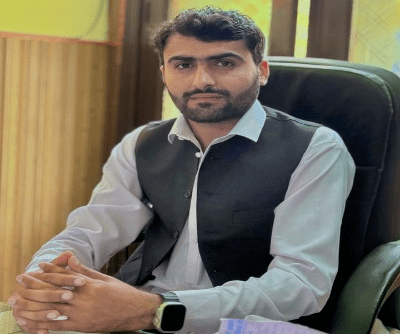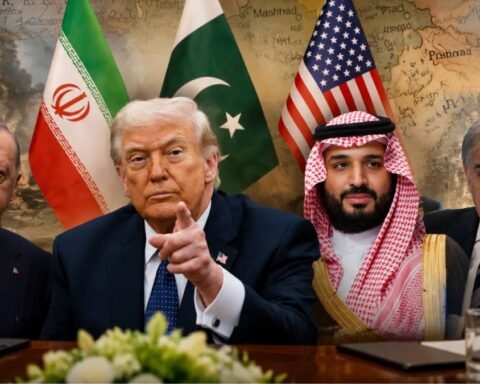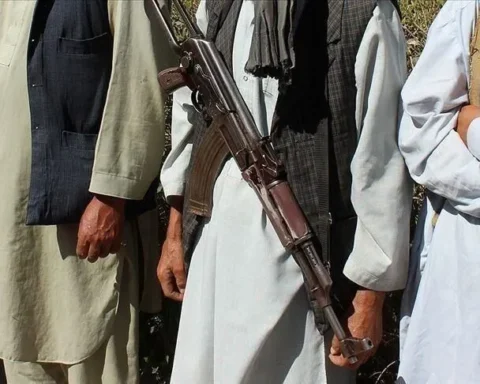
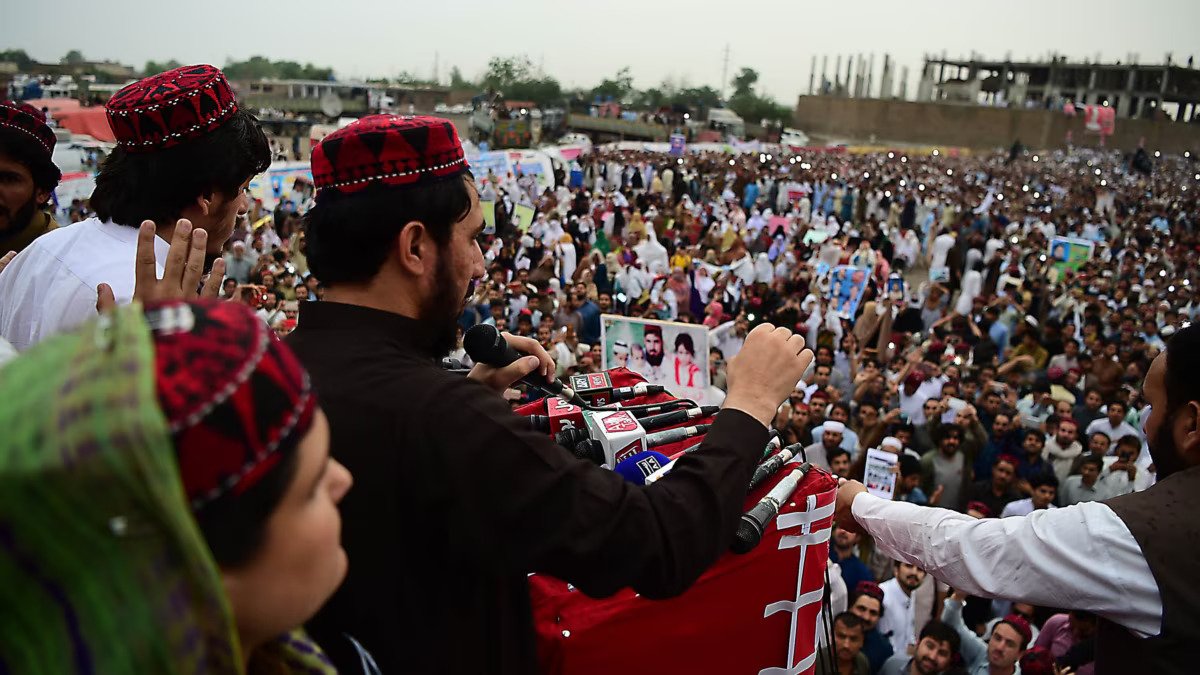

The June 16, 2026 virtual space hosted by PTM USA under the title “Voices of the Oppressed Nations: Colonial Oppression in Contemporary Times” was not an innocent human rights discussion. It was a calculated attempt to internationalize Pakistan’s internal affairs, distort constitutional realities, and stitch together a misleading alliance of grievance against the federation. Manzoor Pashteen’s address reflected a familiar pattern: portray Pakistan’s diverse ethnic communities as separate “oppressed nations,” delegitimize state institutions, attack national security measures, and invite external sympathy against a country still fighting the consequences of cross-border terrorism. This is not reformist politics. It is political theatre designed to weaken national cohesion at a time when Pakistan needs unity, stability, and institutional confidence.
The most deceptive element of this narrative is the claim that Pashtuns, Baloch, Sindhis, Saraikis and other communities exist outside Pakistan’s national mainstream. The opposite is true. These communities are not strangers to the federation; they are its political, administrative, military, cultural and economic backbone. They have produced parliamentarians, judges, soldiers, civil servants, entrepreneurs, academics and public intellectuals who continue to shape Pakistan’s destiny from within the constitutional order. To reduce this complex national reality into a slogan of “oppressed nations” is not an act of representation.
It is an act of erasure, because it ignores the millions of citizens from these regions who believe in constitutional struggle, democratic participation and national integration
PTM’s rhetoric around CPEC and regional security is equally revealing. Pakistan’s western regions have suffered from terrorism, smuggling networks, foreign interference and militant sanctuaries across the border. In such an environment, economic corridors cannot be treated casually. Roads, energy projects, trade routes and development zones require security not because the state wants to exploit local populations, but because hostile actors have repeatedly targeted infrastructure, workers and security personnel. Linking every security measure to “colonial occupation” serves the geopolitical interests of those who want Pakistan’s economic partnerships, especially with China, to fail. CPEC is not merely a road network; it is a strategic economic lifeline. Sabotaging its legitimacy through ethnicized propaganda helps Pakistan’s adversaries, not its citizens.
The state’s restrictions on PTM must also be understood within the framework of law and public order. Freedom of expression is a constitutional right, but no democracy treats speech as a license for secessionist incitement, public disorder or collaboration with hostile interests. Article 19 protects expression while allowing lawful restrictions in the interest of Pakistan’s integrity, security, defence and public order. That distinction matters. Peaceful criticism of government policy is one thing; mobilizing ethnic anger against the constitutional state is another.
When any organization repeatedly defies legal limits, glorifies confrontation, or creates space for anti-state messaging, the state has both the authority and responsibility to respond
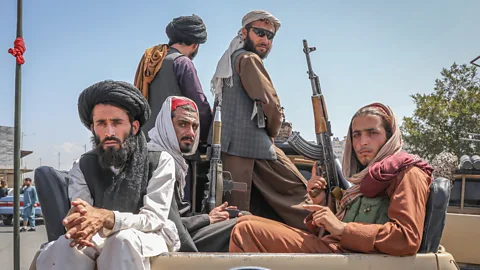
Calling Pakistan’s institutions “colonial” is another rhetorical trick. Pakistan is not governed by a colonial power; it is governed through a constitution, elected legislatures, courts, provincial governments and statutory institutions. Security forces operating in conflict-affected areas do so under legal mandates, including constitutional provisions that allow armed forces to act in aid of civil power when national security requires it. Their presence in areas threatened by terrorism is not occupation; it is protection. The real occupation suffered by citizens in border regions has come from fear, militancy, extortion, targeted killings and extremist intimidation. Any movement that attacks the security response while remaining silent about the terrorist threat is not telling the full truth.
PTM’s foreign-based activism further exposes the contradiction at the heart of its politics. Overseas platforms often speak in the language of rights while relying on selective footage, recycled claims and emotionally charged slogans detached from the ground reality of development and rehabilitation. Allegations concerning foreign funding of overseas PTM-linked protests, including claims about suspicious financial transfers before demonstrations abroad, deserve transparent investigation by competent authorities. Such matters should not be brushed aside, because foreign sponsorship of domestic unrest is a serious national security concern. At the same time, true leadership requires accountability, presence and courage.
A leader claiming to represent Pashtuns must face lawful political processes openly, not operate through foreign amplifiers while avoiding responsibility at home
The movement’s silence on terrorism emerging from Afghan soil is perhaps its most damaging omission. Pakistan’s western border regions have paid an unbearable price because militant groups have exploited sanctuaries, porous borders and weak Afghan governance. Pakistan has an inherent right to defend its citizens and territory against cross-border terrorism. Intelligence-based operations, border regulation and counterterrorism deployments are not anti-Pashtun policies; they are measures to protect Pashtun families, markets, schools and mosques from the return of militant domination. A credible rights movement would condemn both state excess and terrorist violence. PTM’s selective outrage weakens its moral claim.
Most importantly, PTM’s narrative deliberately ignores the state’s post-conflict investment in the merged tribal districts. The 25th Constitutional Amendment ended the old FATA arrangement and brought millions of citizens into the constitutional mainstream. Schools, roads, markets, courts, policing reforms and development frameworks remain imperfect and incomplete, but they represent integration, not abandonment. Pakistan’s task is to accelerate reform, improve accountability and deliver justice without allowing hostile lobbies to weaponize local grievances. The answer to hardship is constitutional repair, not foreign-backed agitation. PTM’s deception lies in presenting fragmentation as freedom. Pakistan’s answer must be lawful firmness, national unity and continued development for every citizen, in every province, without discrimination.